Last updated November 22, 2026
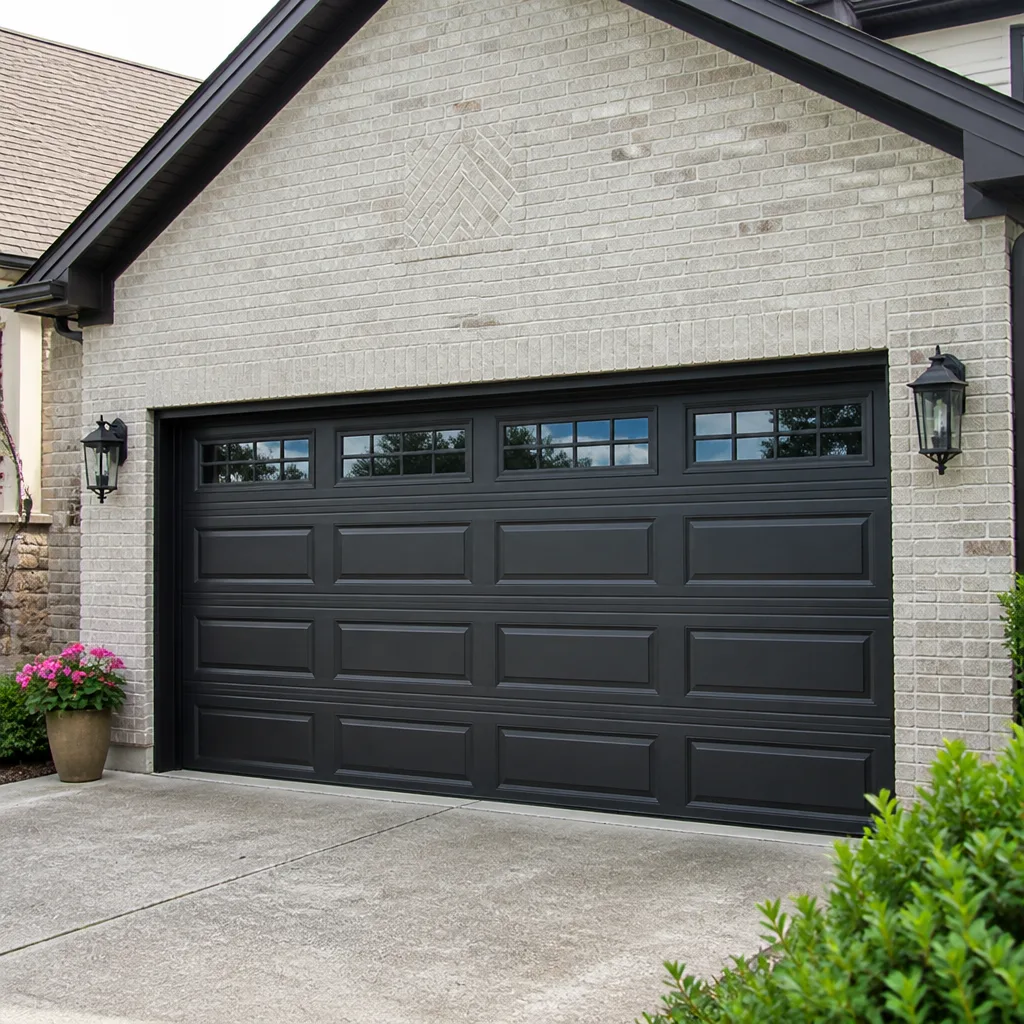 Raised-panel steel
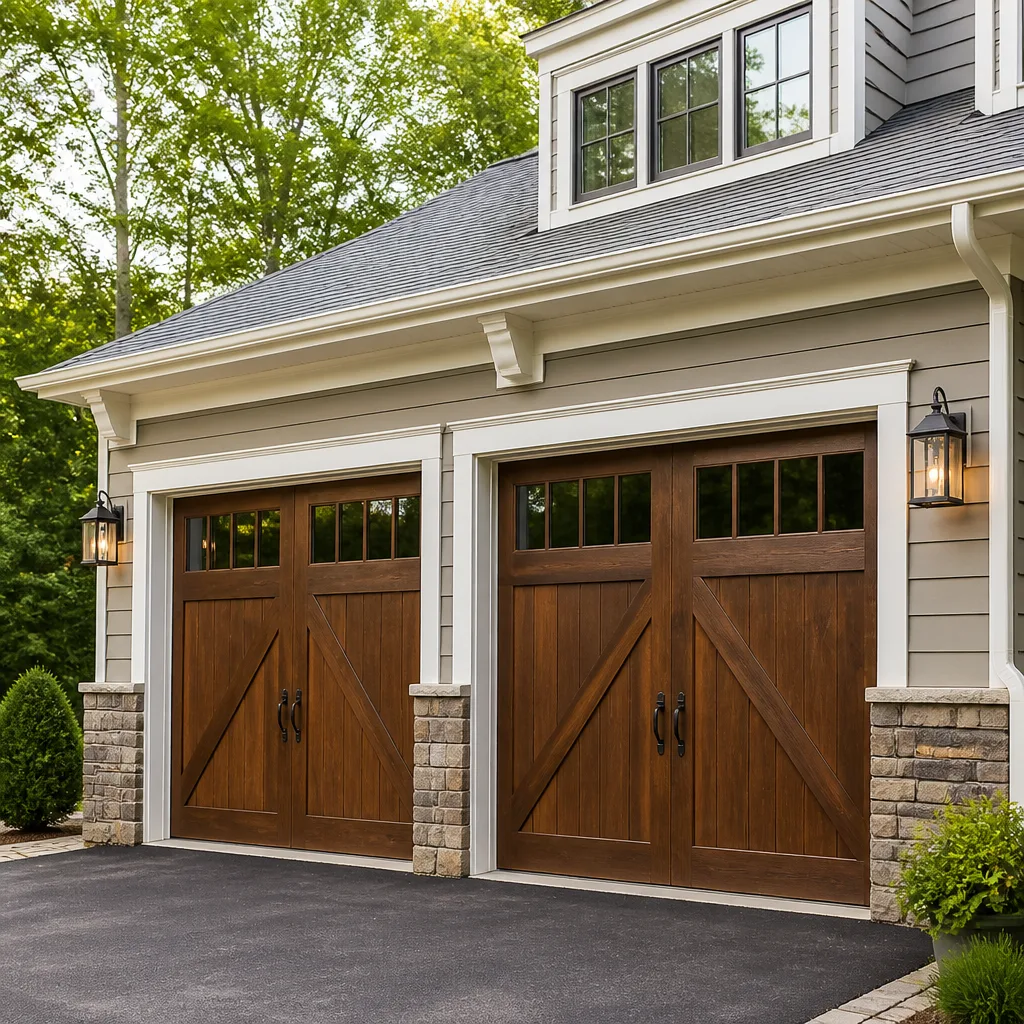 Carriage house
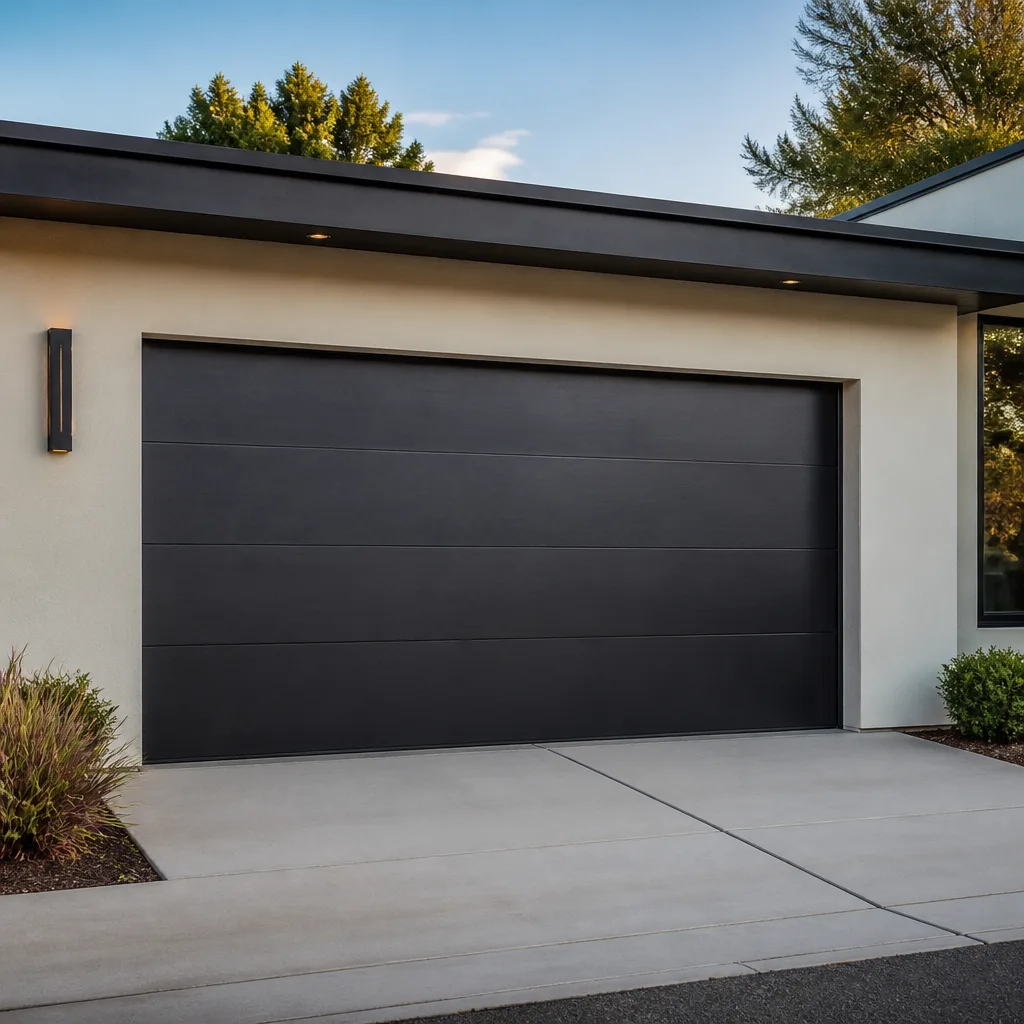 Modern flush
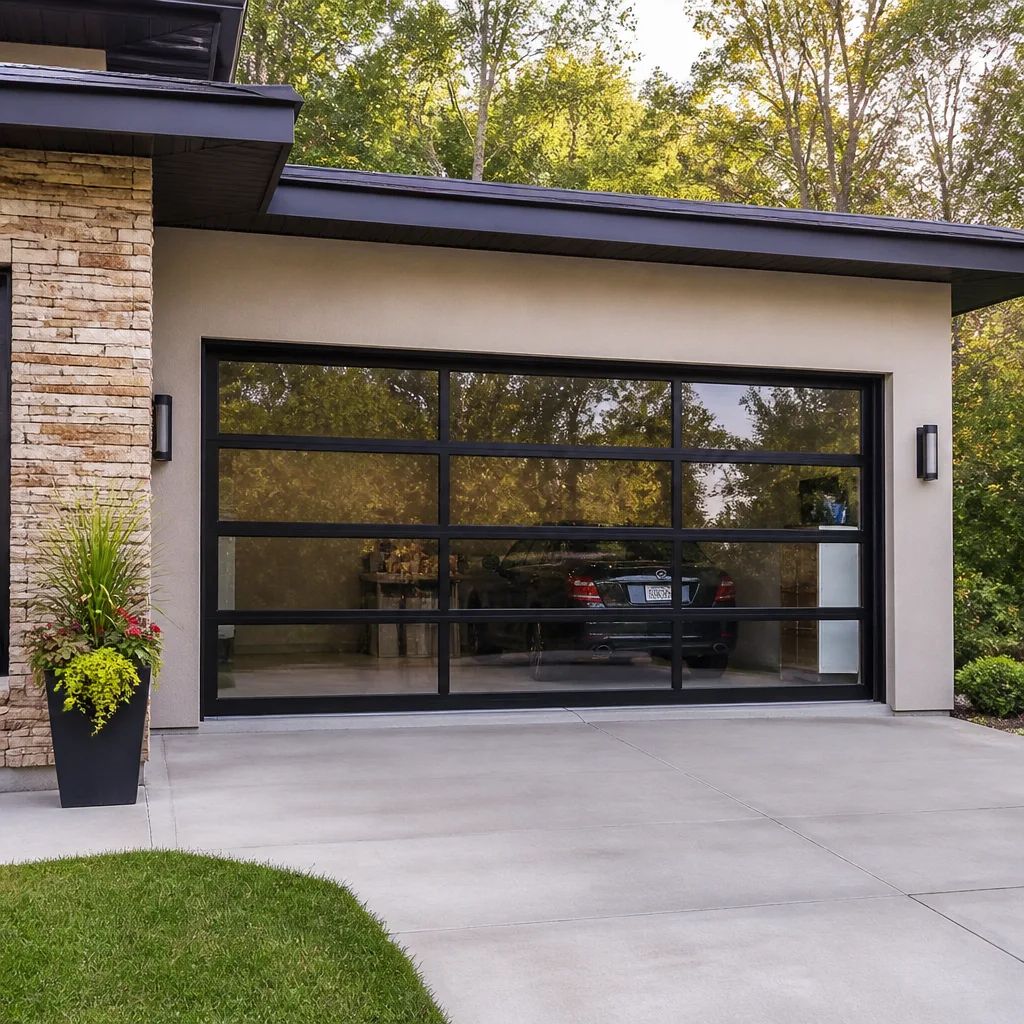 Full-view glass
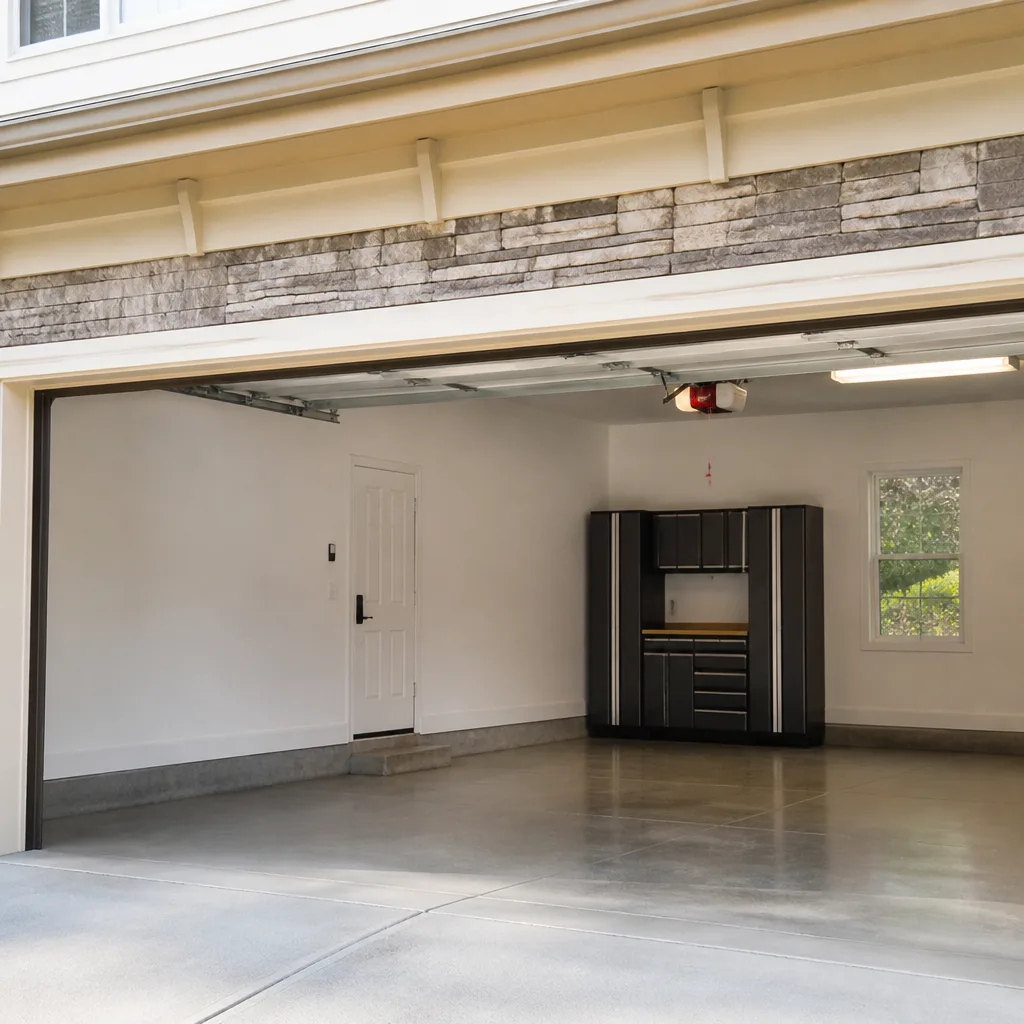 LiftMaster openers
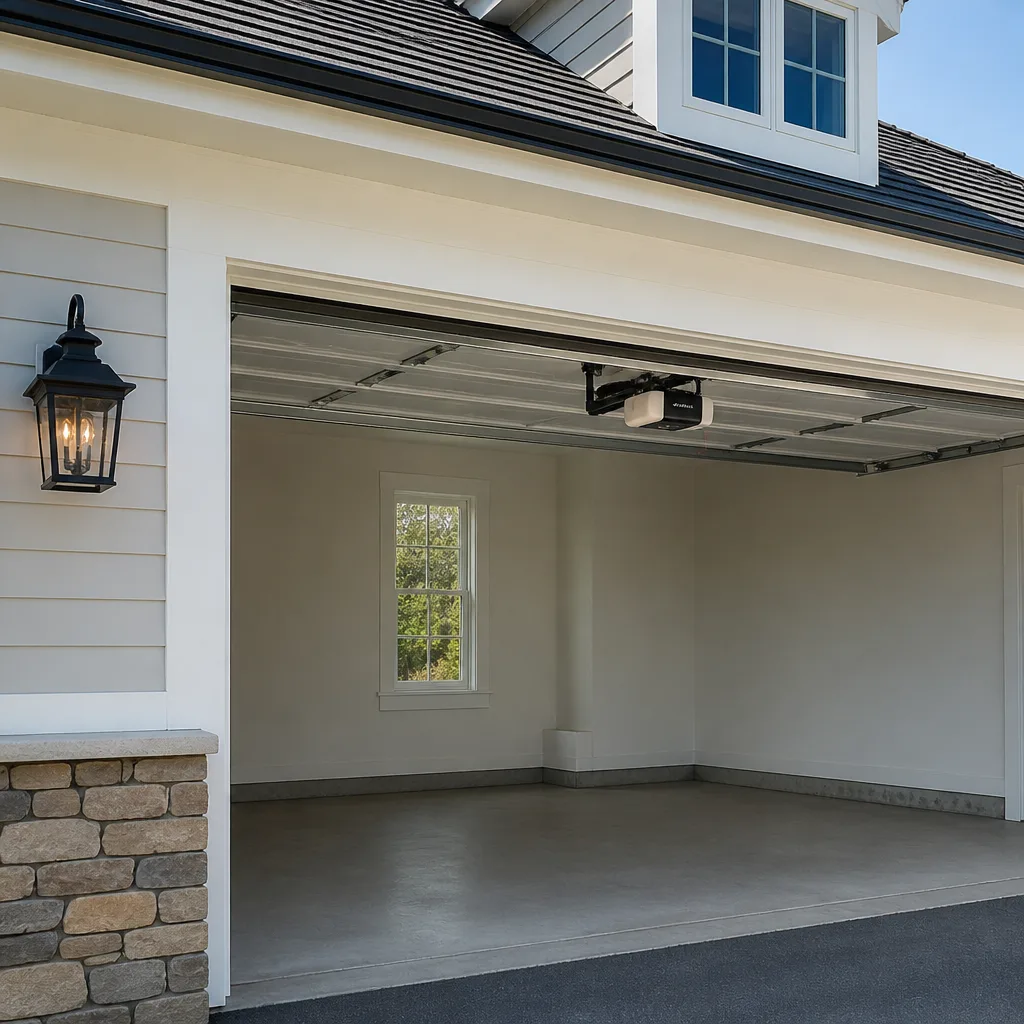 Chamberlain openers
Full 25-point door and opener safety check with every visit - springs, cables, rollers, tracks, and your LiftMaster or Chamberlain opener included
You get a price before we start. It does not change when the pro arrives.
Get your free estimateThe Complete Guide to Garage Doors in University Park
Most garage door advice you’ll read online was written for an imaginary homeowner in an imaginary average climate. That advice breaks down fast in University Park, where the town sits around 5,400 feet above sea level and the temperature can swing 60°F between a cold morning and a warm afternoon. Springs are calibrated to a specific balance point, and seals compress differently when the mercury moves that far in a single day. This guide treats those local conditions as real technical variables, not footnotes. You’ll learn how elevation and temperature shape spring tension, which materials survive Colorado’s UV and freeze-thaw cycles, how HOA standards in University Park constrain what you can install, and how to read your whole door-and-opener system before you spend a dollar.
Quick Answer
A garage door in University Park has to handle big daily temperature swings, intense high-altitude sun, and neighborhood HOA rules that limit color and style. The right door-and-opener combination for this town balances insulated steel or composite panels, correctly calibrated springs, and an opener drive type matched to whether your garage is attached or detached. Diagnose the whole system before replacing any single part, because a squeaky door is often a spring, track, or hinge problem rather than an opener failure.
Styles & brands we work with
- Raised-panel steel
- Carriage house
- Modern flush
- Full-view glass
- LiftMaster openers
- Chamberlain openers
Table of Contents
- How University Park’s Elevation and Temperature Swings Affect Your Door
- HOA Standards in University Park and What They Constrain
- Steel vs. Wood Composite vs. Aluminum in Colorado’s Sun and Freeze-Thaw
- Which Opener Drive Type Holds Up in Attached vs. Detached Garages
- How to Read Your Garage Door as a Whole System
- A Simple Seasonal Maintenance Routine for University Park Homes
- What Drives Cost on a University Park Garage Door Job
- How to Choose a Garage Door Professional in University Park
How University Park’s Elevation and Temperature Swings Affect Your Door
At roughly 5,400 feet, University Park sits high enough that the air is thinner and the sun hits harder than it does at sea level. For a garage door, the practical effects show up in three places: spring tension, seal compression, and the wear rate on moving metal parts. Springs are manufactured to a rated life at a standard cycle count, but they’re installed to hold a specific door weight at a specific balance point. When that balance shifts, the opener starts working harder than it should, and the door starts behaving unpredictably.
The bigger issue in University Park is the daily temperature spread. A 60°F swing between morning and afternoon is normal here, and every one of those swings expands and contracts the steel, the tracks, and the rubber seals. Over a season, that adds up to thousands of small movements. What you’ll notice as a homeowner:
- Seals that seal in the morning and leak by noon. A bottom seal sized for a mild climate won’t maintain contact through the day’s thermal expansion. You’ll see daylight under the door or feel a draft.
- Noise that comes and goes. Hinges, rollers, and the torsion bar all move slightly with temperature. A door that’s silent on a cold morning may rattle on a warm afternoon.
- Opener strain. If the springs are even slightly out of calibration, a temperature swing can push the opener past its design load. LiftMaster and Chamberlain units are built to notice this and reverse or stall; older Genie and Craftsman openers often just grind.
None of this means University Park homes need exotic equipment. It means spring calibration and seal selection matter more here than in a mild-climate town, and a technician who ignores the local temperature profile will hand you a door that works in spring and misbehaves by August. When we calibrate a door in University Park, we’re working against the local range, not a generic spec sheet.
HOA Standards in University Park and What They Constrain
Many University Park neighborhoods are governed by HOA architectural standards that limit color, style, panel pattern, and even material. Before you choose a door, check your association’s guidelines, because the wrong choice can get flagged and force a redo. These rules exist to keep a neighborhood visually consistent, but they also narrow your options in ways a national buying guide never mentions.
What HOA standards commonly affect:
- Color palettes. Many associations approve a defined set of colors, often muted neutrals. A door that’s factory-finished in an approved color saves you a paint or stain step later.
- Panel style. Raised-panel vs. flush vs. carriage-house styling may be specified. Clopay and Amarr both offer models in configurations that meet common carriage-style and raised-panel requirements.
- Window inserts and hardware. Decorative handles, hinges, and window layouts often need approval. Keep the spec sheet on hand for your architectural review.
- Material restrictions. Some associations prefer or require certain finishes for uniformity with surrounding homes.
The practical move: read your HOA packet before you shop, then match your shortlist to the approved options. If you’re set on a specific look, ask your association for written approval before ordering. A door ordered and installed against the rules is an expensive mistake, and no reputable installer wants to put you in that position. We’re happy to review your HOA sheet with you when we quote a door in University Park, so the spec you order is one your association will accept.
Steel vs. Wood Composite vs. Aluminum in Colorado’s Sun and Freeze-Thaw
Colorado’s UV index is high, and University Park’s freeze-thaw cycles are relentless. Both wear on a garage door in ways you won’t see in a milder climate. Here’s how the three common materials hold up locally.
Steel
Steel is the most common choice, and it handles high-altitude sun well when the finish is sound. The weak point is the paint film: once it chips or fades, moisture gets to the steel. Insulated steel panels hold their shape through freeze-thaw cycles and are the practical default for most University Park homes. Brand options include Clopay and Amarr, both of which offer insulated models in configurations that fit typical HOA palettes.
Wood composite
Wood composite gives you the warm look of wood without the maintenance of real timber. In University Park’s sun it holds finish better than raw wood, but the joints are where freeze-thaw does its work. Composite doors need periodic inspection of seams and a top coat to keep UV from breaking down the surface layer.
Aluminum
Aluminum is light and won’t rust, which makes it attractive for some applications. It also dents more easily and conducts heat, so an uninsulated aluminum door in an attached garage will transfer the afternoon heat straight into the house. Aluminum works best where appearance and weight matter more than insulation.
The pattern to take away: material choice in University Park is really a question of how the finish handles intense UV and how the structure handles a repeat freeze-thaw cycle. Insulation value only matters if the door is on an attached garage you’re trying to keep comfortable.
Which Opener Drive Type Holds Up in Attached vs. Detached Garages
Opener drive type matters more in University Park than most guides admit, because the town’s housing stock includes both attached and detached garages, and the two put very different demands on an opener. The drive is the mechanism that pushes the door: belt, chain, or screw.
- Belt drive. Quietest option. The right choice for an attached garage under a bedroom or living space, where noise travels. A belt is a wear part, so it needs checking, but modern LiftMaster and Chamberlain belt units are reliable and smart-home compatible.
- Chain drive. Durable and common. A chain handles cold well and holds up in detached garages where noise isn’t a concern. It’s louder than a belt, which is the trade-off.
- Screw drive. Fewer moving parts and generally smooth in cold weather. Less common, but a reasonable fit for a detached garage where you want minimal maintenance.
In University Park, an attached garage typically shares a wall with living space, so noise control points toward a belt drive or a well-isolated chain unit. A detached garage gives you more freedom, and a chain or screw drive’s durability is a better match. If your opener is an older legacy system, the question shifts: is it worth repairing, or is it time for a modern smart-home-integrated unit? That depends on the rest of the system, which is where a proper diagnosis matters.
How to Read Your Garage Door as a Whole System
A garage door is not one thing. It’s a set of panels, springs, cables, tracks, rollers, hinges, a bottom seal, and an opener, all balancing against each other. When one part fails, the failure often shows up somewhere else. Reading the system before you replace anything keeps you from buying the wrong part or the wrong door.
Here’s the order we work through when we look at a door in University Park:
- Check the balance. Disconnect the opener and lift the door halfway by hand. A properly balanced door should stay put. If it drops or rises on its own, the springs are out of calibration and the opener is compensating for it.
- Inspect the springs and cables. Look for gaps in the coil, rust, or frayed cable. This is a safety check only: springs and cables are under extreme tension and are the most dangerous part of a garage door. Don’t adjust or remove them yourself.
- Examine the tracks and rollers. Bent tracks, worn rollers, and loose hinges cause noise and uneven travel. This is a common source of “the door is broken” complaints that turn out not to be the opener at all.
- Test the seal and panel alignment. A bottom seal that no longer touches the floor is a heat-loss and pest problem. Misaligned panels can bind the whole system.
- Test the opener last. Once the door itself is balanced and moving freely, evaluate the opener. If the door was binding, the opener may be fine and simply overworked.
This order is why we diagnose rather than guess. A homeowner in University Park who replaces an opener to fix a binding door has solved the wrong problem. Our technicians have up to 11 years of experience, and the habit that experience builds is to look at the whole system before recommending a single part.
A Simple Seasonal Maintenance Routine for University Park Homes
You don’t need to become a garage door technician to keep your door working. A few checks a few times a year will catch small problems before they turn into spring replacements or opener failures. These are safe homeowner checks; anything involving springs, cables, or the opener’s internals belongs to a trained professional.
- Lubricate the moving parts you can reach. Hinges, rollers, and the torsion bar (not the spring coil) benefit from a garage-door lubricant a couple of times a year. Work it in with a cloth and clear the excess.
- Test the balance. Disconnect the opener and lift the door by hand to check it holds halfway. If it doesn’t, the springs need professional attention.
- Wash and inspect the finish. High-altitude sun is hard on paint film. Wash off dust, check for chipping or fading, and touch up small chips before moisture gets underneath.
- Check the bottom seal. Look for gaps, cracks, or hardened rubber along the floor line. A seal that no longer compresses is letting in cold air and driving up heat loss.
- Listen for changes. New rattles, grinding, or hesitation are early warnings. Note when they happen; temperature-dependent noise is a useful clue.
- Test the safety reverse. Put a roll of paper towels under the door and close it. The door should reverse. If it doesn’t, have the opener checked before anything else.
If you stick to that routine, most University Park doors will go a long way between service calls. If a check turns up something in the spring, cable, or opener internals, stop there and call a professional. Those components operate under tension that can cause serious injury, and no homeowner should be adjusting them.
What Drives Cost on a University Park Garage Door Job
Garage door costs in University Park track the scope of the job, the materials, and the local environment. We don’t quote a single price here because a spring replacement and a new-door installation sit at opposite ends of the scale. What we can do is explain what pushes the number up or down, so you can read a quote with some confidence.
- Spring work. Replacing one spring is cheaper than replacing a matched pair, and springs are usually replaced in pairs because they wear together. Insist on a written quote per spring so you understand what you’re paying for.
- Opener replacement. A belt-drive smart-home unit costs more than a basic chain opener, and the difference is largely about quiet operation and features like smartphone control.
- Panel and section repair. A single damaged panel can often be replaced on a sectional door, which is far cheaper than a new door. Brand availability matters: Clopay, Amarr, and Wayne Dalton panels are generally easier to source than off-brand ones.
- New-door installation. Material, insulation, size, and HOA-compliant style all move the price. A measured, scheduled installation is a different kind of job than a repair.
- Local factors. University Park’s temperature swings mean spring calibration and seal selection deserve budget priority, since a poorly calibrated door shortens the life of everything downstream.
On any job, the price is quoted and agreed before work starts, and the written estimate sets the final price. That’s the standard we hold to whenever we quote a door in University Park.
How to Choose a Garage Door Professional in University Park
Choosing the right professional in University Park comes down to whether they understand your specific system or just show up and figure it out on the spot. The questions below are the ones worth asking before anyone touches your door.
- Do they work across major brands? A specialist who knows LiftMaster, Chamberlain, Genie, Clopay, Amarr, Wayne Dalton, Craftsman, and Raynor can diagnose on the first visit instead of guessing.
- Do they diagnose or replace? Ask whether they’ll test the balance and inspect the whole system before recommending a part. A technician who jumps to “you need a new door” without a balance check is selling, not diagnosing.
- Can they source parts? Parts availability across multiple brands means your repair happens in one visit instead of waiting on a back-ordered component from a single-brand shop.
- Do they treat spring repair as a safety job? Springs and cables are the most dangerous part of the system. A professional explains the risk rather than rushing a homeowner through it.
- Is the quote written and clear? A written estimate, agreed before work starts, is the baseline. Be wary of anyone who won’t put a price in writing.
- Are the technicians licensed and insured? The local pro we connect you with is licensed and insured as their state requires. Confirm the credentials on your own as well.
University Park Garage Door Repair Pros works across eight major brands and diagnoses before recommending. If you want a second opinion on what your system actually needs, our garage door repair team can look at the whole door and tell you what’s really going on.
Common Mistakes to Avoid
- Replacing the opener to fix a binding door. If the door isn’t balanced, a new opener will work harder than it should and may fail the same way. Check the springs and track first.
- Ignoring the bottom seal in a big-temperature-swing climate. A seal that looks fine in the morning can be leaking by afternoon in University Park. Check it in the warm part of the day.
- Buying a door before checking HOA rules. University Park associations often control color and style. A door that doesn’t meet the standards can force an expensive redo.
- Choosing material for looks alone. Aluminum looks clean but dents and transfers heat. Composite looks warm but needs finish care. Match the material to the garage’s actual exposure.
- Skipping spring calibration after a temperature change. A door that’s balanced in spring can be out of balance in high summer. Have it checked when the behavior changes.
- Adjusting springs yourself. This is the single most dangerous DIY mistake on a garage door. Springs and cables are under tension that can cause serious injury; call a trained professional.
- Picking an opener drive without thinking about noise. A chain opener on an attached garage under a bedroom is a decision you’ll hear every morning. Match the drive to the garage’s location.
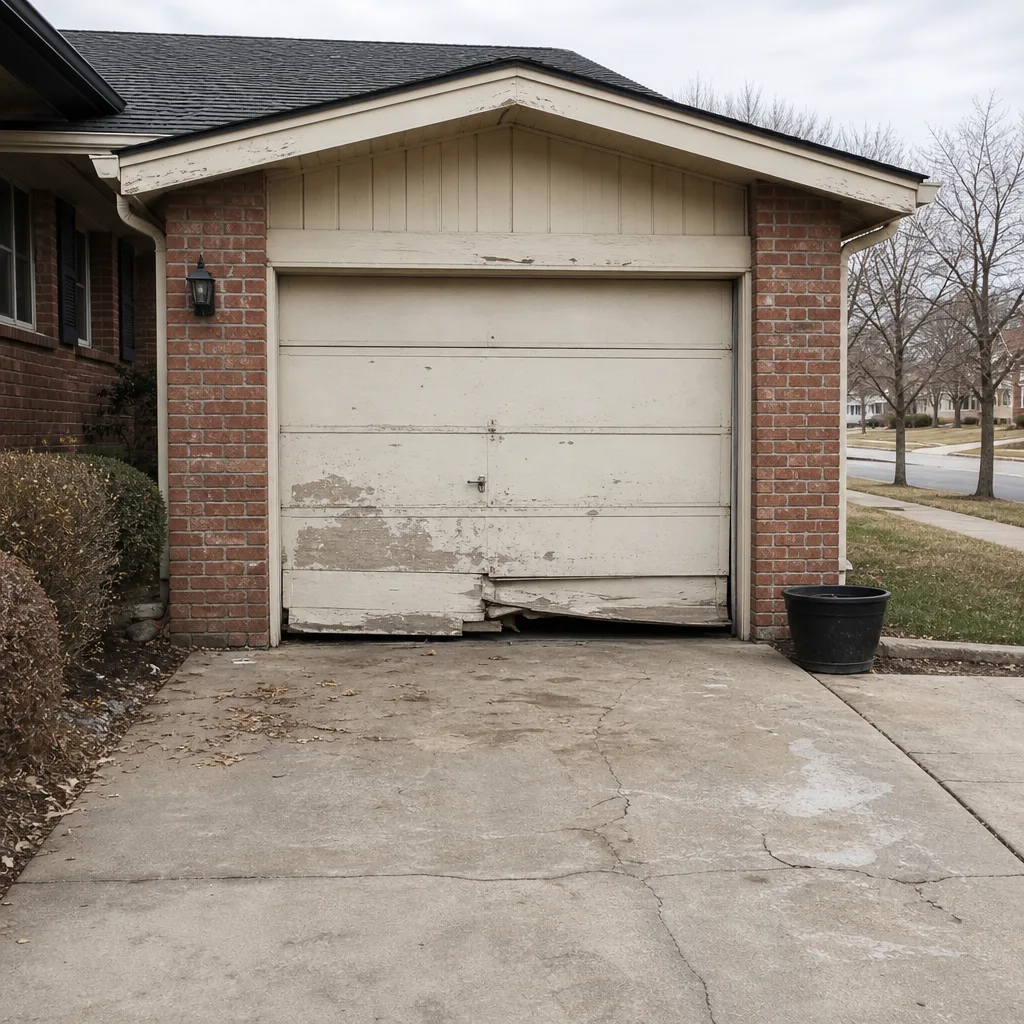
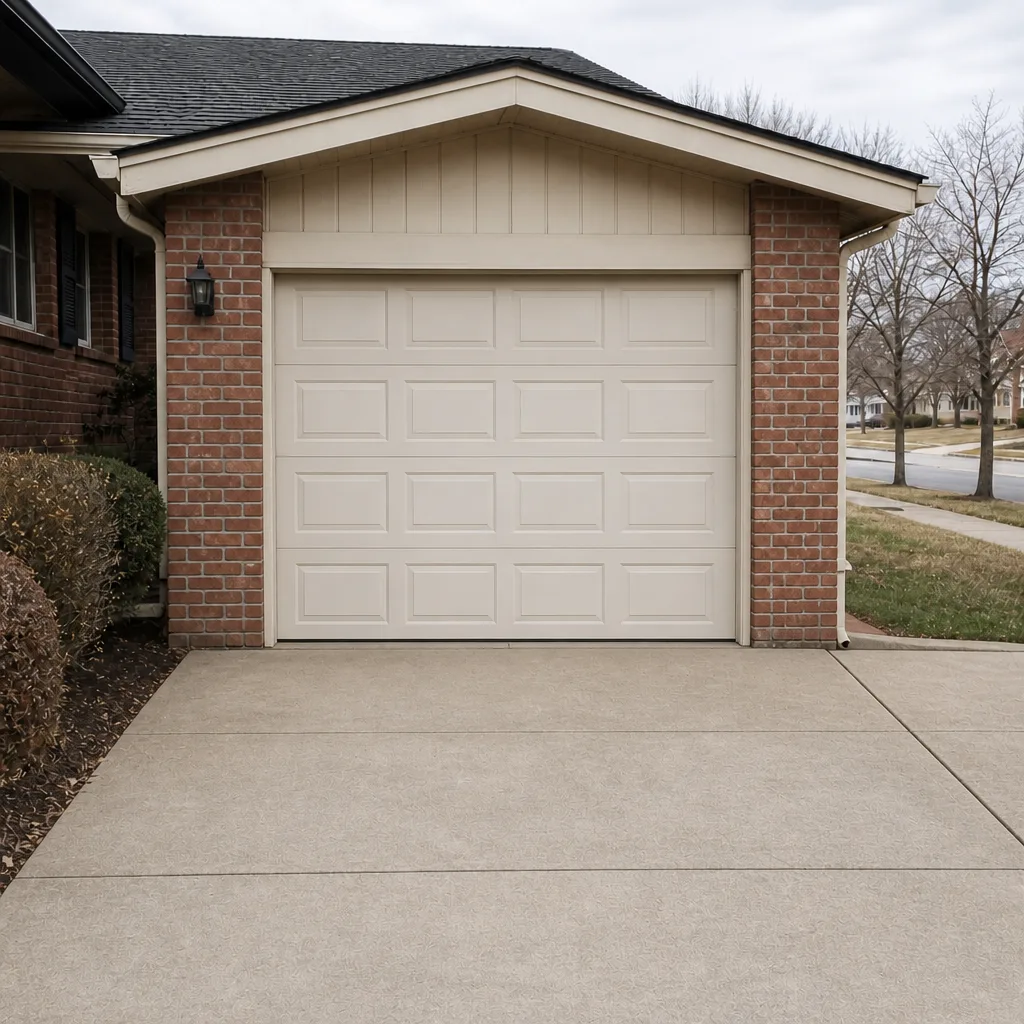
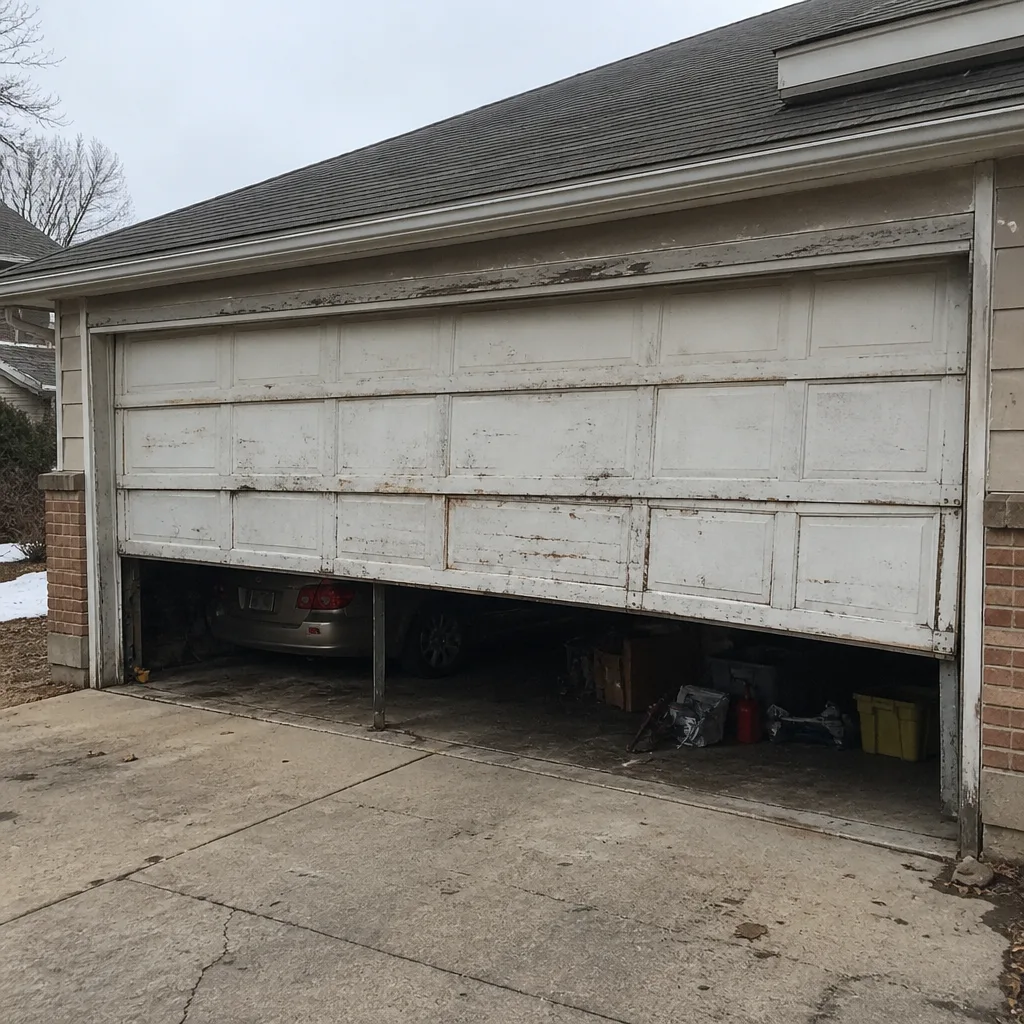
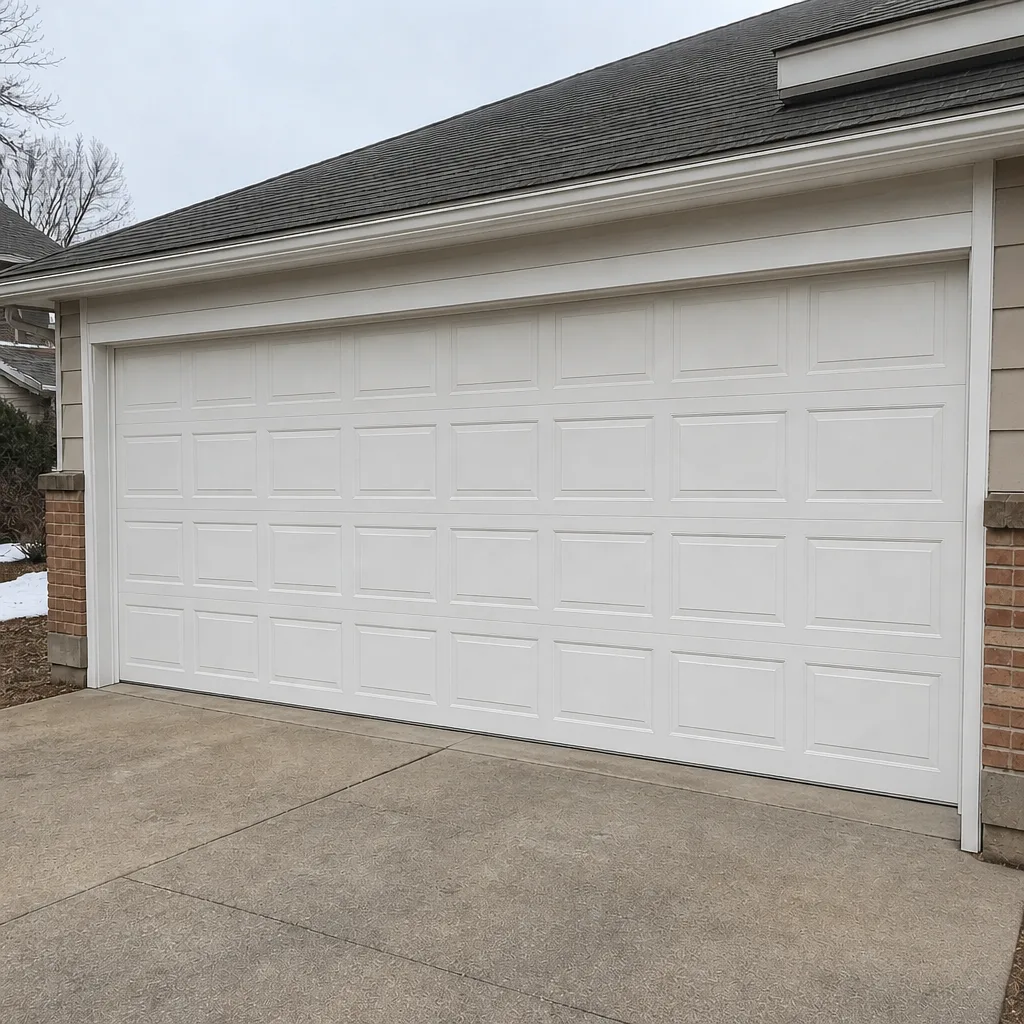
See the difference
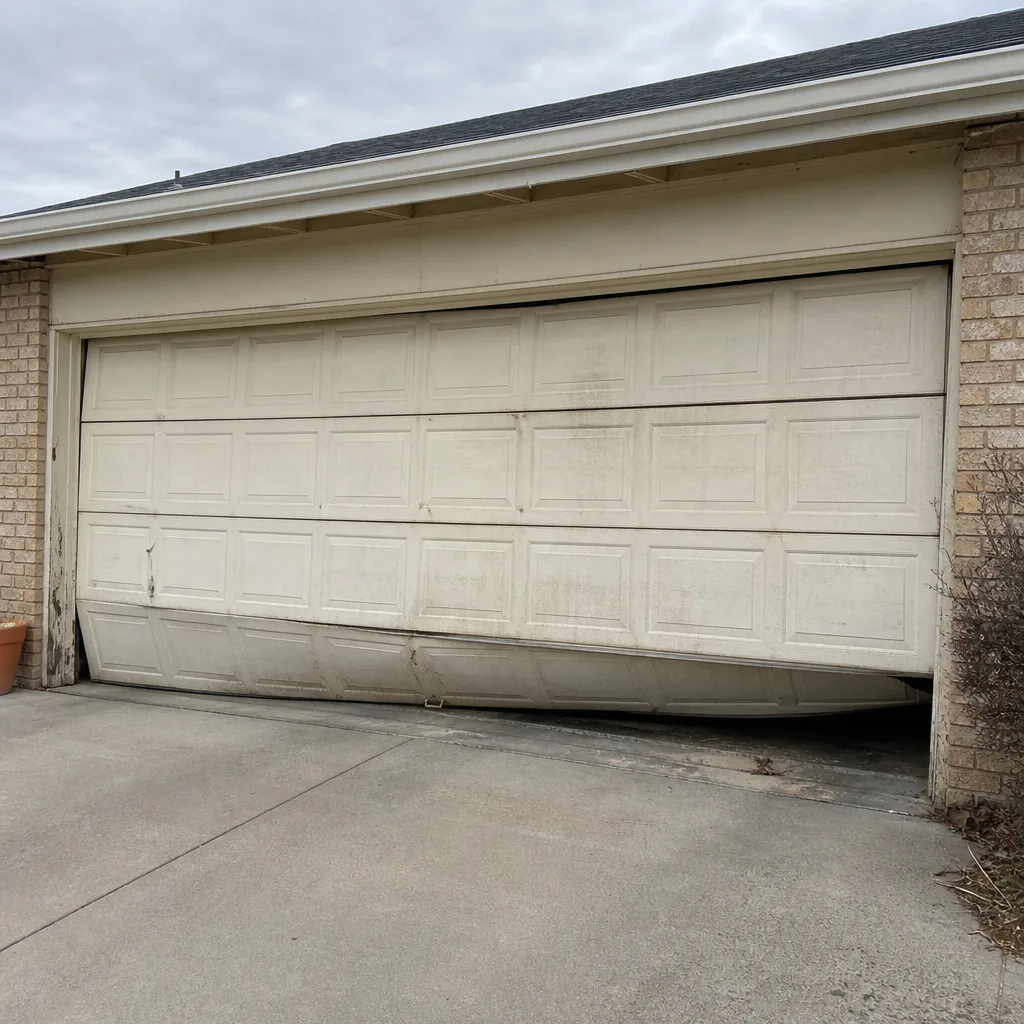 Before
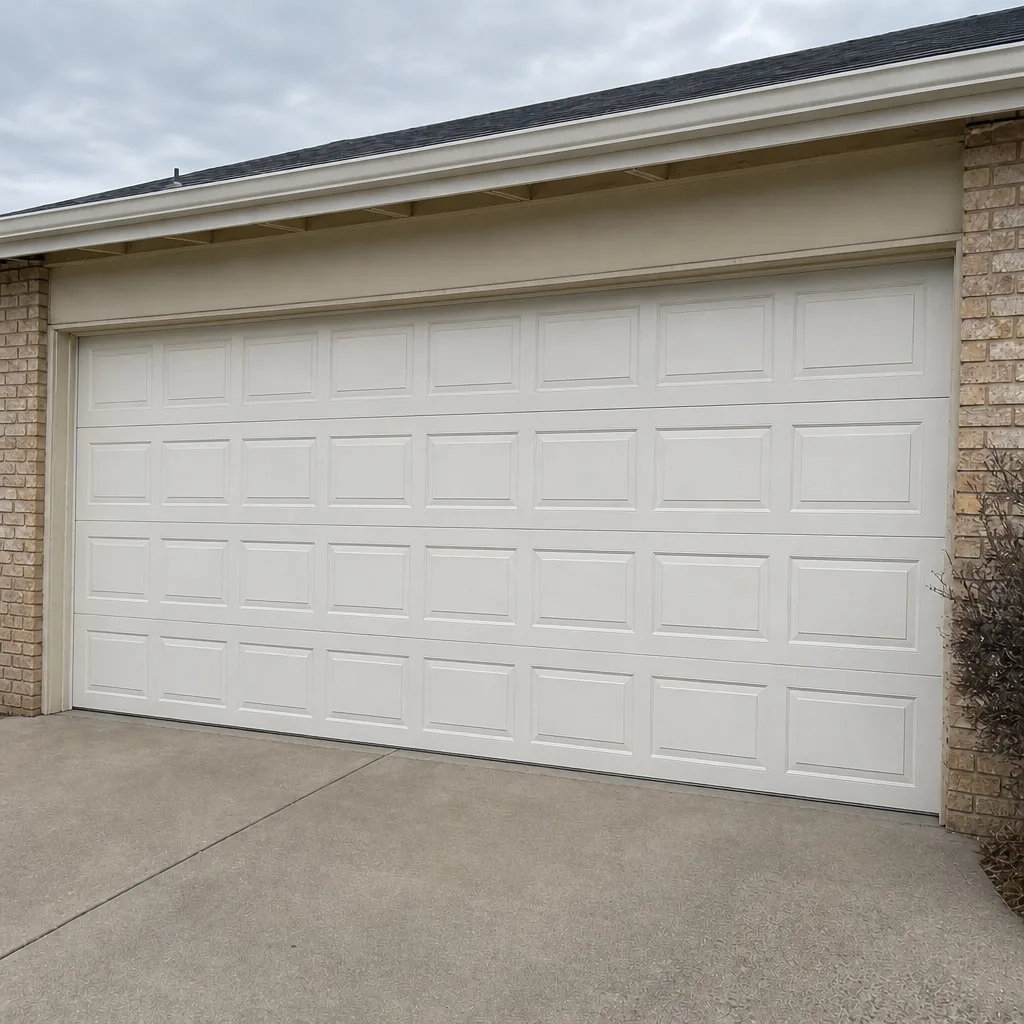 After
 Before
 After
 Before
 After
When to Call a Professional
Some garage door problems are safe to watch and wait on. Others need a call. If you see a spring with a gap in the coil, a frayed or kinked cable, a door that slams or reverses unpredictably, or an opener that grinds or hesitates, stop using the door and call. If the door is hard to lift by hand, binding in the track, or leaving daylight under the seal, that’s a good time for a diagnosis too. A single damaged panel or a worn roller is a repair, not a replacement, and a specialist can often source the right part in one visit. Our garage door opener repair and spring teams handle both ends of that spectrum. University Park Garage Door Repair Pros offers free estimates in University Park – call (844) 524-3396.
Frequently Asked Questions
Spring repair in University Park usually depends on whether you’re replacing one spring or a matched pair, and a pair typically costs about twice a single spring because they’re replaced together. Springs are the most dangerous component on the door, so this is not a component to price-shop on a race to the bottom. Call (844) 524-3396 for an exact quote – estimates are free.
If your door is stuck, call and we’ll get a technician out as soon as we can, and same-day service is often possible for repair calls. Opener failures, broken springs, and binding tracks are common reasons a door won’t open, and the sooner we diagnose, the sooner it’s fixed. Call (844) 524-3396 and we’ll book a repair window.
No – the price we quote is agreed in writing before any work starts, and the written estimate sets the final price. That’s the point of the estimate: it protects you from surprise invoices. If we find something different once we’re on site, we’ll tell you and re-quote before touching the door. Call (844) 524-3396 for a free estimate.
The local pro we connect you with is licensed and insured as their state requires. We work across eight major brands, so the technician who arrives has system-specific knowledge rather than a generic toolkit. Call (844) 524-3396 to ask about credentials and get a free estimate.
Often yes – many University Park neighborhoods set color, style, and material standards for garage doors. Check your association’s architectural guidelines before you order, and bring the spec sheet to your quote so the door you choose meets the rules. Call (844) 524-3396 and we’ll walk through your HOA sheet with you.
Repair usually wins when the door is structurally sound and a specific part – a panel, a spring, a roller, an opener – has failed. Replacement makes sense when the door is damaged across panels, the material is failing from UV and freeze-thaw, or the system isn’t worth the cost of repeated fixes. A proper diagnosis tells you which side of that line you’re on. Call (844) 524-3396 for a free estimate and an honest read.
The Bottom Line
University Park isn’t an average climate town, and a garage door here needs to be read against local conditions: the 5,400-foot elevation, the 60°F swings, the UV intensity, the freeze-thaw cycle, and the HOA rules that shape what you can install. Diagnose the whole system – balance, springs, cables, tracks, seals, panels, and opener – before you replace anything. Match material and opener drive type to your home and your garage’s location. Keep a light maintenance routine, and call a professional the moment springs or cables are involved. University Park Garage Door Repair Pros works across eight major manufacturers and diagnoses rather than guesses. Our technicians have up to 11 years of experience, and we offer free estimates in University Park.
If you’re ready to understand what your University Park garage door actually needs, or you’re thinking about a new installation, our garage door installation team can measure, quote, and schedule the work. For a free estimate on repair, springs, openers, or a new door, call (844) 524-3396, or start with University Park Garage Door Repair Pros.
Written by the team at University Park Garage Door Repair Pros.