Last updated November 22, 2026
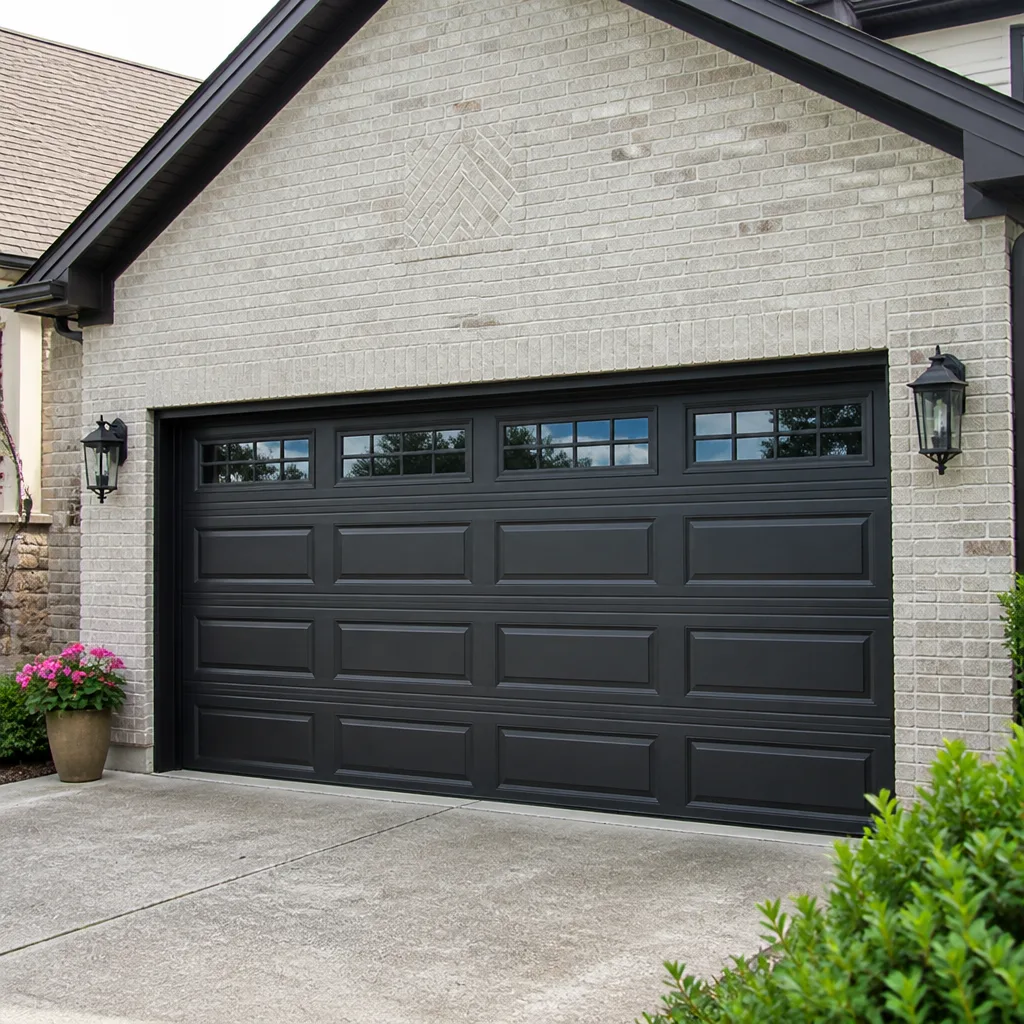 Raised-panel steel
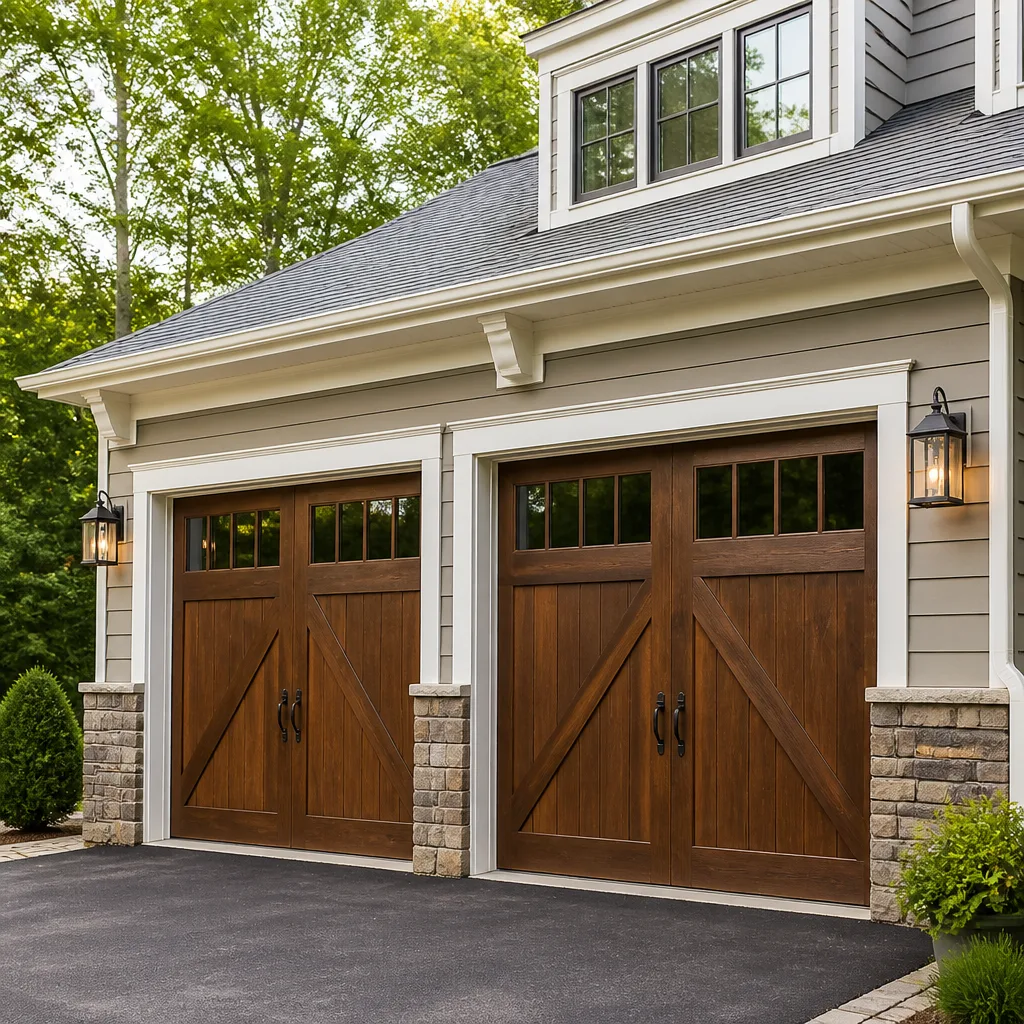 Carriage house
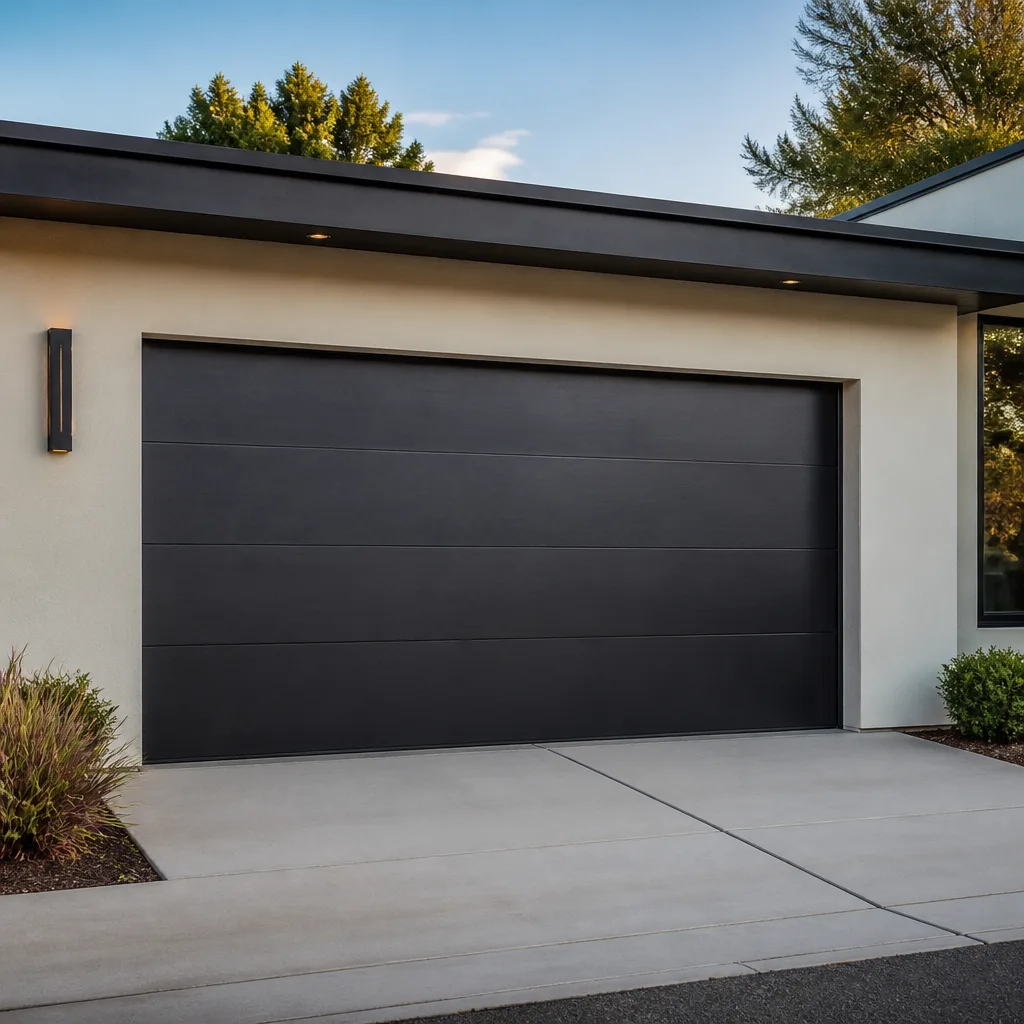 Modern flush
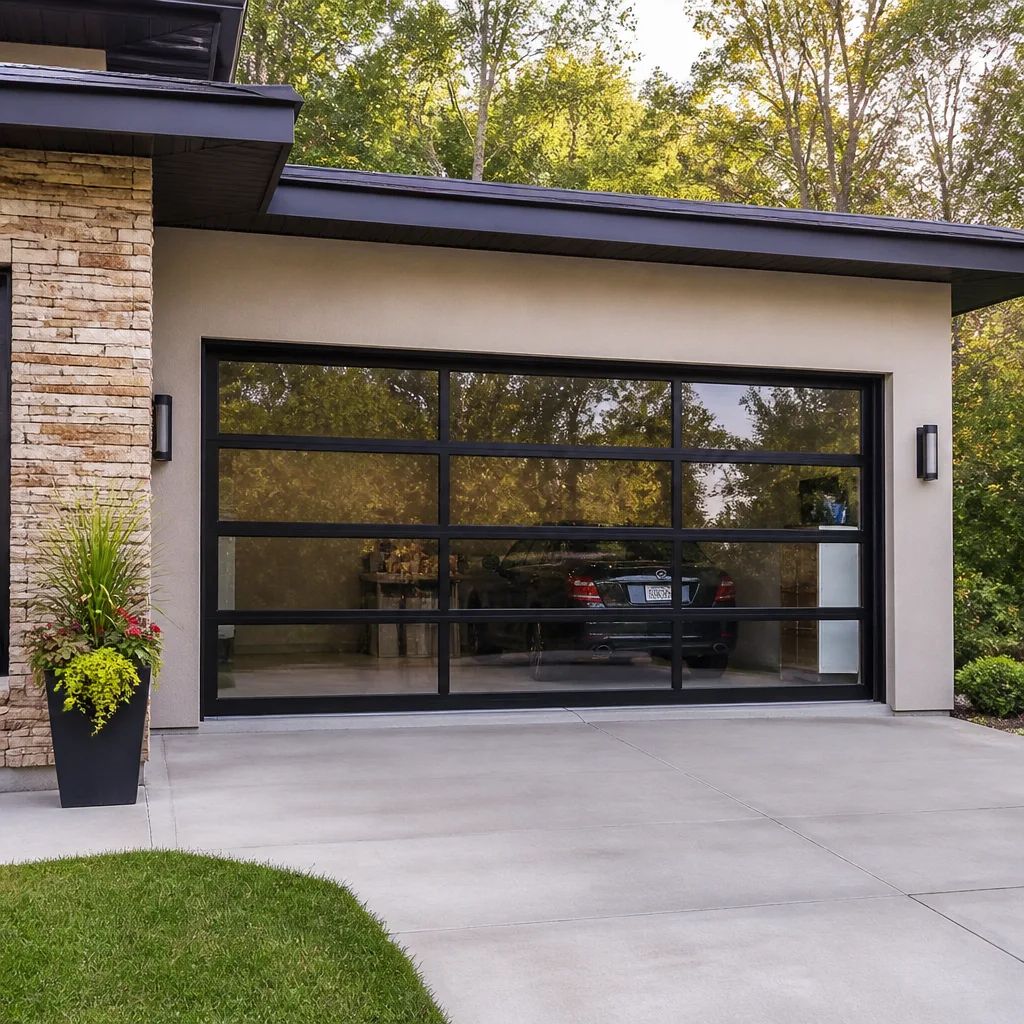 Full-view glass
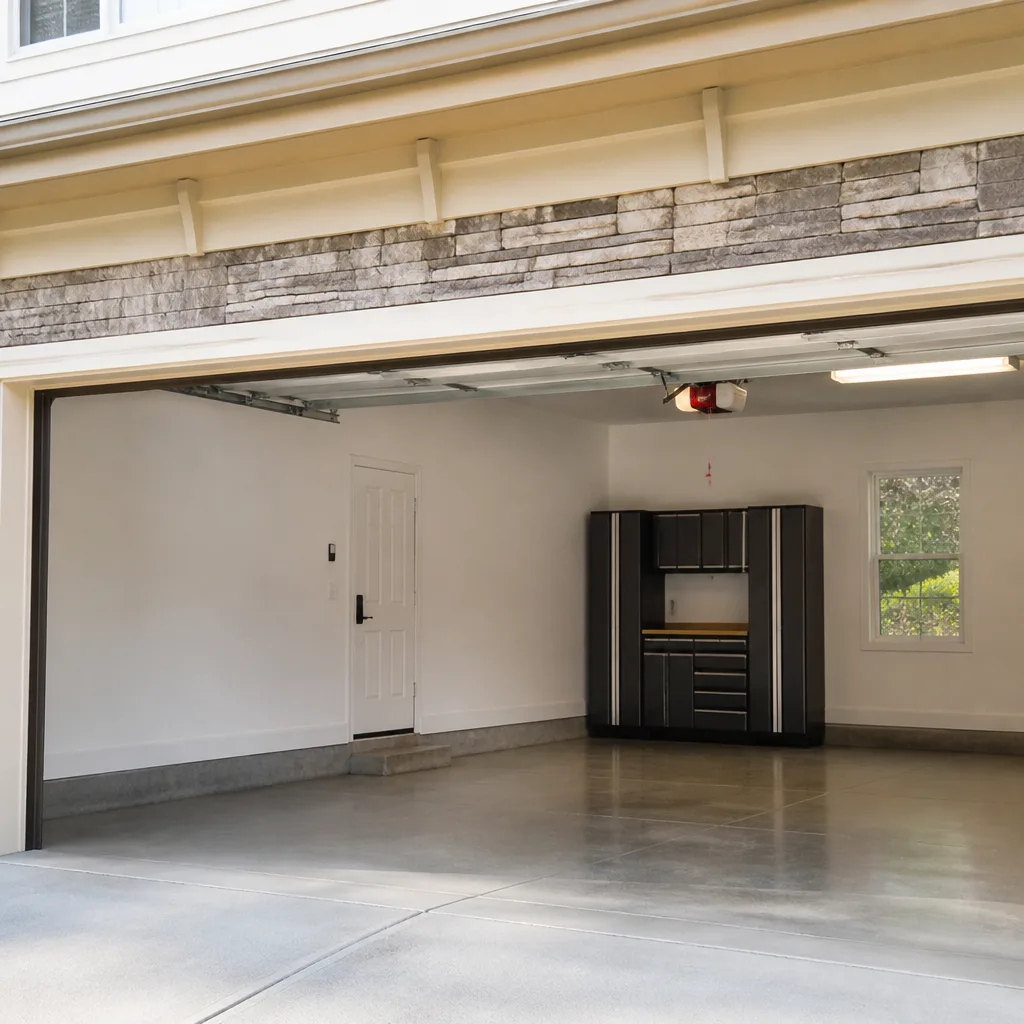 LiftMaster openers
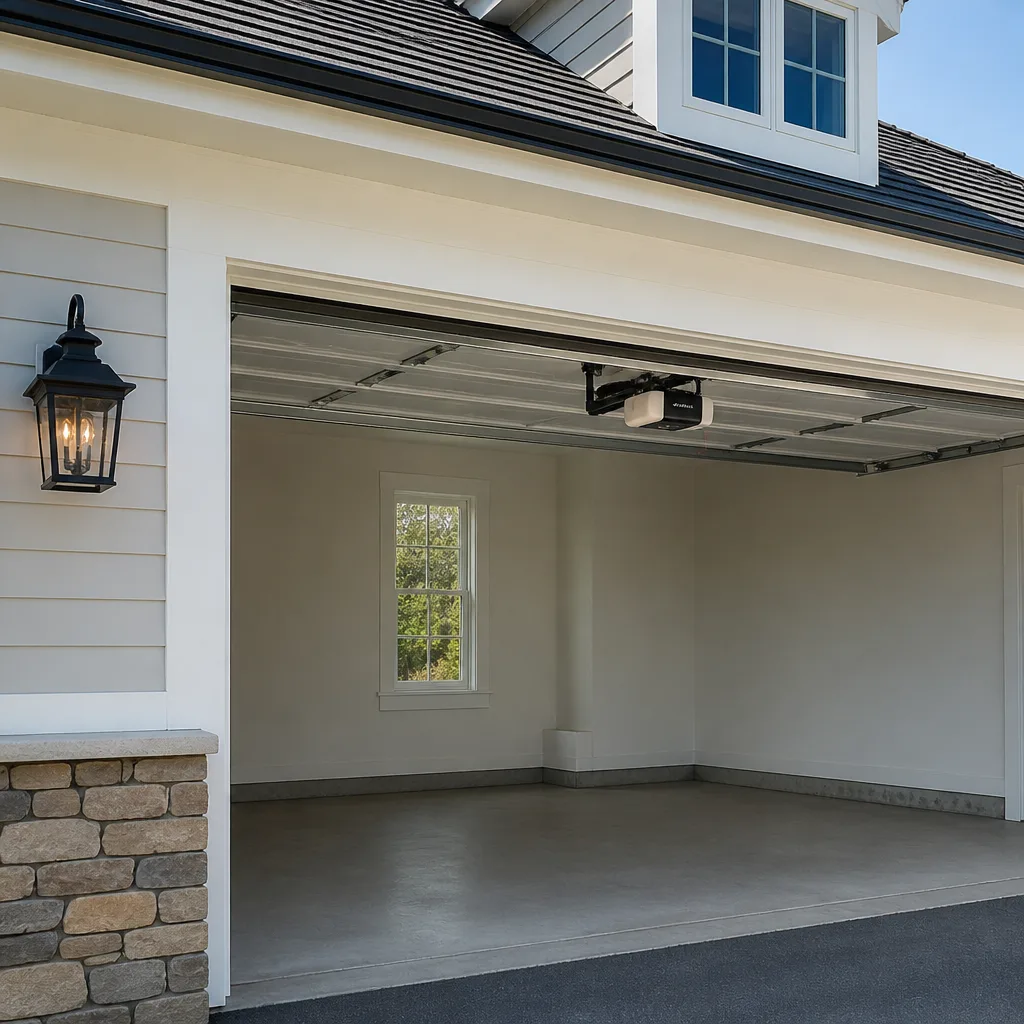 Chamberlain openers
Full 25-point door and opener safety check with every visit - springs, cables, rollers, tracks, and your LiftMaster or Chamberlain opener included
You get a price before we start. It does not change when the pro arrives.
Get your free estimateGarage Door Permits, Codes & Inspections in University Park, CO: What You Need to Know
Most garage door work in University Park doesn’t need a permit. That surprises homeowners, who assume anything touching the structure or the electrical system must be signed off by the city. It also creates a trap: the jobs that do require a permit are the ones people most often skip, and those are exactly the jobs that cause trouble years later at resale. The line between exempt and permitted isn’t obvious, and it shifts depending on whether you’re swapping panels, cutting a new opening, or wiring an opener. This guide walks through how Colorado’s code adoption actually reaches a University Park driveway, what triggers a permit, what a city inspector looks for, and where the disclosure obligation lands when unpermitted work surfaces during a sale.
Quick Answer
In University Park, a like-for-like garage door replacement – same size opening, same type of door, no structural or electrical changes – is generally permit-exempt under Colorado’s adopted building code. A new rough opening, structural framing changes, or new electrical work for an opener circuit typically requires a permit and inspection through the local building department. Fire-rated door requirements between an attached garage and the living space apply to University Park homes regardless of whether a permit is pulled, and unpermitted structural or electrical work can surface during a title search and complicate a sale.
Styles & brands we work with
- Raised-panel steel
- Carriage house
- Modern flush
- Full-view glass
- LiftMaster openers
- Chamberlain openers
Table of Contents
- How Colorado’s Code Adoption Reaches University Park
- Exact Permit Triggers for Garage Door Work
- Fire-Rated Doors Between the Garage and Living Space
- What a City Inspector Actually Checks
- Opener Circuits and Electrical Permits
- How Unpermitted Work Surfaces at Resale
- What University Park Climate Does to Doors and Hardware
- How to Choose a Contractor for Permitted Work
How Colorado’s Code Adoption Reaches University Park
Colorado doesn’t run a single statewide building code for one- and two-family homes. The state adopts a model code – the International Residential Code, or IRC – and then individual jurisdictions choose whether to adopt it, which edition, and what local amendments to layer on top. University Park sits within the City and County of Denver, which means the Denver amendments, not a generic state version, are what actually govern a garage door installation here. That distinction matters when you’re trying to figure out whether a job needs a permit.
The practical effect is that a contractor who works across the metro can’t assume one jurisdiction’s rules apply in another. Denver has its own permitting thresholds, its own inspection sequence, and its own interpretation of what counts as structural versus cosmetic. A like-for-like swap that flies in an unincorporated county might require a permit two miles away in a different city. When we quote a job in University Park, we check the Denver requirements for that specific scope before anyone orders a door.
Here’s what that means for a homeowner:
- The IRC is the baseline, not the whole story. Denver’s amendments can tighten or clarify what the model code leaves ambiguous.
- Edition matters. Different jurisdictions in the metro may be on different IRC editions, so a rule that applied five years ago may have shifted.
- Permit thresholds are local. The threshold for when a permit is required is set by the jurisdiction, not the state.
- Inspections follow the permit. If no permit is pulled, no inspection happens – and the work carries no third-party verification.
If you’re planning a replacement and want to know what your specific scope triggers, the fastest path is a call to the Denver building department with the address and a description of the job. We do this on every installation we quote in University Park, and it’s the reason we can tell you upfront whether a permit is part of the project or not.
Exact Permit Triggers for Garage Door Work
A like-for-like garage door replacement in University Park is generally exempt from permitting. That means same opening, same dimensions, same door type, no changes to the framing, header, tracks mounting, or electrical. You’re swapping a door for a door. The structure stays as it was, and no inspection is required.
The exemptions stop where the work stops being cosmetic. Here’s where the line typically sits:
- Like-for-like panel or door swap: generally exempt. Same size opening, same door type, hardware replaced in kind.
- New rough opening or widened opening: requires a permit. Cutting into the wall, altering the header, or reframing changes the structural load path.
- Structural framing changes: requires a permit and inspection. Widening a garage door opening means the header has to be resized and the load recalculated.
- New electrical circuit for an opener: requires an electrical permit in most jurisdictions, including Denver. Tapping into an existing circuit for a replacement opener of the same type is usually treated differently than running a new dedicated circuit.
- Converting a garage to living space: requires a permit and triggers a full set of requirements, including fire separation and egress considerations.
- Changing from a manual door to an opener where no circuit exists: usually requires an electrical permit, since a new circuit is being added.
The line between “new circuit” and “existing circuit” is where most homeowners get confused. If the garage already has an opener and you’re replacing it with a new opener of the same type, the wiring situation usually doesn’t change. If there’s no opener and no circuit, adding one means electrical work, and electrical work in Denver means a permit and an inspection. That’s a real cost, but it’s a fraction of the cost of discovering the problem at resale.
For a replacement that stays within the exempt range, our garage door installation process runs without a permit step. For anything that touches framing or adds a circuit, we flag the permit requirement before the job is scheduled so there are no surprises.
Fire-Rated Doors Between the Garage and Living Space
The door between an attached garage and a house is a fire separation door, and it’s governed separately from the overhead garage door. It’s the entry door from the garage into the living space, and in University Park, most attached garages have one. The code requirement is straightforward: the door must provide a fire rating that slows the spread of fire from the garage into the home. That rating is typically achieved through a solid-core or rated door, a self-closing mechanism, and weatherstripping or a threshold that seals the gap.
This is a code point a lot of contractors skip. When a garage door is replaced, the overhead door gets all the attention, but the entry door from the garage into the house carries the fire separation requirement that the building code actually cares about. If a homeowner has swapped that door for a hollow-core interior door at some point, or removed the self-closer, the separation is compromised.
What to check without opening anything up:
- Door construction: the garage-to-house door should be solid-core or rated, not a hollow interior door.
- Self-closing hardware: a spring hinge or auto-closer should pull the door shut on its own.
- Weatherstripping and threshold: gaps around the door should be sealed so smoke and fire can’t pass.
- No pet doors or aftermarket cutouts: any hole cut through the door reduces its fire rating.
None of this is a DIY fix. Replacing a fire separation door requires the right door, the right hardware, and in many cases a permit, because it’s part of the life-safety envelope. If you’re not sure what’s in place, a professional evaluation is the right call, and it’s something we look at whenever we’re already in a University Park garage for a garage door repair.
What a City Inspector Actually Checks
A garage door rough-in inspection and a final inspection check different things, and knowing the difference is useful when you’re the homeowner paying for the permit. The rough-in happens before the door goes on – the framing, header, and structural work are visible and can be checked. The final happens after the door and opener are installed and everything is closed up. Skipping the rough-in and only doing the final is a common shortcut, and it’s also why some permitted jobs still fail on structural grounds.
At a rough-in inspection, an inspector is typically looking at:
- Header sizing and framing: whether the beam over the opening is sized for the load and properly supported.
- Fasteners and connections: the framing connectors and how the header ties into the surrounding structure.
- Opening dimensions: whether the rough opening matches the door specified on the permit.
- Structural modifications: whether anything was cut or removed that shouldn’t have been.
At a final inspection, the focus shifts to the installed system:
- Door operation: whether the door opens, closes, and reverses properly.
- Safety features: the photo-eye reversal system and, on modern openers, the safety reversal on contact.
- Attachment: how the tracks and opener are mounted to the structure.
- Electrical connection: whether the opener circuit is properly wired and protected.
- Fire separation (where applicable): whether the garage-to-house door and its hardware meet the rating requirement.
Inspectors aren’t there to critique brand choice or cosmetics. They’re checking structural integrity and life safety. That’s also why the work needs to actually be done before the inspection – a final inspection on a partially installed door is a failed inspection and a re-inspection fee. When a permitted job comes through us, we schedule the installation around the inspection sequence so the rough-in is visible when it needs to be and the final happens after everything is buttoned up.
Opener Circuits and Electrical Permits
Electrical work is where the permit question gets expensive when it’s skipped. In Denver, adding a new circuit for a garage door opener – where none existed before – is electrical work that requires a permit. Replacing an existing opener of the same type, on an existing circuit, is generally not treated as new electrical work. The distinction is whether a new circuit is being created.
Why it matters in practice: an unpermitted opener circuit is the kind of thing that sits quietly for years and then surfaces during a home sale, when a buyer’s inspector notes an unlabeled breaker or a wire run that doesn’t match the panel schedule. At that point the fix is a licensed electrician, a permit, an inspection, and whatever corrections the inspector requires. That’s a far bigger bill than the permit would have been at installation.
What we look at on an opener job in University Park:
- Whether a circuit exists: if the garage already has an opener, the circuit is usually already there.
- Whether the opener type is changing: a smart-home opener from LiftMaster or Chamberlain that draws similar power to the unit it replaces generally doesn’t trigger new electrical work.
- Whether the panel has capacity: a new circuit needs a slot and capacity in the panel, which is a licensed electrician’s call.
- Whether the run is accessible: a new run through finished walls is a bigger job than an exposed run in an unfinished garage.
We handle the opener side of the work – diagnosis, replacement, programming, and testing – and we’re clear about the boundary where a licensed electrician and a permit are needed. Our garage door opener repair work on LiftMaster and Chamberlain systems, including the older legacy openers, covers the mechanical and electronic side of the system. If the job requires new wiring, we’ll tell you before anything is ordered.
How Unpermitted Work Surfaces at Resale
Unpermitted garage work has a way of showing up at the worst possible moment: during the buyer’s inspection or the title search, when the seller is under pressure to close. A permit leaves a paper trail at the building department. No permit means no paper trail, and a buyer’s inspector who notices a new opening, new framing, or a newly wired opener will ask for documentation that doesn’t exist.
Colorado sellers complete a seller’s property disclosure that asks about improvements and whether permits were obtained. That’s a disclosure obligation, and it’s where an unpermitted job becomes a legal matter rather than just a repair. A seller who knows about unpermitted structural or electrical work and doesn’t disclose it is exposed. A seller who discloses it is negotiating a credit or paying for the fix before closing.
The practical sequence at resale usually looks like this:
- Buyer’s inspection flags the work. New framing, a widened opening, or a newly run circuit gets noted.
- The buyer asks for documentation. Permit records, inspection sign-offs, or contractor invoices.
- Nothing turns up at the building department. The permit was never pulled.
- Options narrow. Retroactive permitting (where it’s allowed), a credit to the buyer, or paying to bring the work up to code.
- The sale stalls or the seller pays. Either way, the cost lands on the seller, and it’s almost always more than the permit would have been.
The cleanest way to avoid this is to know which jobs require a permit before they start, and to pull it when they do. For University Park homeowners planning a sale in the next few years, it’s worth confirming the permit history on any garage work done before you owned the house. The building department can tell you what’s on record for the address.
What University Park Climate Does to Doors and Hardware
University Park sits on the eastern edge of the Denver metro, close enough to the plains that it gets the full Front Range weather pattern: dry air most of the year, intense summer sun, and freeze-thaw cycles in winter. That mix puts specific stress on garage doors and their hardware, and it’s worth understanding because it affects how often components need attention and when an inspection of the door itself is warranted.
The dry air is hard on wood and composite doors. Wood doors in University Park shrink and swell with seasonal humidity swings, and over time the joints open, the finish cracks, and the door can warp enough to bind in the tracks. Steel doors handle the dryness better but take a beating from the sun on south- and west-facing garages, where the paint fades and the panels can heat up enough to affect the finish. Vinyl and aluminum doors hold up well, but the hardware underneath them – hinges, rollers, bearings – still wears.
Freeze-thaw is the bigger issue for the hardware. The springs, cables, and rollers are metal, and repeated temperature swings combined with the load of daily operation fatigue the springs faster than in a milder climate. A torsion spring that would last longer in a stable climate can fail sooner in University Park, and a failed spring is a safety event, not just an inconvenience. That’s why we treat spring inspection as part of any door evaluation here, and why spring work is a specialized job rather than a general repair.
What this means for a permit question: the climate doesn’t change the permit triggers, but it does change how often a door is due for replacement or major repair. A door that’s been through enough seasonal cycles to warp or bind is a candidate for replacement, and that’s when the like-for-like exemption is worth knowing – because a same-size swap is a much simpler path than a structural change.
How to Choose a Contractor for Permitted Work
When a garage door job in University Park requires a permit, the contractor you hire matters more than usual, because the permit process adds steps that a fly-by-night operation will skip. The right contractor pulls the permit, schedules the inspections, and coordinates the electrical work if a licensed electrician is needed. The wrong one tells you a permit isn’t necessary and leaves you holding the liability.
What to ask before you hire:
- “Does this job need a permit?” A contractor who answers without checking the Denver requirements is guessing.
- “Who pulls the permit?” In most cases the contractor pulls it, but confirm it’s included in the quote.
- “What’s the inspection sequence?” You want to hear rough-in then final, not “we’ll handle it.”
- “Are you handling the electrical, or is a licensed electrician?” New circuits need the electrician.
- “What brands do you work on?” A specialist who knows your door and opener brand diagnoses faster than a generalist.
On that last point, brand knowledge is a real differentiator. A door from Clopay or Amarr has different panel construction and hardware than a Wayne Dalton or Raynor door, and the opener side splits further: LiftMaster and Chamberlain dominate the smart-home integrated market, while older Craftsman and Genie units have their own quirks. Our technicians work across all of these, and we’ve seen how much faster a job goes when the person on site already knows the system. Our technicians have up to 11 years of experience, and that familiarity is why we can tell you upfront whether your job is exempt or permitted.
Ask for the quote in writing, with the permit scope called out separately if there is one. The written estimate sets the final price, and the permit should be a line item, not a surprise at the end.
Common Mistakes to Avoid
- Assuming all garage door work is exempt. Like-for-like swaps usually are, but new openings, framing changes, and new electrical circuits aren’t. Confirm the scope against the Denver requirements before you assume.
- Skipping the rough-in inspection. Framing that’s covered up before the rough-in can’t be verified, and a final inspection on an unverified rough-in is a problem waiting to surface.
- Ignoring the garage-to-house fire door. Many University Park homeowners have never checked whether the entry door from the garage is solid-core, self-closing, and sealed. It’s a code requirement separate from the overhead door.
- Adding an opener circuit without a permit. New electrical work in Denver needs a permit and a licensed electrician. The savings from skipping it disappear at resale.
- Not disclosing unpermitted work at sale. Colorado’s seller disclosure asks about permits, and a seller who knows about unpermitted structural or electrical work is exposed if it isn’t disclosed.
- Hiring a contractor who won’t put the permit scope in writing. If it isn’t in the quote, it isn’t covered, and the homeowner ends up coordinating inspections or paying for them separately.
- Treating a failed spring as a DIY job. Torsion springs and the cables under them are under high tension. This is a trained-professional job, every time, in University Park or anywhere else.
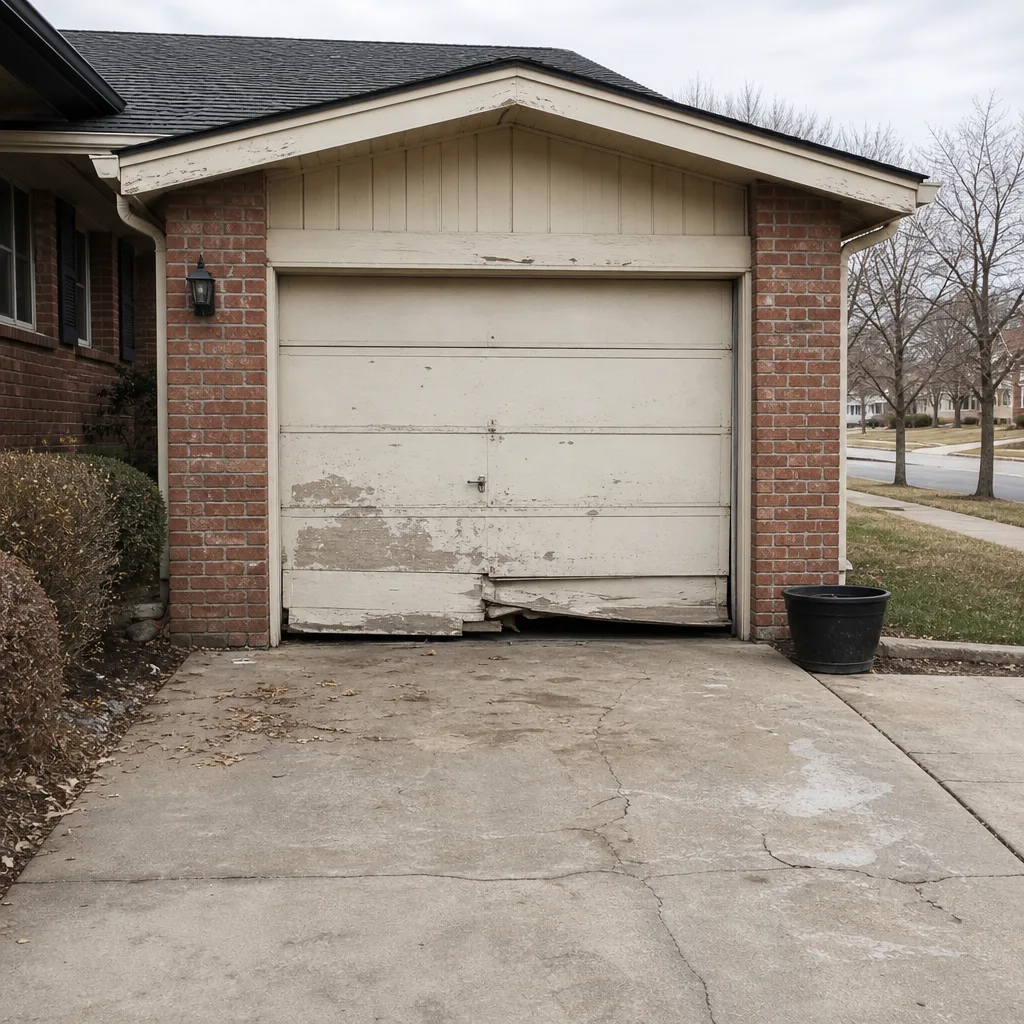
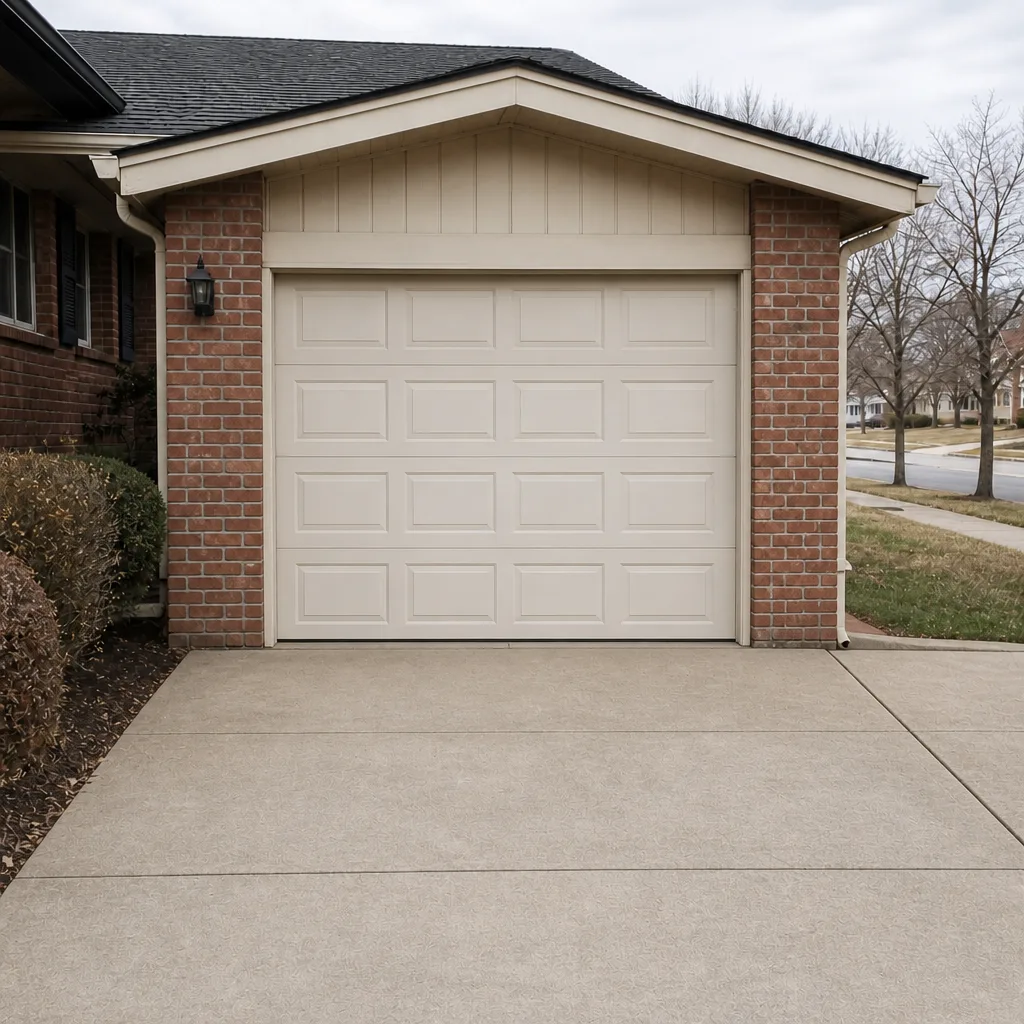
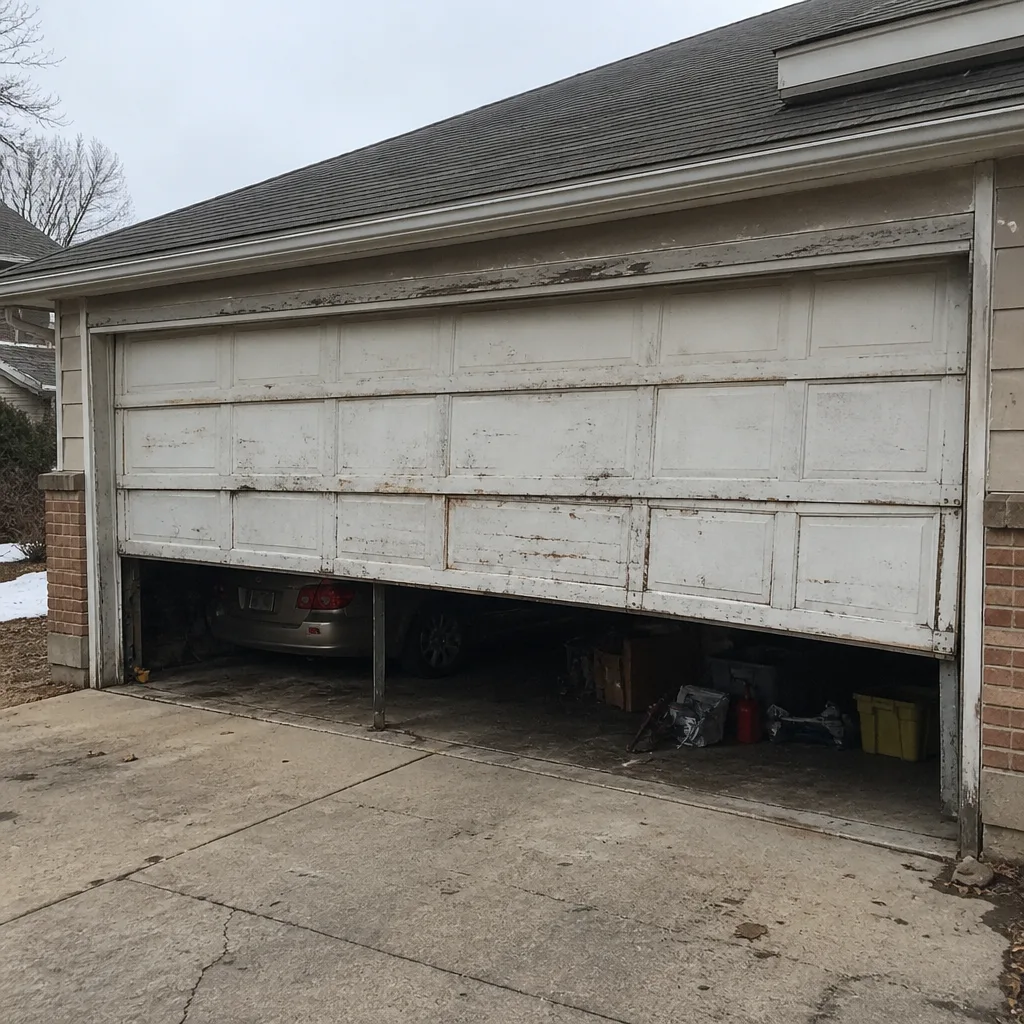
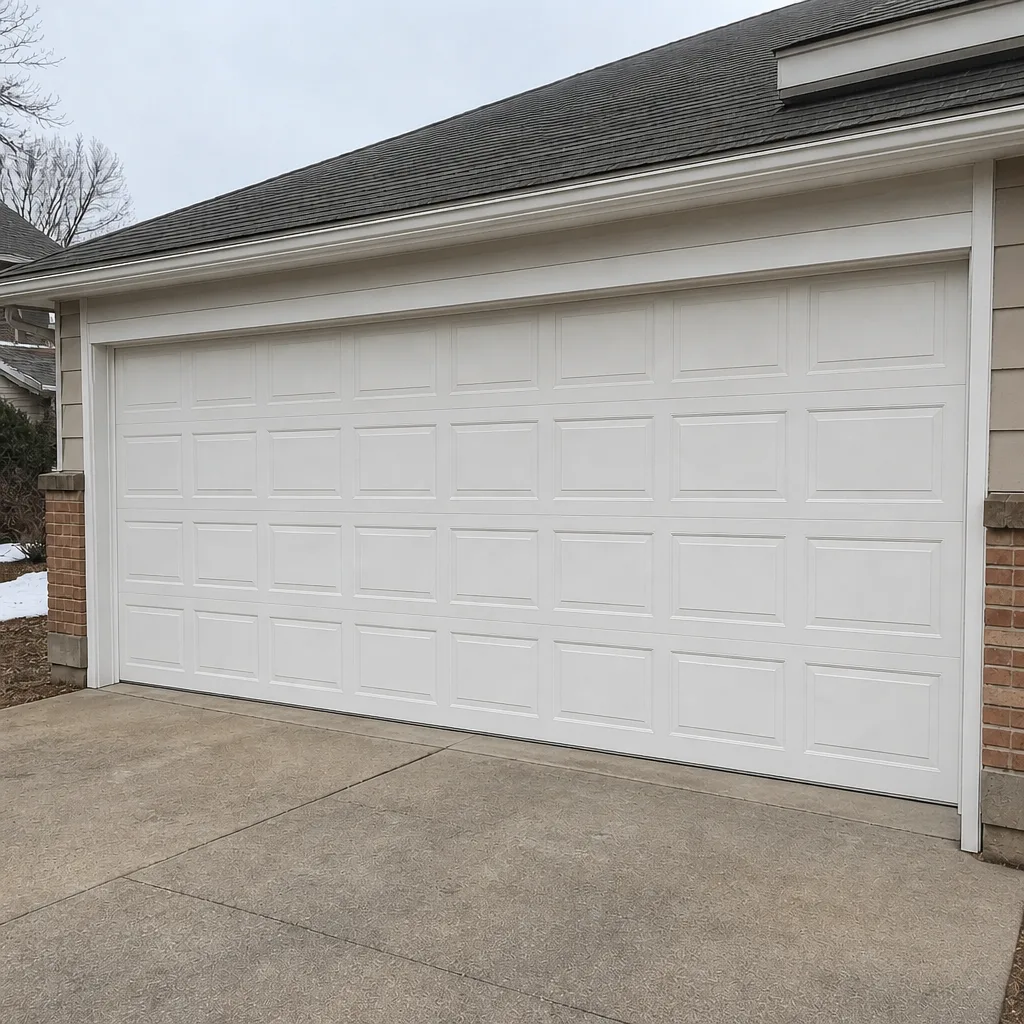
See the difference
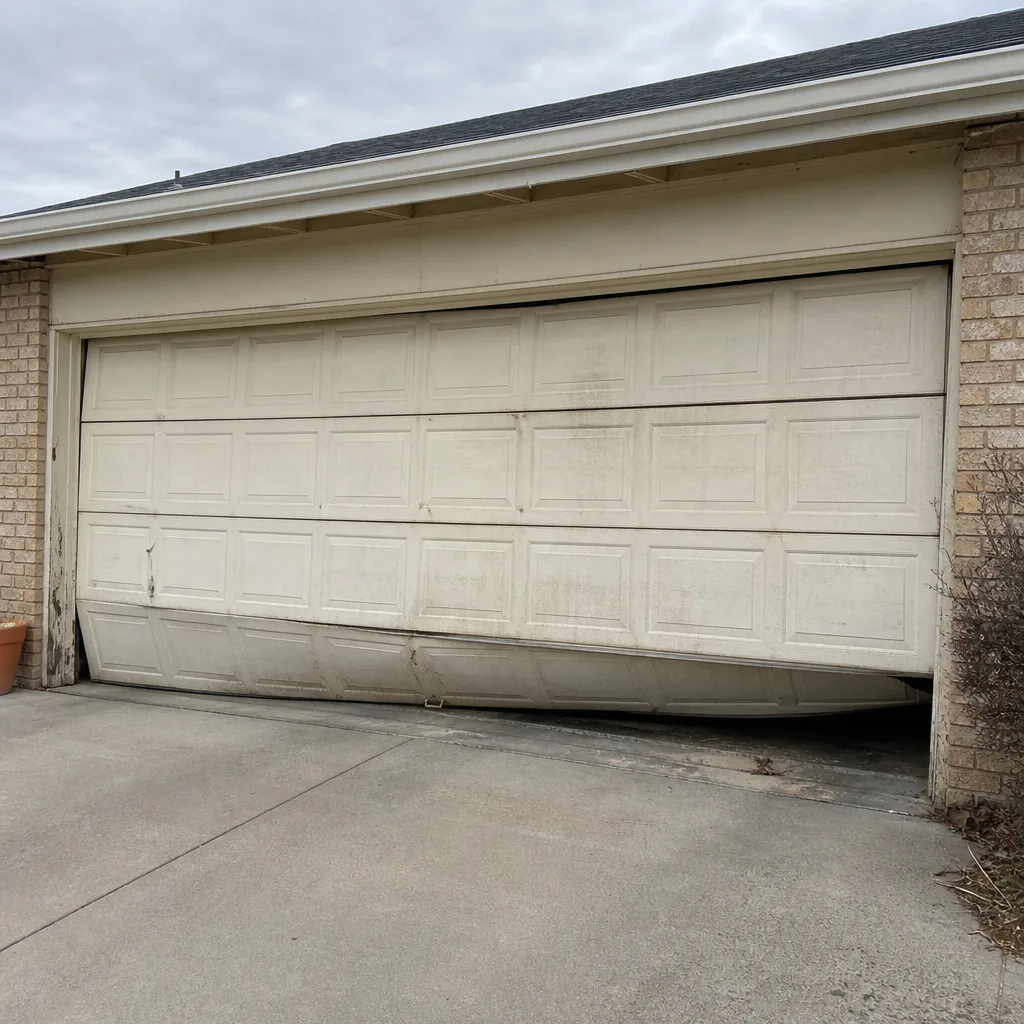 Before
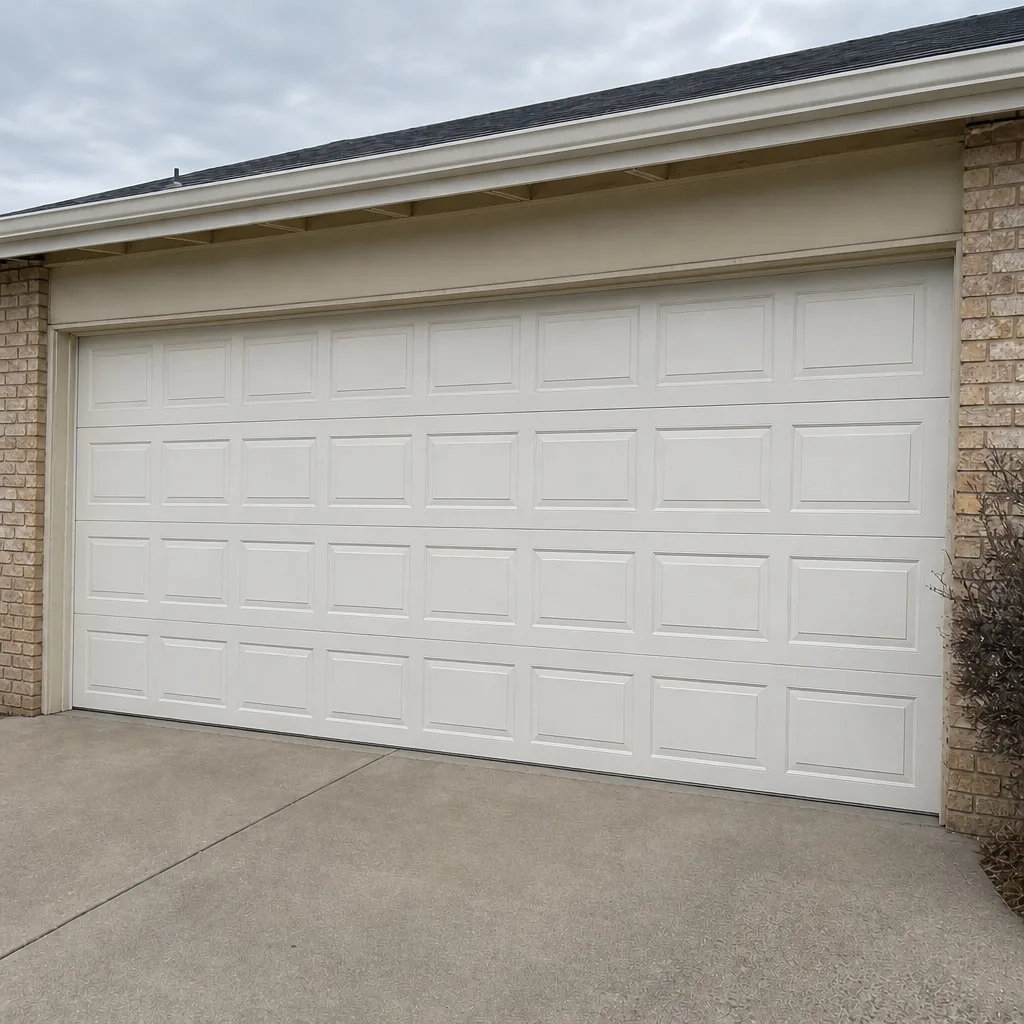 After
 Before
 After
 Before
 After
When to Call a Professional
Call a professional when the scope crosses from cosmetic into structural or electrical: a widened opening, new framing, a new opener circuit, or a fire separation door that needs replacing. Call us too when a door that was previously fine starts binding, when a spring breaks, or when an opener reverses inconsistently – those are repair issues that get worse with time and can turn a small fix into a replacement. And call before a sale if you’re not sure what permits were pulled on garage work done before you owned the house; confirming the record early is cheaper than discovering the gap under contract.
University Park Garage Door Repair Pros offers free estimates in University Park – call (844) 524-3396. We’ll tell you whether your job is exempt or permitted, what the inspection sequence looks like, and what the work will cost before anything starts. No work begins until the price is quoted and agreed.
Frequently Asked Questions
Usually not, if it’s a like-for-like replacement with the same opening size and no structural or electrical changes. A new rough opening, widened opening, framing change, or new opener circuit does require a permit through the local building department. Call (844) 524-3396 and we’ll tell you which side of the line your job falls on – estimates are free.
In most cases, yes, because adding an opener where none existed means adding a new electrical circuit, and that’s electrical work that requires a permit in Denver. Replacing an existing opener on an existing circuit is generally treated differently. The electrical side needs a licensed electrician; the opener installation itself can be handled separately. Call (844) 524-3396 to talk through your setup.
A final inspection typically checks door operation and reversal, the photo-eye safety system, how the tracks and opener are attached to the structure, and the electrical connection. Where a fire separation door applies, the inspector may also confirm the door and its hardware meet the rating requirement. It’s a structural and life-safety check, not a cosmetic one. Call (844) 524-3396 if you need help getting a job inspection-ready.
It can, yes. A buyer’s inspector may flag new framing or wiring that has no permit record, and Colorado’s seller disclosure asks about permits. The seller then faces retroactive permitting, a credit to the buyer, or paying for corrections. Confirming the permit history before listing is the cheaper path. Call (844) 524-3396 if you need work brought up to standard before a sale.
No, the climate doesn’t change permit triggers or inspection requirements – those are set by Denver’s adopted code. It does affect how fast springs, cables, and door panels wear, thanks to dry air and freeze-thaw cycles. A door that’s warped or binding from seasonal movement may be due for replacement, and a same-size swap is often the simpler permitting path. Call (844) 524-3396 to have a worn door evaluated.
It’s a separate code requirement, but it’s part of the same life-safety envelope and often comes up in the same conversation. The door between an attached garage and the living space needs a fire rating, achieved through a solid-core or rated door, a self-closer, and proper sealing. A permit for a garage conversion or structural change will typically require it to be addressed. Call (844) 524-3396 for an assessment.
The Bottom Line
Garage door work in University Park is exempt more often than homeowners expect, but the exceptions are the jobs that carry real liability. Like-for-like replacement is simple. New openings, framing changes, new opener circuits, and fire separation doors are not, and those are the jobs that need a permit, an inspection, and a paper trail. The fire-rated door between the garage and the living space is the code point most people miss entirely. Unpermitted work has a way of surfacing at resale, when the seller is under pressure and the buyer’s inspector is asking questions. Knowing where the line sits before you start is the cheapest insurance you can buy. For a straightforward assessment of what your job requires, our University Park Garage Door Repair Pros team can walk you through it.
Call (844) 524-3396 for a free estimate in University Park. We’ll confirm whether your scope needs a permit, quote the work in writing before anything starts, and handle the installation around the inspection sequence if one applies.
Written by the team at University Park Garage Door Repair Pros.