Last updated November 22, 2026
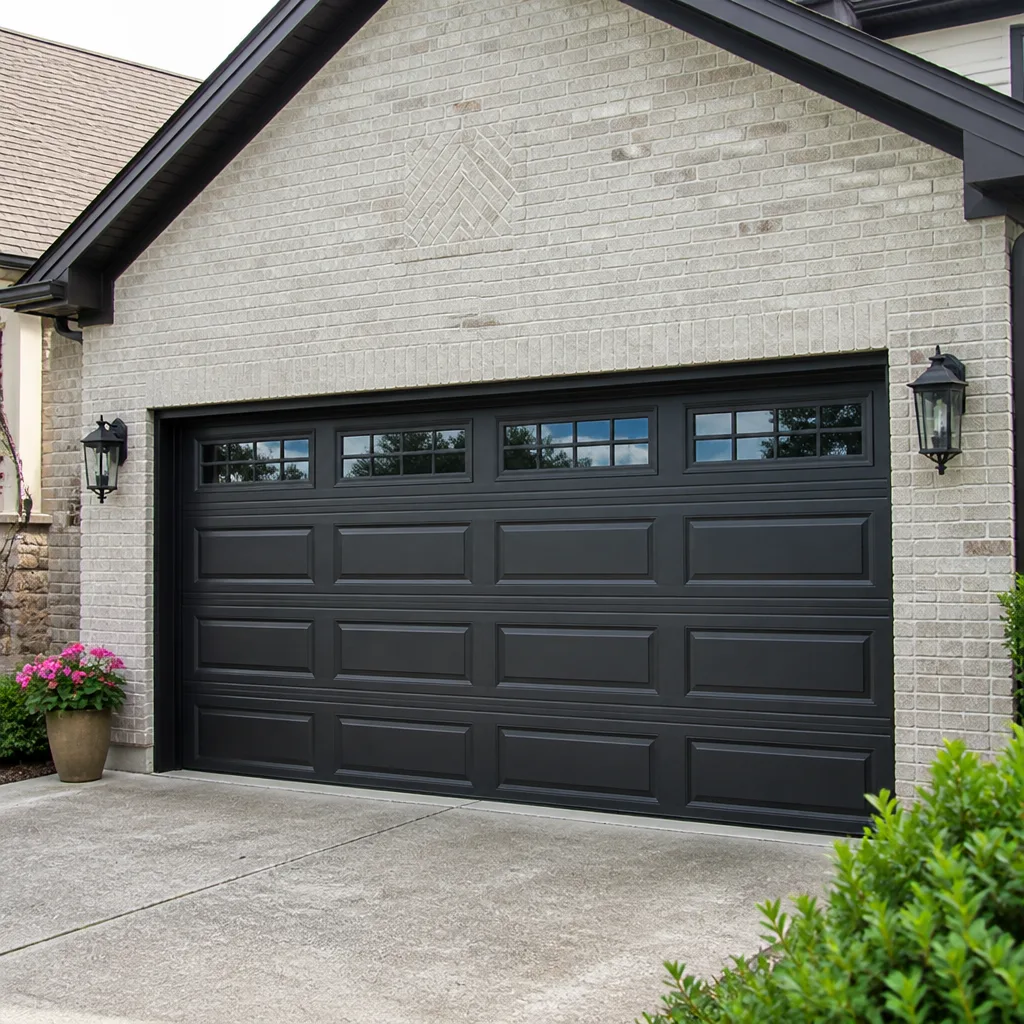 Raised-panel steel
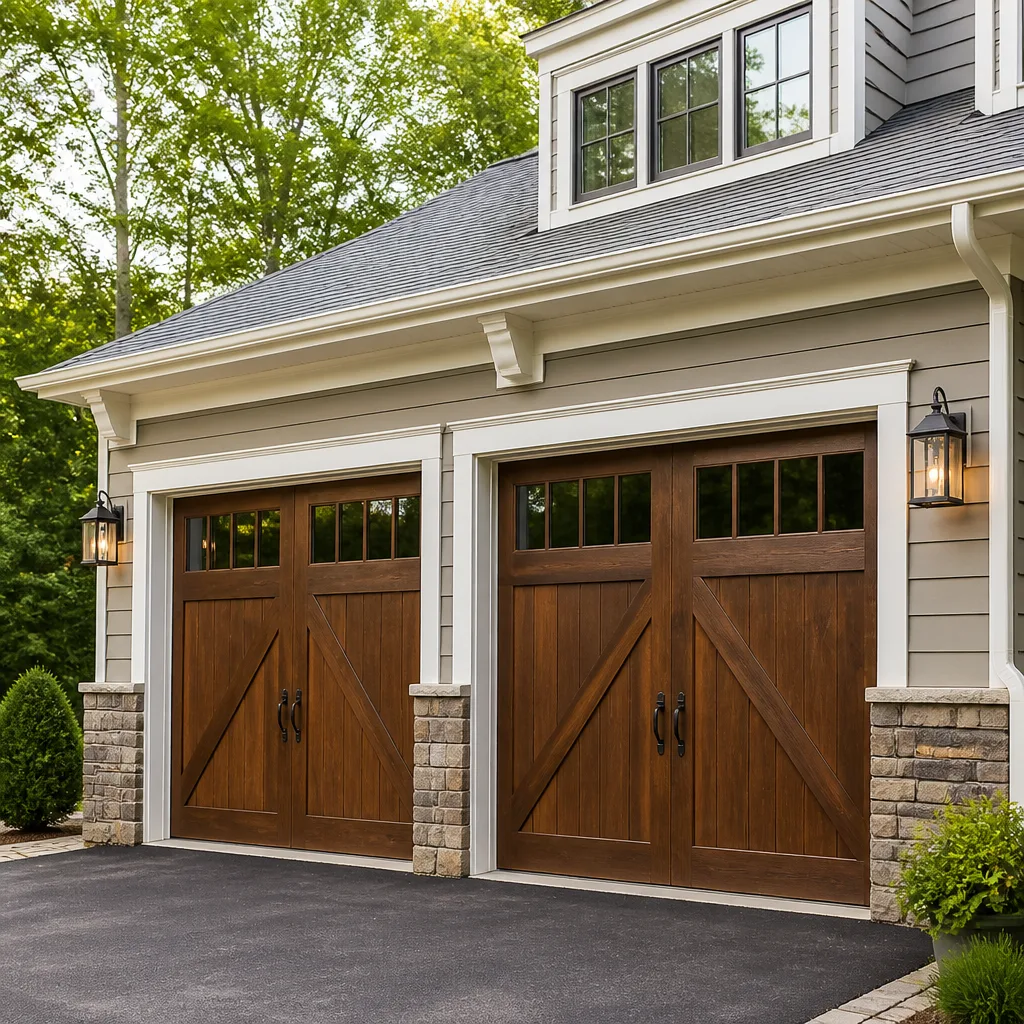 Carriage house
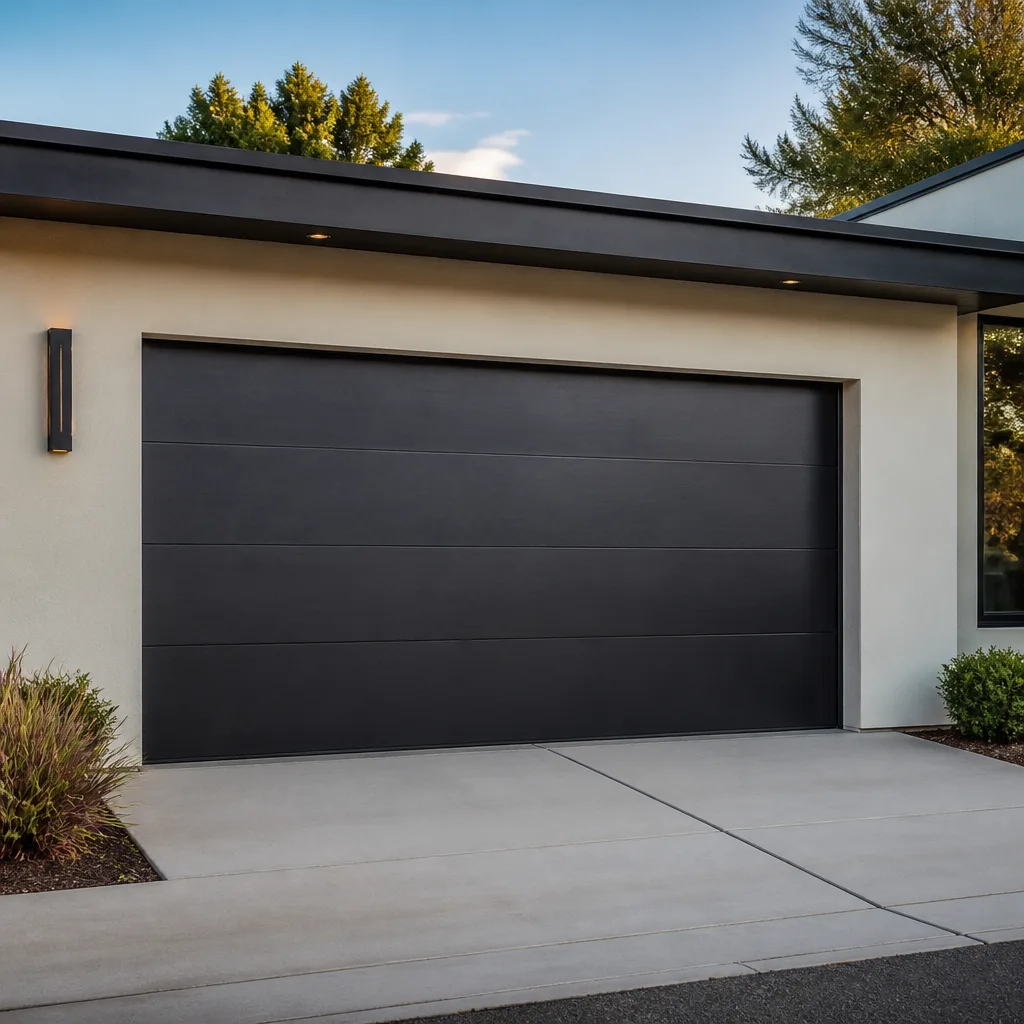 Modern flush
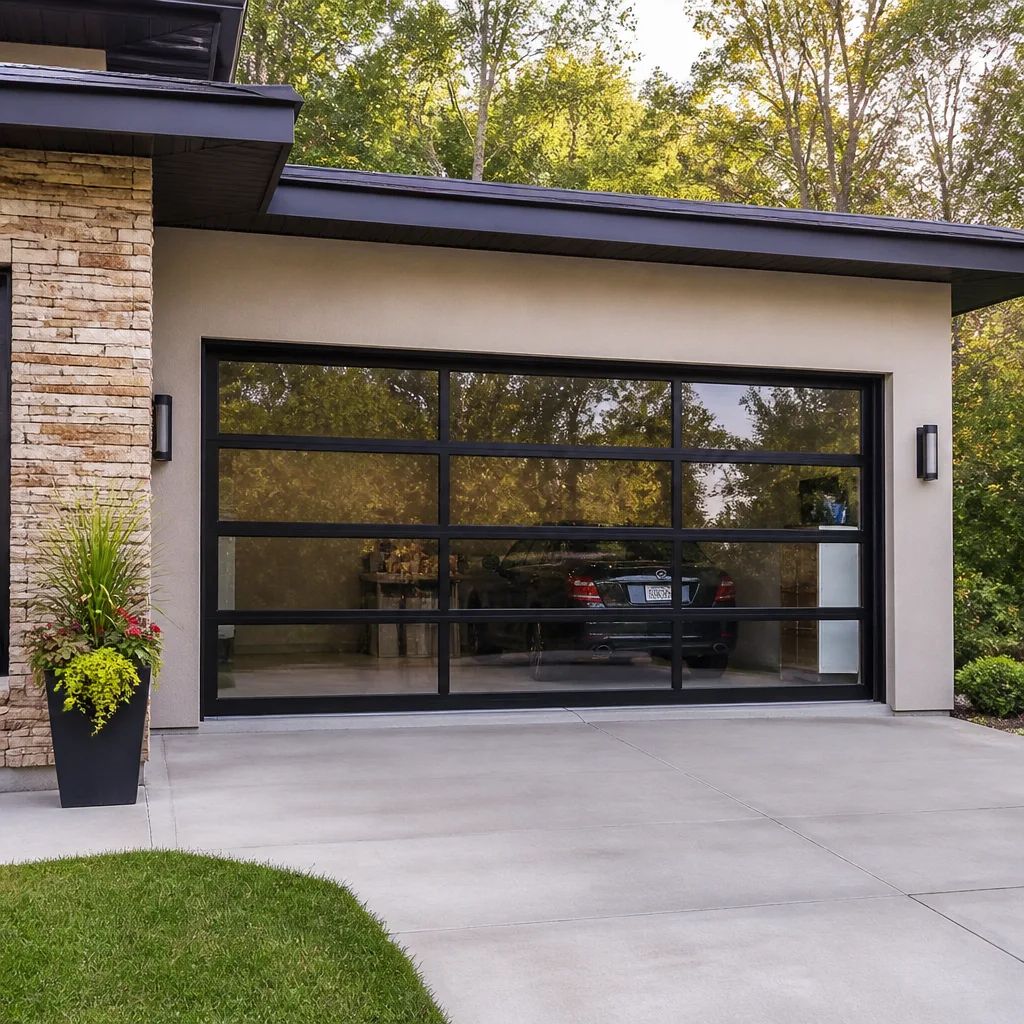 Full-view glass
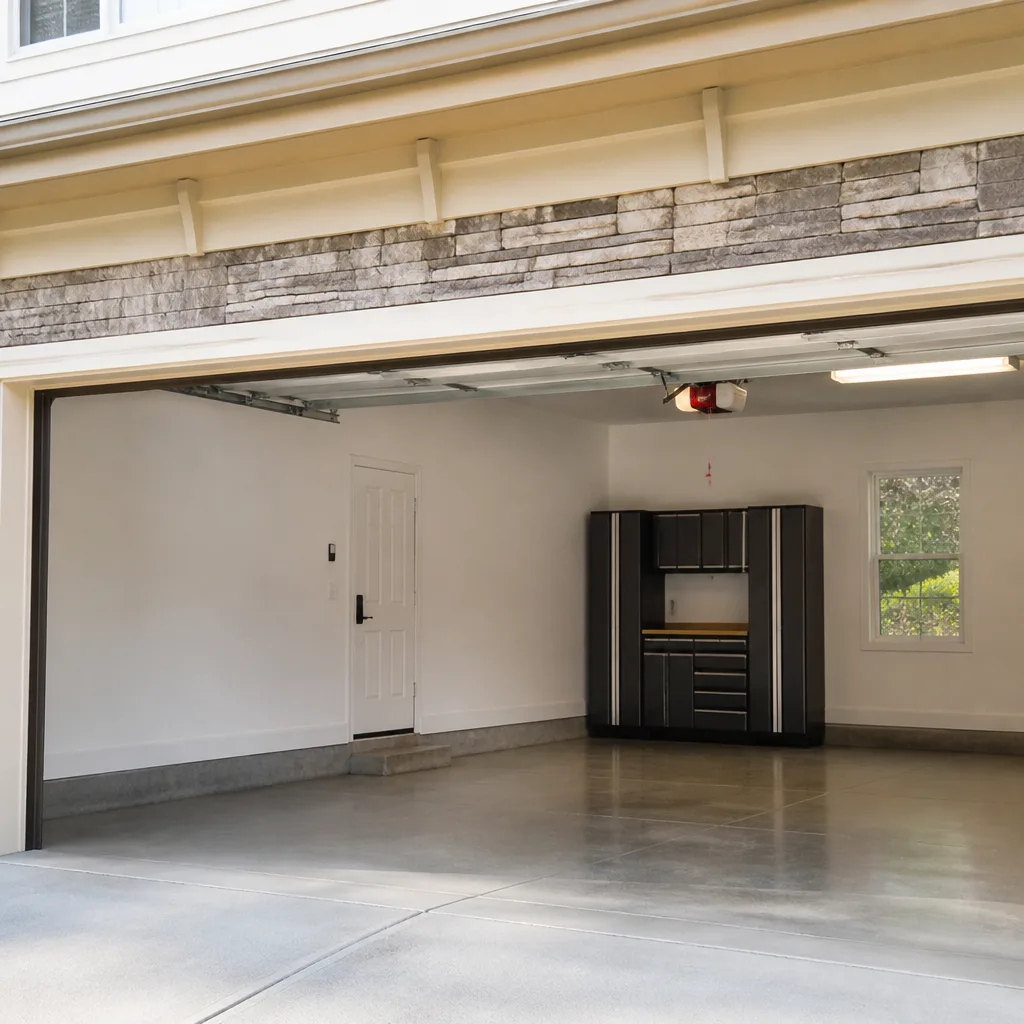 LiftMaster openers
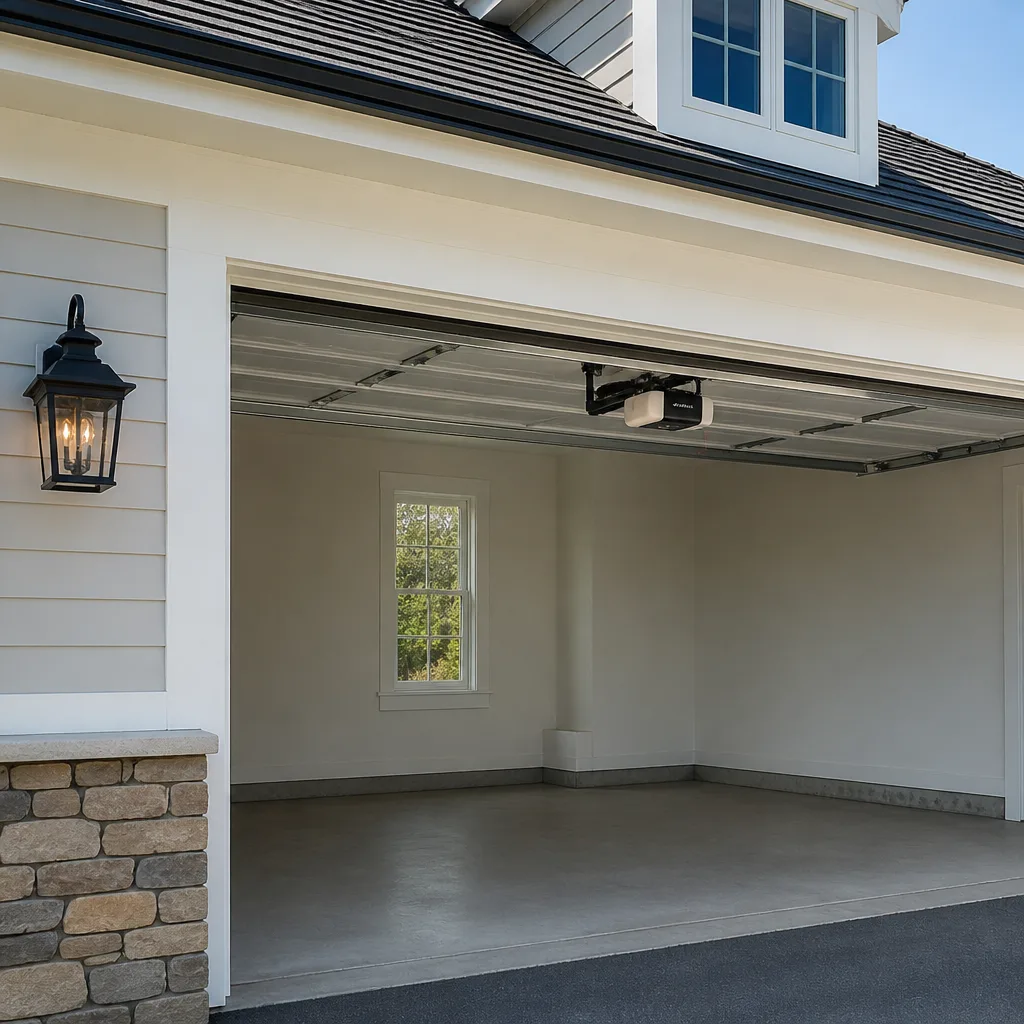 Chamberlain openers
Full 25-point door and opener safety check with every visit - springs, cables, rollers, tracks, and your LiftMaster or Chamberlain opener included
You get a price before we start. It does not change when the pro arrives.
Get your free estimateGarage Door Cost Breakdown: The University Park Homeowner’s Reference for 2026
Most garage door cost guides start with a national average and work backward, which is exactly why they mislead homeowners in University Park. That national number folds in markets where labor runs far cheaper than it does here, and it ignores what Colorado shipping does to heavy components like torsion springs and steel panels. A figure built from averages tells you almost nothing about what your specific door will cost to fix. What actually helps is understanding cost from the components up: what each part does, what it takes to install it in this market, and how the age and brand of your system change the math. That’s what this reference does. By the end, you’ll know how to read an estimate, spot padding, and judge whether a repair or a replacement makes more sense for your garage.
Quick Answer
Garage door repair in University Park typically runs from about $150 for a single small component up to $700 for a multi-part fix like springs plus cables and rollers. A single torsion spring replacement generally falls in the $180 to $340 range for one spring, with a matched pair running about twice that. Full door replacement is a separate category, usually $1,100 to $3,500 installed depending on door size, material, and insulation, and it’s always quoted after an in-person measure.
Styles & brands we work with
- Raised-panel steel
- Carriage house
- Modern flush
- Full-view glass
- LiftMaster openers
- Chamberlain openers
Table of Contents
- Why National Averages Fail in University Park
- Component-Level Pricing: What Each Repair Actually Costs
- How Your Door’s Brand and Age Change the Price
- Repair or Replace? A Breakeven Formula That Actually Works
- Cost Variables You Control as a Homeowner
- What a Legitimate Itemized Invoice Looks Like
- How Colorado Seasons Affect Garage Door Costs
- Questions to Ask Before You Approve Any Quote
Why National Averages Fail in University Park
National cost guides are built from surveys that weight every market equally, and that’s the first problem. Labor in University Park and the surrounding metro runs meaningfully above the national midpoint, which pushes every labor-heavy job higher here than a generic table suggests. Springs, cables, and opener diagnostics are mostly labor, so they’re the jobs where the gap shows up most.
The second issue is material logistics. Garage door components are heavy and shipped from a limited number of manufacturing hubs, and freight into Colorado adds cost that a guide written from coastal or Midwest pricing doesn’t reflect. Torsion springs, reinforced panels, and complete door sections all carry that overhead. A Clopay or Amarr door ordered for a University Park home costs more to land here than the same door delivered two states closer to the factory.
Then there’s the local housing pattern. Attached garages are the norm across University Park’s residential blocks, which means most garage doors here are insulated, sized for daily vehicle use, and tied to openers that get heavy cycles. Doors that work harder fail in predictable ways, and the repair mix reflects that. You’ll see more spring and opener wear than you would in a neighborhood where the garage sits detached and gets lighter use.
One more factor worth naming: the housing stock spans several decades. Some garages hold current LiftMaster or Chamberlain openers with modern safety reversing systems. Others still run legacy Genie units or older Wayne Dalton doors whose parts have thinned out in the supply chain. That spread is why a single “average cost” number can’t describe University Park accurately. The same visible symptom, a door that won’t open, can cost very different amounts depending on what’s actually inside the garage.
What this means for you: treat any guide that leads with a flat national average as a starting orientation, not a quote. The real number comes from identifying your specific system. That’s the difference between a diagnosis and a guess, and it’s the approach we take when we look at a door in University Park.
Component-Level Pricing: What Each Repair Actually Costs
Building a cost from components is more useful than comparing total averages, because it shows you where the money actually goes. The table below gives typical estimated ranges for common garage door repairs in University Park in 2026. Treat these as orientation figures. Your written estimate, given after we see the door and confirm the parts, sets the final price.
- Torsion spring replacement (one spring): $180 to $340
- Torsion spring replacement (matched pair): $340 to $620, since springs are almost always replaced as a pair
- Extension spring replacement (per spring): $140 to $260
- Cable replacement (per side): $120 to $220
- Roller replacement (full set): $130 to $250
- Bottom seal or weather seal replacement: $110 to $210
- Panel replacement (single section): $250 to $650, depending on material and finish
- Opener repair or component replacement: $150 to $400
- Full opener replacement (unit plus install): $420 to $850
- Safety sensor or photo-eye alignment: $95 to $180
- Track realignment or bracket repair: $140 to $320
Springs deserve a note of their own, because they’re the repair homeowners ask about most and the one most likely to be quoted badly. Torsion springs store enormous energy, and a spring under load can cause serious injury if handled without the right tools and training. Spring repair is a safety job, not a weekend project. The price reflects the risk and the precision, not just the part. You can read more about how we approach that work on our garage door spring repair page.
Cables carry similar tension and often fail alongside springs, which is why a careful diagnosis looks at both at once. Replacing a spring without checking the cables on a door that’s seen heavy cycles often means a second visit and a second bill. We’d rather quote the full picture once than hand you a narrow estimate that grows.
Openers are their own category. A logic board failure on a LiftMaster or Chamberlain unit is a different job than a stripped gear on an older Genie, and the parts cost differs accordingly. If your opener is the problem rather than the door, our garage door opener repair page covers the diagnostics in more detail.
How Your Door’s Brand and Age Change the Price
Two doors with the identical problem can cost different amounts to fix, and the reason usually comes down to brand and age. Parts availability drives it. A current Clopay or Amarr door uses components that are still in active production, which keeps both the part price and the wait time reasonable. Older systems are a different story.
Legacy Genie openers, for instance, may need a gear or logic component that’s no longer stocked everywhere. Older Wayne Dalton doors can require panel matches that are hard to source because the profile has changed. When a part has to be tracked down across brands, the job takes longer but it still gets done in one visit more often than it would at a shop that only carries a single manufacturer’s line. That cross-brand reach is one reason parts availability matters as much as labor rate when you’re comparing estimates.
Here’s how age and brand typically affect cost:
- Current systems (roughly the last decade): Parts are in production, priced predictably, and usually available for the first visit. Repair costs stay near the low-to-mid end of the ranges above.
- Mid-age systems (older but still supported): Some components are on their way out of production. Expect mid-range pricing and occasionally a short wait on a specific part.
- Legacy systems (older Genie and similar): Parts may be scarce or only available aftermarket. Costs drift toward the higher end, and the question of repair versus replace starts to matter more.
- Brand ecosystem matters for openers: A LiftMaster or Chamberlain unit with smart-home features has different diagnostics than a plain legacy opener. Knowing the ecosystem shortens the diagnostic time and keeps the bill honest.
This is why we ask for the brand and model before we arrive when we can. If you know whether your door is a Clopay, an Amarr, a Wayne Dalton, or a Genie, tell us. It doesn’t replace a proper diagnosis, but it points us at the right parts before we walk in, which is how a repair gets done right the first time instead of turning into a callback.
One practical takeaway: don’t assume an older door automatically needs replacing. Plenty of mid-age systems have years left once the failing component is properly identified. The brand-name knowledge matters here, because a generalist who doesn’t know the difference between a Genie gear assembly and a LiftMaster logic board will guess. We work on your brand, which means we diagnose it rather than guess at it.
Repair or Replace? A Breakeven Formula That Actually Works
The repair-versus-replace decision is where cost guides tend to get vague, usually landing on something like “if repairs exceed half the cost of a new door, replace it.” That’s a salesperson’s rule of thumb, not a calculation. Here’s a better way to think about it, built from the components up.
The formula: add up the estimated cost of the repairs you actually need now, plus the likely repairs over the next two to three years based on the door’s age and condition. Compare that total against the installed cost of a new door, adjusted for the energy and reliability value you’d gain. If the repair total approaches or exceeds the replacement cost, replacement wins. If it’s well under, repair wins. The trick is being honest about the “likely repairs” part, which is where a real diagnosis helps.
A worked example makes it concrete. Say your door needs a spring pair (mid-range), a set of rollers, and a cable, and it’s on a legacy system where parts are getting scarce. Add the probable opener work over the next couple of years, and the running total climbs toward the lower end of a new-door install. At that point replacement is worth discussing. But if the same door just needs springs and a roller set on a system with plenty of life left, repairing is clearly the right call, and pushing a new door would be an upsell.
When replacement tends to make sense:
- The door structure itself is damaged, not just the moving parts
- Parts for your legacy system are scarce enough that repairs get expensive and slow
- You’re facing multiple major repairs in a short window
- The door is under-insulated for an attached garage that sees daily use
- Safety systems on an old opener can’t be brought up to current standards
When repair usually wins:
- A single component failed on an otherwise sound door
- The system is current and parts are readily available
- The door is structurally intact and just needs maintenance-level work
- Replacement cost would be more than double the repair
If replacement does come out ahead, the price gets built after a measure, not before. A new door has to fit the opening exactly, and installed cost depends on size, material, and insulation. We quote it in writing once we’ve measured, and you can see how that process works on our garage door installation page. No same-day promise on an install, because the work is measured, ordered, and scheduled. What you get up front is a written price, agreed before anything starts.
Cost Variables You Control as a Homeowner
Not every cost is fixed. Several variables sit in your hands, and knowing them helps you get a fairer price without cutting corners on safety.
Same-day emergency pricing versus a scheduled appointment. If a door fails and you need it working right away, emergency scheduling can carry a premium because it reshuffles the day. If the door is still secure and you can wait for a scheduled visit, you’ll often land a lower labor rate. Neither is wrong. The trade is speed against price, and it’s your call. What we won’t do is quote a number before the work starts and change it after. The price is agreed before we begin, whether it’s an emergency call or a planned one.
OEM versus aftermarket parts. Original equipment parts match your system exactly, which matters most on openers and doors still under factory support. Aftermarket parts can cost less and work fine for certain components, like a basic roller or a seal, but the fit and longevity vary. We’ll tell you which category a given part falls into and let you decide. The wrong place to save is on springs and cables, where a low-grade part is a safety question, not a bargain.
How much you tell us up front. Brand, model, and a clear description of the symptom shorten the diagnostic time. That saved time can come off the bill. A vague “it’s broken” costs more to sort out than “the door goes up a foot then reverses.”
Bundling related work into one visit. If your springs are failing and your rollers are worn, doing both in a single visit saves a trip charge and labor overlap. This isn’t a sales tactic, it’s arithmetic. We’ll point out related wear when we see it so you can decide whether to handle it now or later.
Keeping up with basic maintenance. Lubrication, balance checks, and prompt attention to small noises keep the big failures away. A door that gets looked after needs fewer emergency calls, and fewer emergency calls means lower lifetime cost. This is the cheapest variable of all, and it’s entirely in your control.
What a Legitimate Itemized Invoice Looks Like
An estimate that bundles labor and parts into one lump number hides where the money goes, and that’s usually deliberate. A legitimate itemized estimate separates the parts from the labor so you can see what you’re paying for. Here’s what to expect on a fair one.
- Part line items with description and quantity. “Two torsion springs, matched pair” is itemized. “Spring work” is not.
- Labor shown separately from parts. You should be able to see the labor portion, not have it buried inside a parts number.
- Any trip or diagnostic charge called out clearly. If there’s a fee to come out, it’s named, not slipped into the total.
- Written price agreed before work starts. The number you approve is the number that holds. That’s the whole point of a written estimate.
- No surprise line items added after the fact. If the diagnosis turns up something new mid-job, that gets discussed and approved first, not tacked on at the end.
Watch for these warning signs in a quote:
- One total number with no breakdown of parts versus labor
- Parts described in vague terms like “premium spring kit” without a size, material, or quantity
- A verbal price with no written confirmation
- Labor folded into the parts price so you can’t compare it
- A push toward a full replacement before a proper diagnosis of the actual fault
A fair estimate stands up to a second look. If a number can’t survive a question about what’s in it, that tells you something. We’d rather show you the breakdown than hide behind a lump sum, because a homeowner who understands the invoice makes a better decision, and a repair done right the first time is the goal.
How Colorado Seasons Affect Garage Door Costs
Garage doors here work under conditions that stress different parts at different times of year, and that shows up in what fails and when. It’s worth understanding, because it shapes the repair mix you’re likely to face.
Winter cold tightens metal and stiffens lubricants, which puts extra load on springs and can turn a marginal spring into a broken one. Doors that pull hard in cold weather are telling you something. Cables and springs are the usual winter failures. If your door has been stiff through the cold months, a balance and tension check before the heavy season is cheaper than an emergency call in the middle of it.
Summer heat and the swing between seasons work on seals and weather stripping, which dry out and crack. The bottom seal that keeps Colorado dust and cold air out is a modest repair when handled early, and a draftier, costlier problem when ignored. Rollers also wear faster on doors cycling daily in a climate with real temperature swings.
The practical point: seasonal timing changes which components are under stress and how urgent the repair is, but it doesn’t change the underlying rule that the written estimate sets the price. Whether your door fails in a cold snap or a warm stretch, the price is quoted and agreed before any work starts. What you can control is getting ahead of predictable wear instead of waiting for a failure.
We service the full range of brands found in University Park garages, from Clopay and Amarr doors to LiftMaster, Chamberlain, and Genie openers, so the seasonal repair mix doesn’t catch us short on parts. That’s part of why a repair can usually be completed in one visit rather than waiting on a back-ordered component.
Questions to Ask Before You Approve Any Quote
A short list of questions separates a real estimate from a rough guess. Ask them before you say yes to anything.
- What’s the brand and model of the part you’re quoting? A specific answer shows the person knows your system. A vague one doesn’t.
- Is this one price for parts and labor together, or can I see the breakdown? You’re entitled to the itemized version.
- Will replacing this component reveal anything else that needs work? Honest answers acknowledge related wear without turning it into a scare tactic.
- Is the price I’m quoted the price I’ll pay, assuming no new findings? The written estimate should hold. If new findings appear, they get approved first.
- Are you bringing the parts, or will this need a second visit? Parts availability across brands is what keeps it to one visit.
These questions aren’t adversarial. A technician who knows the system will welcome them, because they lead to a better diagnosis and a repair that stays fixed. The discomfort comes from the other kind of quote, the one that can’t answer any of them. If you’re in University Park and want a straight answer to all five before anything gets touched, that’s a conversation we’re glad to have.
Common Mistakes to Avoid
- Anchoring to a national average. A number built for markets with cheap labor won’t reflect University Park’s rates or Colorado material costs. Build your expectation from the components and your specific system, then compare it against the written estimate you get.
- Letting a bundling quote hide the breakdown. If labor and parts arrive as one number, you can’t judge the markup. Ask for itemization before you approve, and use it to compare quotes fairly.
- Replacing one spring when the pair is due. Springs are usually replaced as a matched pair because they’ve cycled the same amount. Swapping one can leave you back on the phone soon after. The pair costs about twice one spring, and it’s the honest call.
- Accepting a replacement pitch before a real diagnosis. Upselling a new door for a fixable component is the most common way homeowners overspend. A proper diagnosis comes before any talk of replacement.
- Choosing the cheapest spring to save money. Springs and cables are safety components. A low-grade part is not a bargain when it’s holding your door under tension. This isn’t the place to cut corners.
- Ignoring related wear during a repair visit. A failing roller caught during spring work is a small add. Missed, it’s a fresh trip charge and a repeat invoice later.
- Assuming an older door needs replacing. Plenty of mid-age Genie and older Wayne Dalton systems run years more once the right part is found. Availability, not age alone, decides.
See the difference
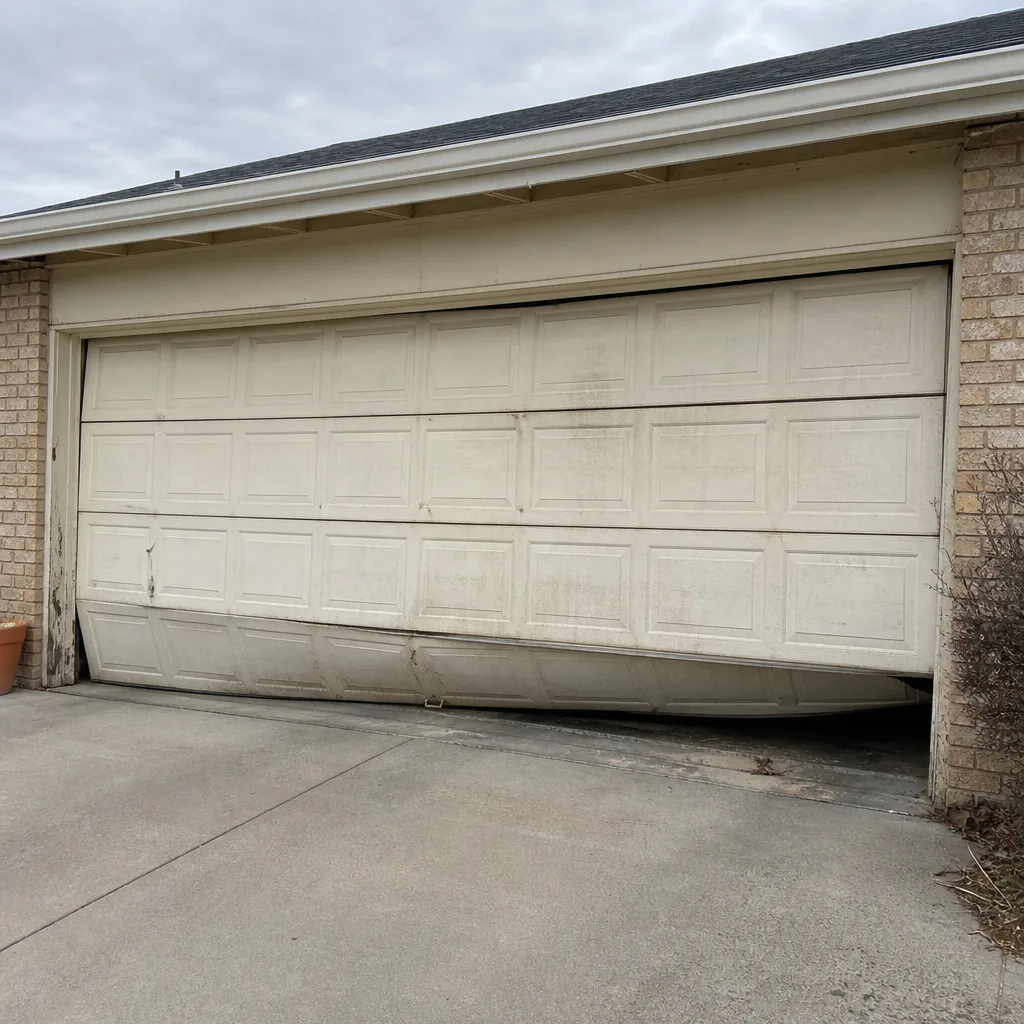 Before
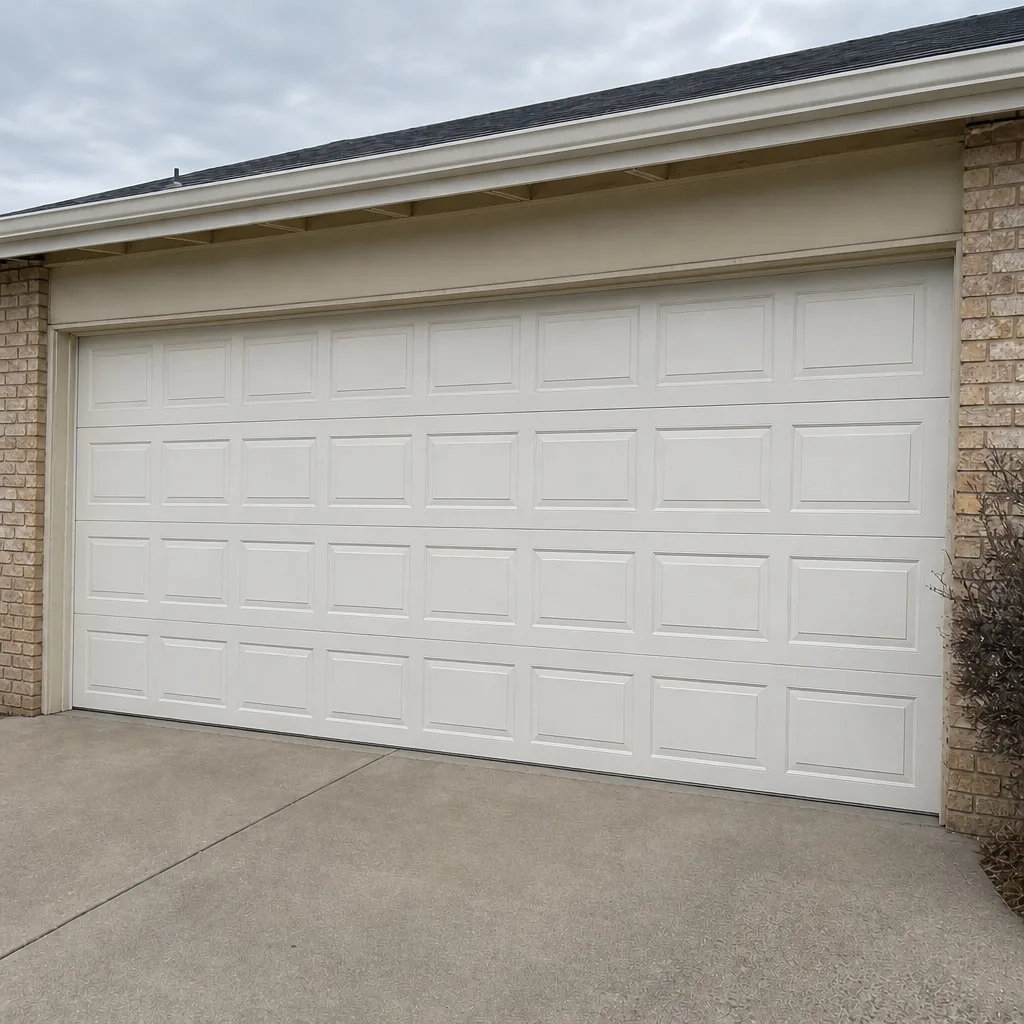 After
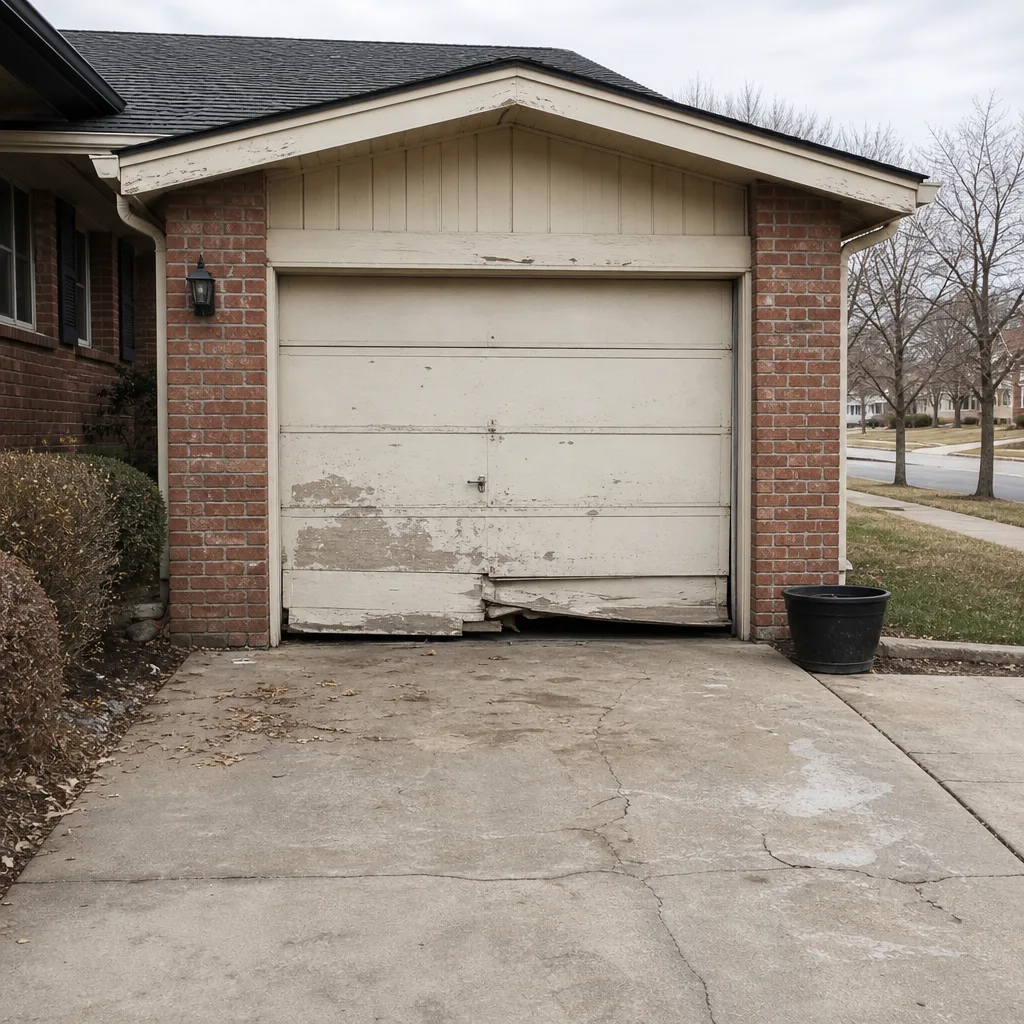 Before
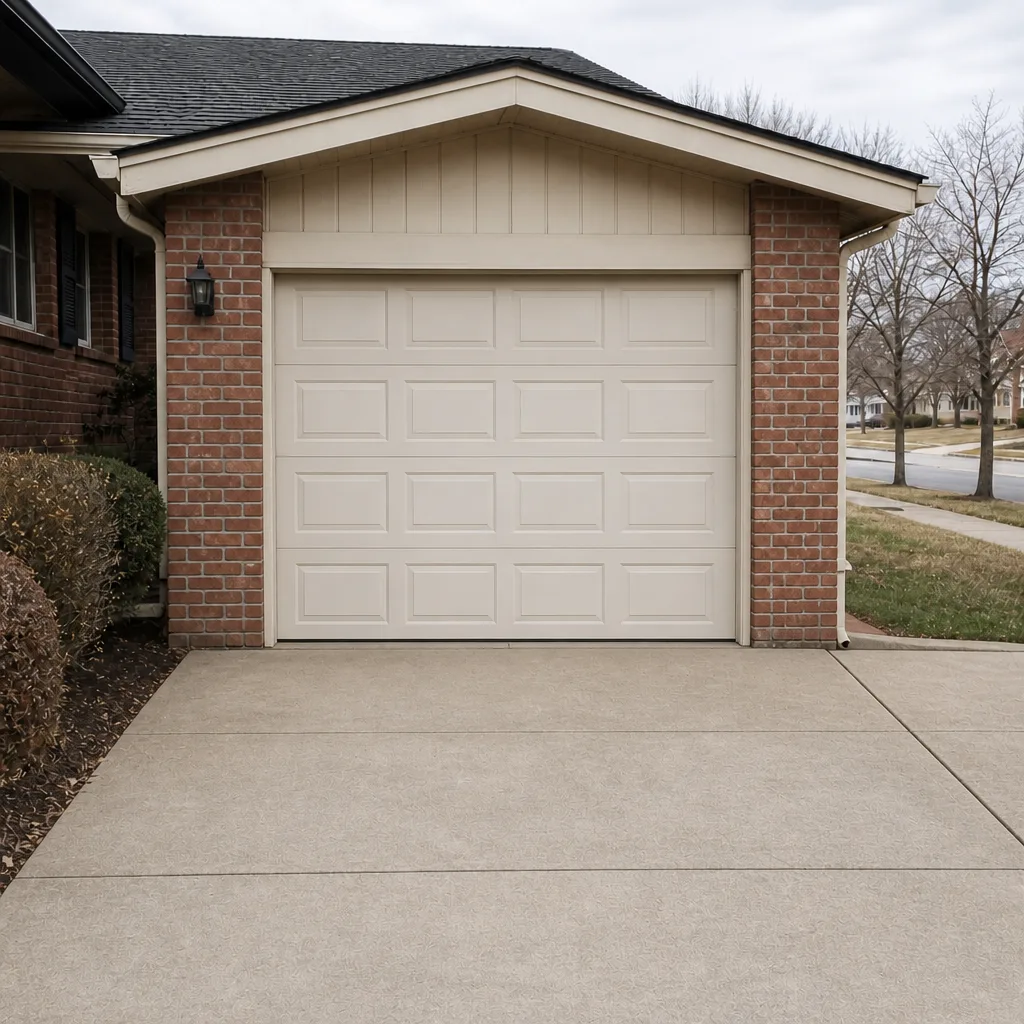 After
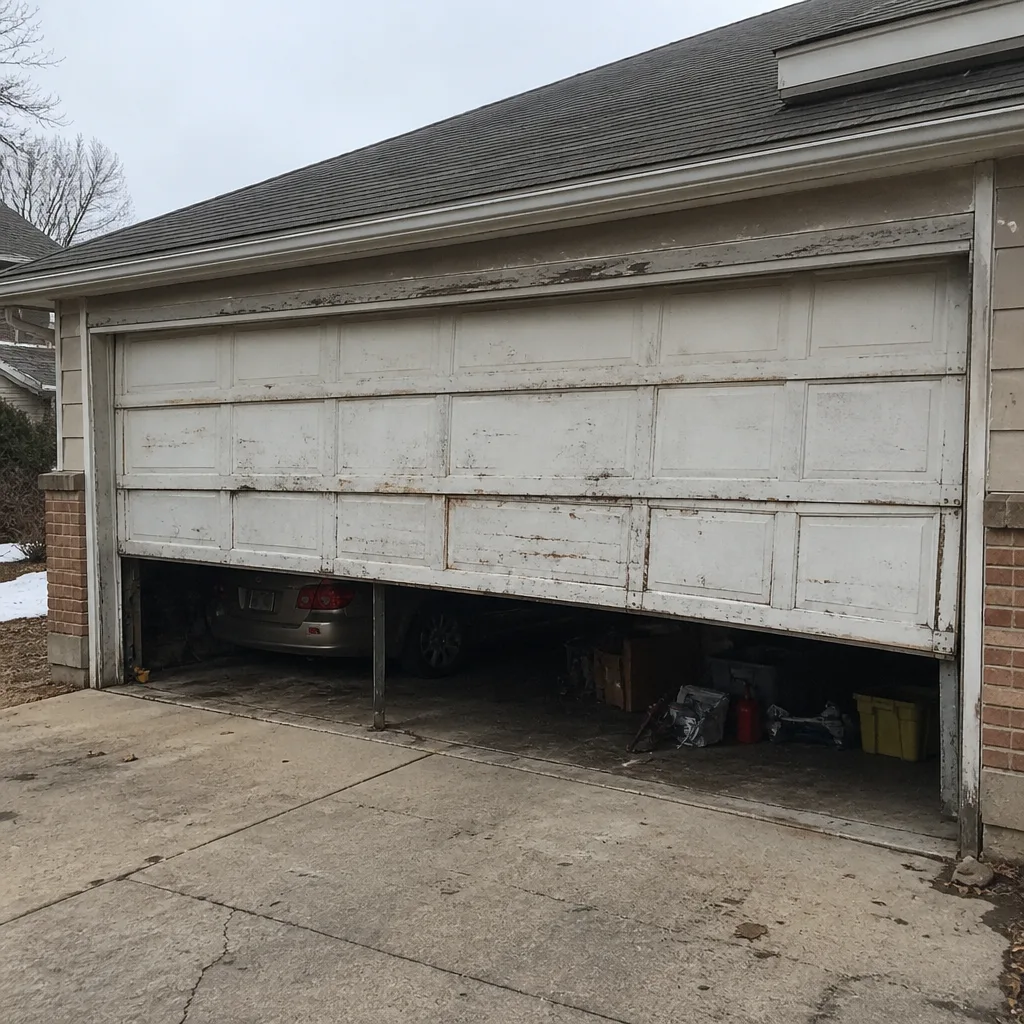 Before
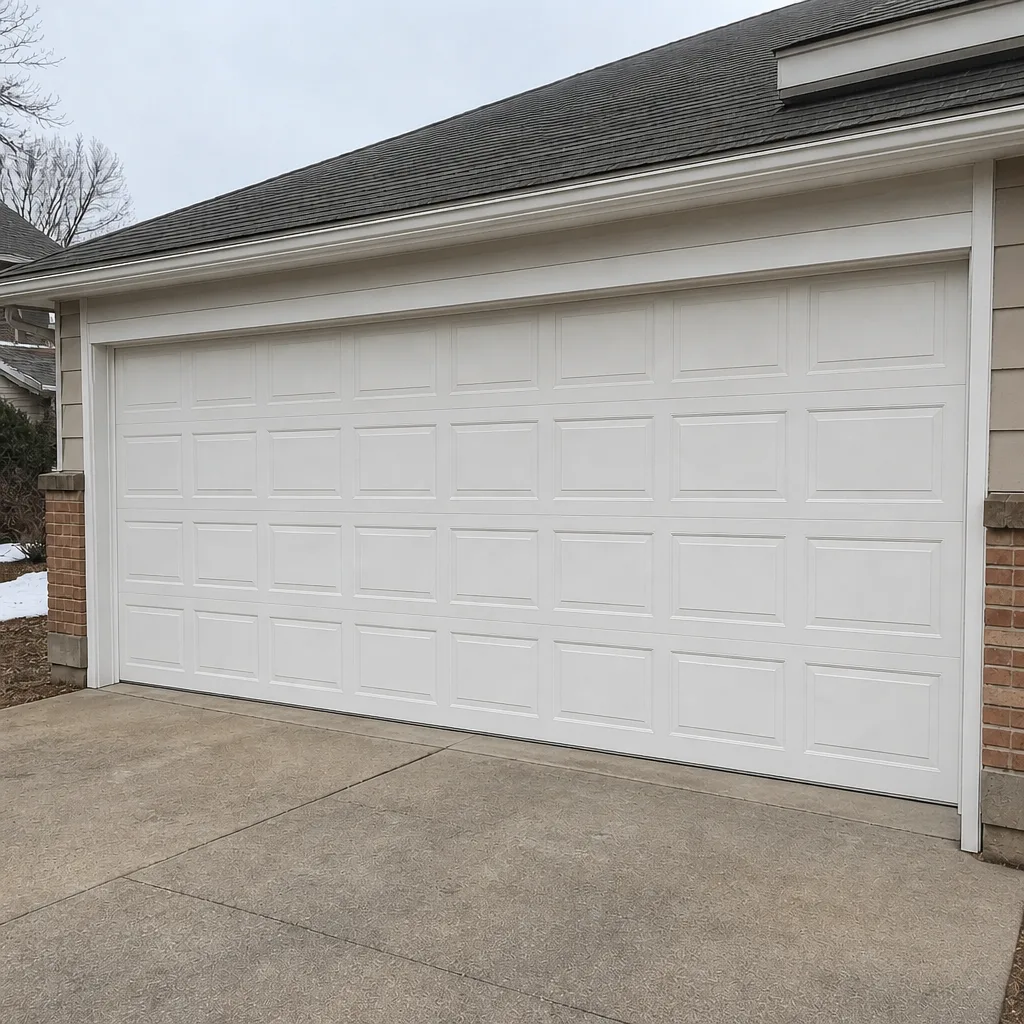 After
When to Call a Professional
Some failures are obvious, and some are quiet. Call a professional when a spring breaks, when the door is visibly uneven or off its track, when cables look frayed or slack, or when the opener runs but the door doesn’t move. Call before attempting anything with torsion springs or cables, because those are under heavy tension and a mistake can cause serious injury. Call when the door reverses for no reason or the safety sensors won’t align, since that’s a genuine safety issue for anyone under the door. And call when you’re facing a big-ticket decision and want a real diagnosis before committing to repair or replacement. University Park Garage Door Repair Pros offers free estimates in University Park. Call (844) 524-3396 and we’ll give you a straight answer on what your door actually needs, and what it should cost.
Frequently Asked Questions
Garage door repair in University Park typically ranges from about $150 for a single small component to around $700 for a multi-part fix like springs, cables, and rollers together. One torsion spring usually runs $180 to $340, with a matched pair about twice that. These are typical estimates, and your written quote sets the final price. Call (844) 524-3396 for an exact quote, since estimates are free.
Two main reasons: local labor rates run above the national midpoint, and Colorado material shipping adds cost to heavy components like springs and door panels. National guides often weight cheaper markets, so they undershoot here. Building your expectation from the components gives you a truer picture than any single average.
For repairs, yes, same-day service is often possible, with fast dispatch through the usual daytime hours, and we’ll schedule for Sunday if a door fails on a Saturday. We’re closed on Saturdays. For a new door install, the work is measured, ordered, and scheduled rather than same-day. Call (844) 524-3396 and we’ll tell you the soonest we can get to you.
No, the written estimate holds. We inspect, diagnose, and quote before any work starts, and if a new finding turns up mid-job, we discuss and get your approval before touching it. The number you agree to is the number that stands.
The local professionals we connect you with are licensed and insured as their state requires. Our technicians have up to 11 years of experience and are trained across major brands like Genie, Clopay, Amarr, and Wayne Dalton, so the diagnosis matches the system in your garage.
Repair if the failed component is a single part and the door structure is sound. Replacement starts to win when parts for a legacy system are scarce and you’re facing multiple major repairs in a short window. The honest answer comes from a diagnosis, not a rule of thumb. Call (844) 524-3396 and we’ll walk through the math with you.
The Bottom Line
The right way to think about garage door cost in University Park is from the components up, not from a national average down. Know what each part costs, understand how brand and age affect parts availability, and use a breakeven check rather than a salesperson’s rule of thumb when repair and replacement compete. Then read your estimate for what it reveals: itemized parts, separated labor, and a written price agreed before work starts. That combination is what protects you from both overspending on unnecessary replacement and underpaying on a job that gets half-done. If a quote can’t answer the basic questions this guide covers, look elsewhere. If it can, you’re already ahead. For any garage door work across University Park, start with University Park Garage Door Repair Pros and get a clear, written answer before anything is touched. You can also see how we handle everyday fixes on our garage door repair page, and our full service and parts range rounds out the picture.
Call (844) 524-3396 for a free estimate. We’ll diagnose your system, quote the work in writing, and leave the final price decision with you.
Written by the team at University Park Garage Door Repair Pros.