Last updated November 22, 2026
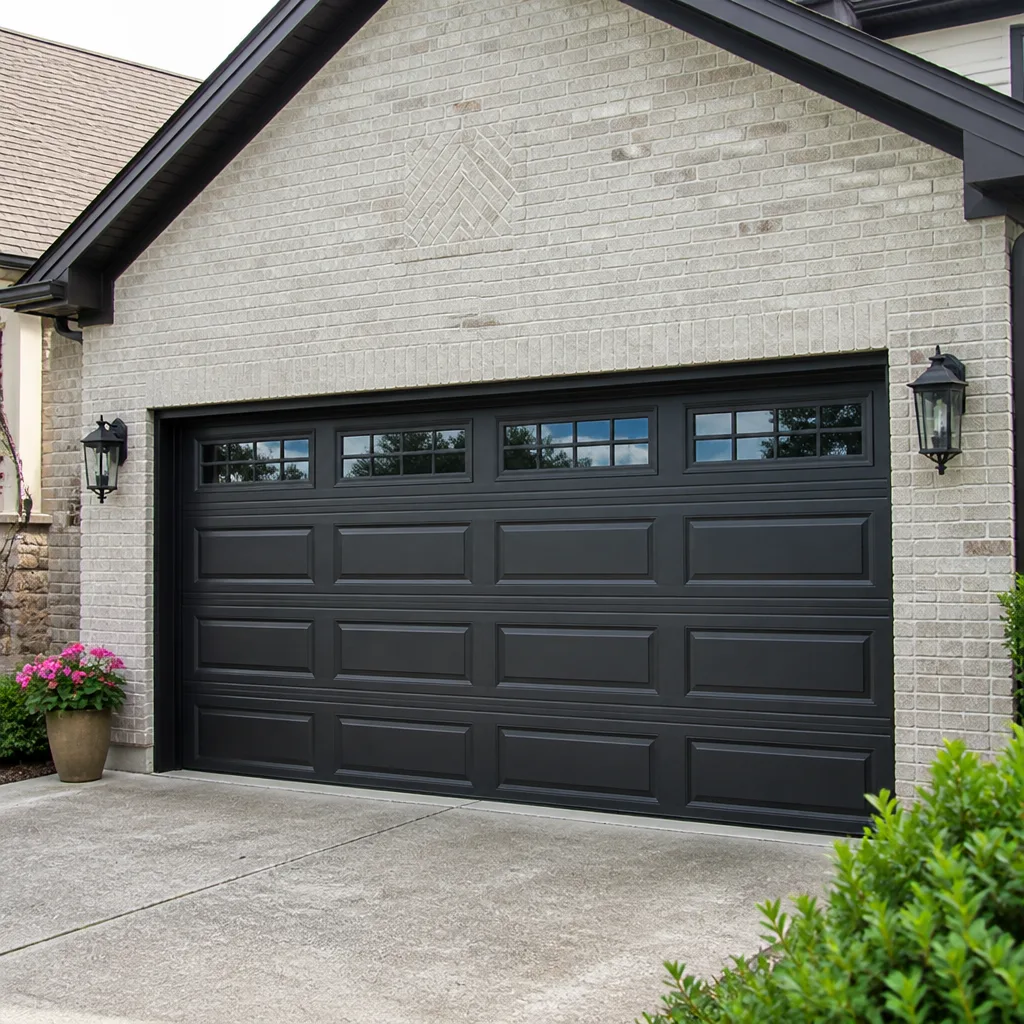 Raised-panel steel
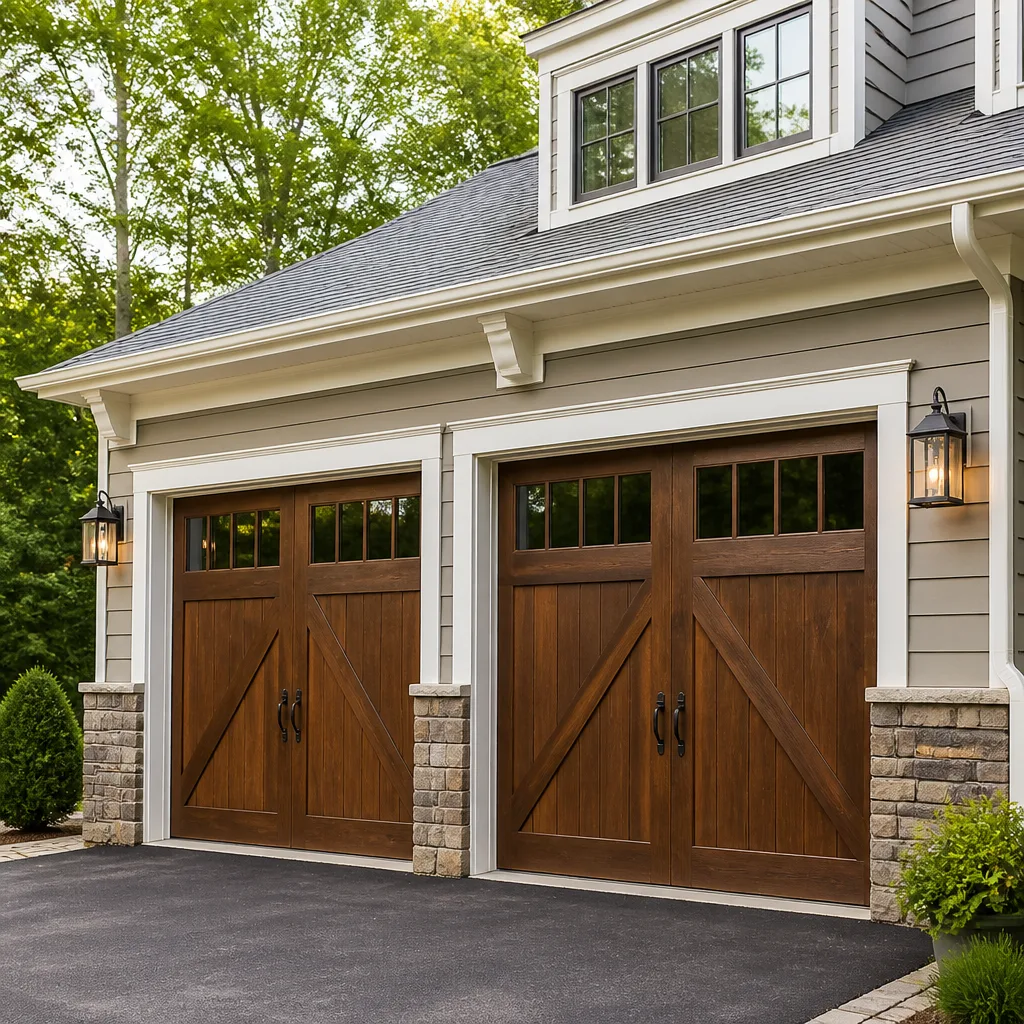 Carriage house
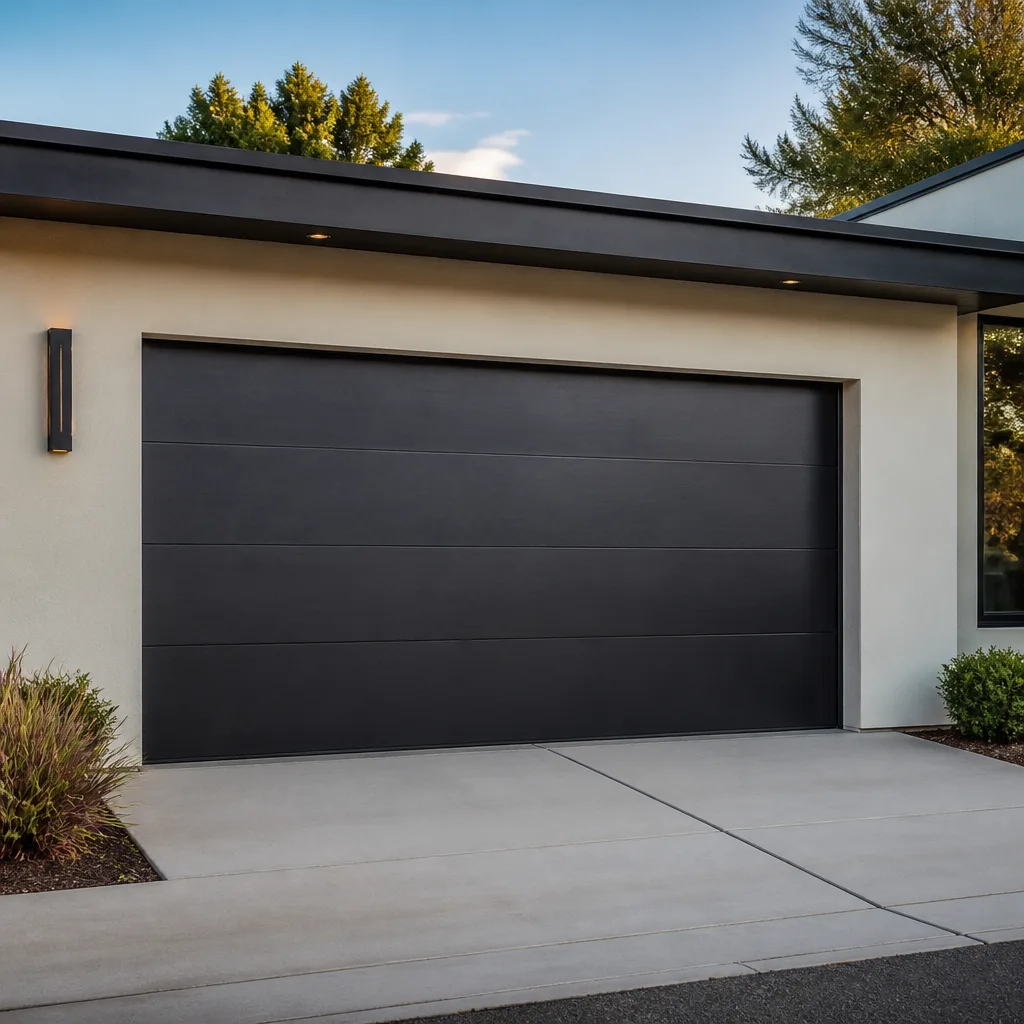 Modern flush
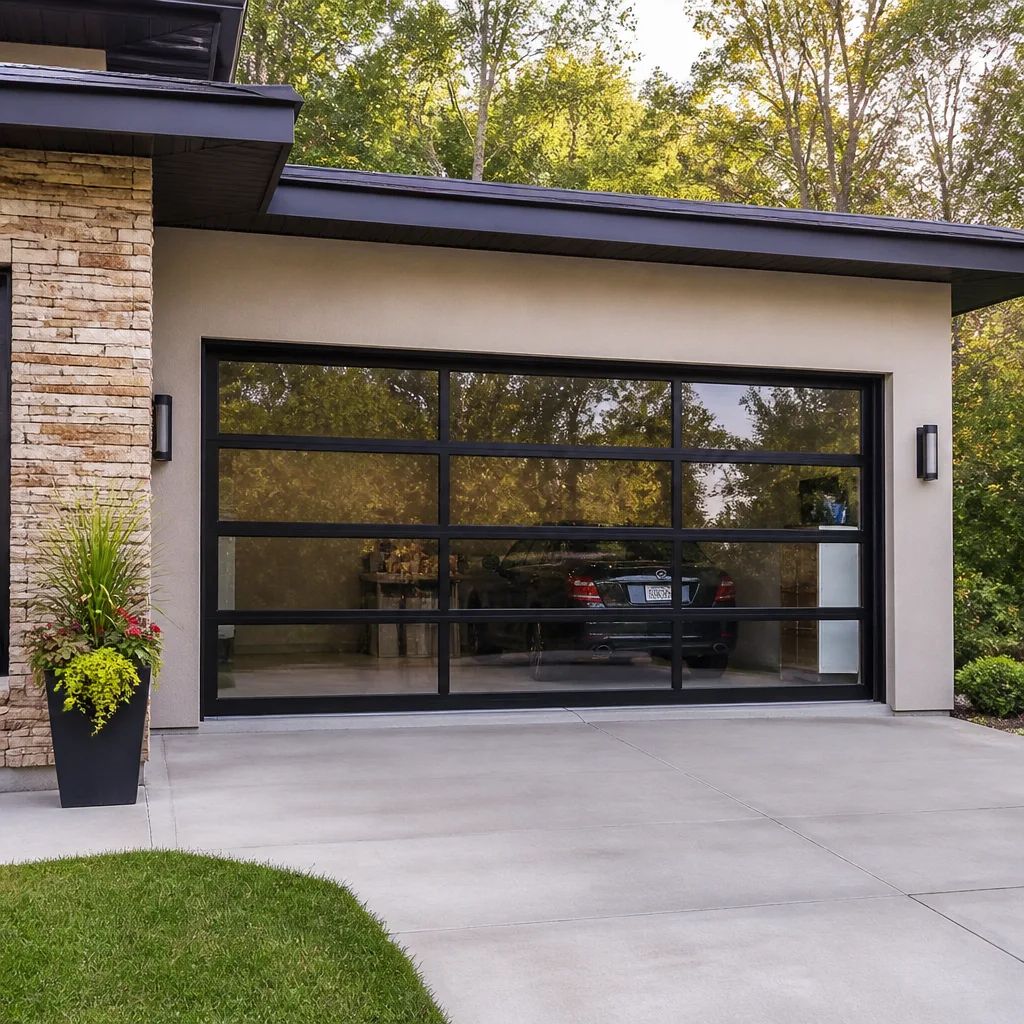 Full-view glass
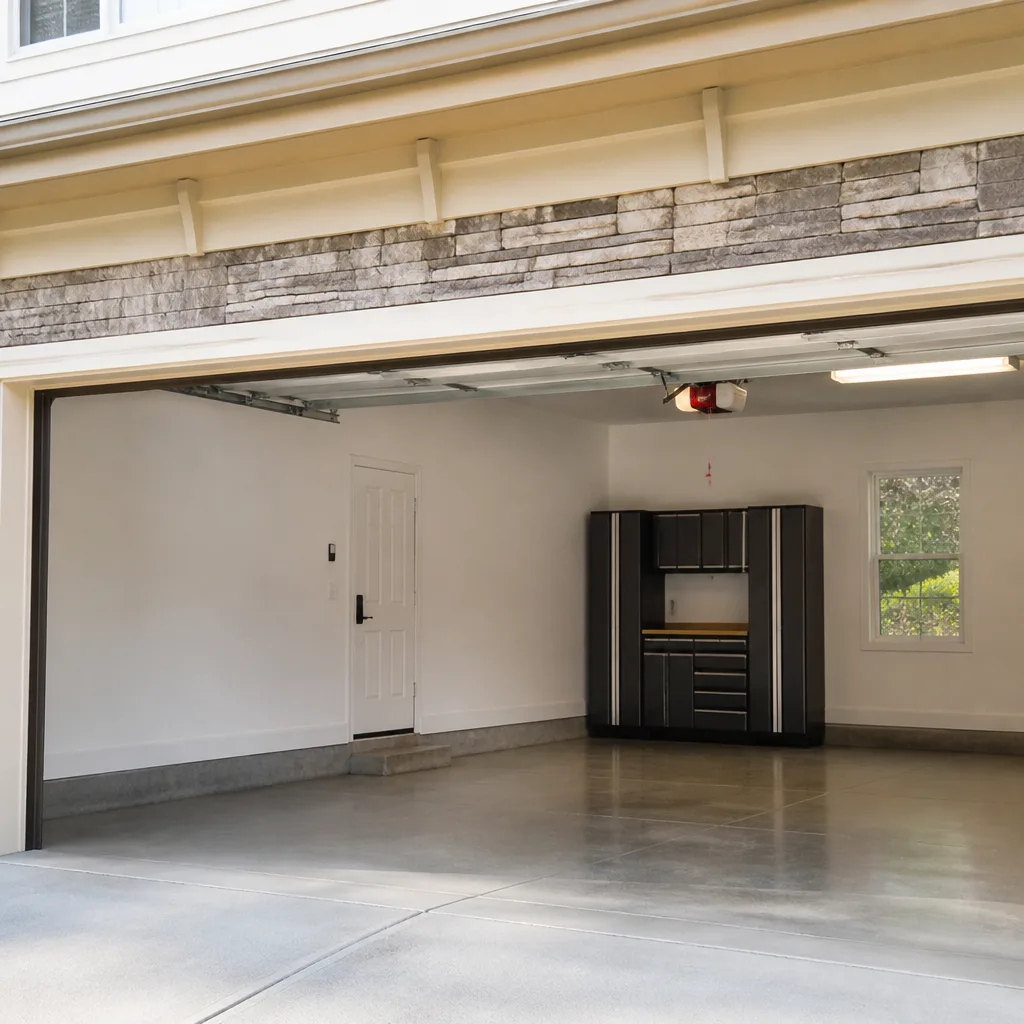 LiftMaster openers
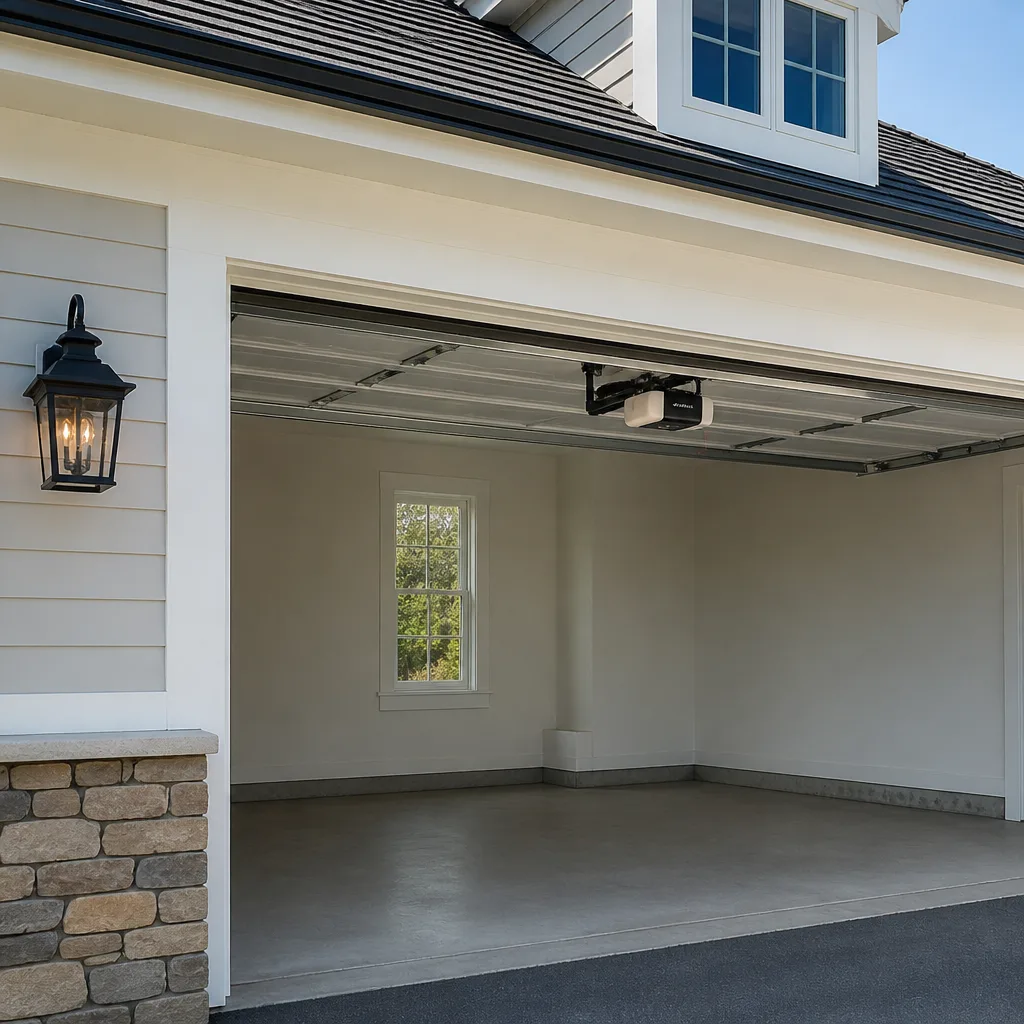 Chamberlain openers
Full 25-point door and opener safety check with every visit - springs, cables, rollers, tracks, and your LiftMaster or Chamberlain opener included
You get a price before we start. It does not change when the pro arrives.
Get your free estimateGarage Door Emergency Preparedness Guide for University Park Homes
When a torsion spring snaps at 7 AM and your car is inside, you have about four options – and three of them are only available if you thought about this before it happened. Most homeowners we talk with in University Park have a plan for a power outage and a plan for a flat tire. Almost none have a plan for a garage door that won’t open, won’t close, or won’t stay on its tracks. The reason is simple: a garage door is the biggest moving object in the house, and it fails at moments that are never convenient. This guide breaks garage door emergencies into three categories – security failures, mechanical entrapment, and power outages – and gives you a specific response for each, plus the pre-emergency checklist that makes any of those responses possible. Read it once before you need it, and you’ll handle a bad morning in University Park far better than the average homeowner.
Styles & brands we work with
- Raised-panel steel
- Carriage house
- Modern flush
- Full-view glass
- LiftMaster openers
- Chamberlain openers
Quick Answer
A garage door emergency in University Park is best handled by first deciding which of three problems you actually have – a security failure (door won’t close or lock), mechanical entrapment (door stuck or off-track with a car inside), or a power outage (no voltage to the opener) – and then following a different, pre-rehearsed response for each. Releasing the emergency cord and lifting the door by hand is safe only on a door in good mechanical condition, and only if you know the door’s weight. For anything involving a broken spring, a loose cable, or a door hanging off its tracks, stop and call a technician: (844) 524-3396.
Table of Contents
- The Three Categories of Garage Door Emergency
- How to Use the Emergency Release Cord Safely
- Manual Lifting and Door Weight by Material
- Power Outage Protocol: Battery Backup vs. None
- What to Do When the Door Comes Off-Track
- When the Door Won’t Close or Lock
- The Pre-Emergency Checklist
- Common Mistakes to Avoid
- When to Call a Professional
- Frequently Asked Questions
The Three Categories of Garage Door Emergency
Nearly every garage door emergency in University Park falls into one of three buckets, and each one demands a different response. Getting the category right in the first sixty seconds is the single most useful thing you can do, because the wrong response to a mechanical failure can turn a repair into a replacement.
Security failures are doors that won’t close, won’t latch, or won’t stay down. The door still moves, but the house is open to the alley or the street. The priority is securing the opening without creating a new hazard.
Mechanical entrapment is a door that is stuck in a position, off its tracks, or hanging with a car behind it. This is the category where homeowners most often injure themselves, because the instinct is to force the door up or down by hand. A broken torsion spring or a slack cable means the door’s weight is no longer being controlled. That is a job for someone trained to work with high-tension hardware.
Power outages are a control problem, not a door problem. Nothing is broken; the opener simply has no voltage. The response depends entirely on whether your opener has a battery backup, which is the one thing worth checking before an outage.
In our experience across University Park, the mechanical category causes the most unnecessary damage because people try to muscle a door that has lost its counterbalance. If you remember nothing else from this guide, remember that a door with a broken spring or a loose cable gets left alone.
Why the Categories Matter
Each category has a different “safe first move.” For a security failure, the safe move is to block or secure the opening. For entrapment, the safe move is to stop touching the door and call. For an outage, the safe move is to find the release cord and check whether the opener is on battery. Mix up the categories and you’ll apply the right solution to the wrong problem.
How to Use the Emergency Release Cord Safely
The emergency release cord is the red handle hanging from the opener rail, and it disconnects the door from the opener so the door can be moved by hand. It works on every opener brand we service, from LiftMaster and Chamberlain to Genie and older Craftsman units, though the handle position and the trolley design vary. The important thing is that the cord only disengages the opener – it does nothing to help a door with a broken spring, and pulling it on a door with a snapped spring can let the door drop.
Here’s how it usually goes when a door is in sound mechanical condition:
- Stand clear of the door’s path and make sure no one is underneath.
- Pull the release cord straight down, firmly, until you hear the trolley click free.
- Lift the door slowly by the bottom section with both hands, using your legs.
- If the door feels unexpectedly heavy or won’t stay up on its own, lower it and stop – that heaviness is a sign a spring or cable is compromised.
- Once the door is up, prop or secure it before walking away, because a disconnected door can slide down.
If the cord won’t pull or feels jammed, don’t yank it. A jammed release usually means the trolley is under load, which is a sign of a mechanical problem rather than a stubborn handle. That’s a garage door repair issue, and forcing the cord can bend the trolley arm.
Check the Cord Before You Need It
The release cord is a wear item. The rope frays, the handle cracks, and on some older doors in University Park the cord has been painted over or shortened so much it can’t be reached. Test it now, while there’s no pressure, so you know it works when there is.
Manual Lifting and Door Weight by Material
How hard a door is to lift by hand depends on its material and its size, and this matters in University Park because the housing stock includes a real mix of door types. A single-car door is one thing; a wide, insulated double-car door is another entirely.
- Steel doors are the most common, and an uninsulated single-car steel door is the lightest of the common types. Insulated steel doors add weight quickly, and a double-car insulated steel door is heavy enough that lifting it alone is a two-person job.
- Aluminum doors are lighter than steel and common on newer builds, but they dent easily, so lift from the bottom section’s structural edge, not the middle of a panel.
- Wood doors, including the older solid-wood doors on some University Park homes, are the heaviest and the most prone to swelling and binding after a wet season. A binding wood door can feel “stuck” even when nothing is broken.
- Composite and wood-look doors vary widely. A Wayne Dalton or Amarr composite door can be surprisingly heavy for its appearance.
The rule of thumb: if the door takes real effort to lift, or if it won’t stay up once lifted, the counterbalance system is the problem, and no amount of muscle is the answer. A properly balanced door lifts with one hand and stays put at any height. That balance is what the springs provide, and it’s why spring work is a safety job, not a maintenance task. If your door suddenly feels like it weighs twice what it did last week, that’s your cue to stop lifting it and get it looked at.
Two-Person Rule
Any double-car door, and any insulated door of any size, should be lifted by two people or not at all. Lifting alone is how backs get hurt and how doors get dropped onto cars.
Power Outage Protocol: Battery Backup vs. None
A power outage is the emergency homeowners in University Park plan for least and experience most. The response is completely different depending on one piece of equipment: whether your opener has a battery backup. Modern LiftMaster and Chamberlain openers frequently ship with battery backup built in, and the opener will run the door on battery when the grid drops. Older Genie and Craftsman units usually don’t have it.
If your opener has battery backup, the protocol is simple:
- Don’t pull the release cord. The opener can still run the door on battery.
- Press the wall button or remote as usual. The door should move, though more slowly.
- Know the battery’s condition. Most backup batteries need replacing every few years, and a dead battery is the same as no backup.
- After power returns, confirm the door cycles normally and the opener reconnects to any smart-home app.
If your opener has no battery backup, the protocol is the manual one: release the door from the opener, lift by hand with the two-person rule, and secure it in the open position before you drive. When power comes back, re-engage the trolley by running the opener until it catches, then cycle the door once to confirm it relatched.
University Park’s electrical grid runs through overhead and underground service in a mix of older and newer neighborhoods, and outages tend to cluster around high-wind events and heavy spring snowstorms that load tree limbs onto lines. That pattern is why we suggest checking your backup battery in early spring, before storm season, rather than waiting for the lights to go out.
The Battery Test
Most battery-backup openers have a test button on the battery unit. Press it and listen: if the opener beeps or cycles, the battery holds a charge. If it does nothing, replace the battery before you need it. If you’re not sure whether your opener has backup at all, our garage door opener repair team can tell you in a few minutes.
What to Do When the Door Comes Off-Track
An off-track door is the most dangerous of the common failures, and the correct response is almost entirely about what you don’t do. When a door jumps its tracks, the rollers are no longer captured by the track, the door may be hanging at an angle, and the cables and springs are under abnormal load. The door can drop without warning.
Here’s the safe sequence:
- Keep everyone, especially children, out of the garage and away from the door.
- Do not run the opener. Cycling the motor on an off-track door can tear the door out of the ceiling or bend the track beyond repair.
- Do not try to push the door back onto the track by hand. Rollers under load can snap free, and the door’s weight can shift suddenly.
- If the door is hanging open and the house is exposed, secure the opening from the inside with whatever is safe and temporary – a heavy object braced against the door from within the garage, not a prop under a hanging panel.
- Call a technician and describe the position: which side is off, whether the door is up or down, and whether any cable looks slack.
The temporary securing step deserves emphasis. The goal is to keep the opening closed and the door from moving further, not to force it back into service. Bracing a door with a board wedged under a hanging panel can make the situation worse by putting load on a section that’s already compromised. If you can’t safely close the opening, park a vehicle in front of it or use an interior door as your main access until a technician arrives.
What a Technician Does
Off-track doors usually involve a bent track, a broken roller, a fatigued hinge, or a cable that’s come off its drum. Our technicians have up to 11 years of experience resetting tracks and replacing the hardware that let the door jump in the first place. Diagnosing the cause matters as much as resetting the door – a door that jumps track once will jump again if the underlying hinge or roller problem isn’t fixed.
When the Door Won’t Close or Lock
A door that won’t close is a security emergency even though nothing is mechanically broken. The house is open, and in University Park that usually means the alley-facing or street-facing opening is exposed. The response is to secure the opening with temporary measures that don’t create new hazards.
Start by figuring out why the door won’t close. The most common causes are a misaligned safety sensor (the small photo-eye near the floor on each side of the opening), an obstruction in the door’s path, a limit switch that’s drifted, or a dead remote. The safety sensor is the usual suspect. If the sensor’s light is off or flickering, the opener thinks something is in the way and will reverse the door.
- Check the sensors. Wipe the lenses, make sure they’re aimed at each other, and confirm nothing (a broom, a recycling bin, a snow shovel) is in the beam.
- Use the wall button, not the remote. If the wall button works and the remote doesn’t, the problem is the remote or its battery, which is a much simpler fix.
- Secure the opening temporarily. If the door won’t come down and you need the house locked, a heavy brace across the inside of the opening or a vehicle parked close to the door buys you time. Don’t wedge anything that could fall and damage the door or a person.
- Don’t disable the safety sensors to force the door closed. This is the most common dangerous shortcut, and it removes the one feature that stops the door from crushing something or someone.
If the door closes but won’t lock, the issue is usually the manual lock bar or the opener’s travel limit. A door that closes and immediately reopens is a sensor or limit problem, and that’s a quick diagnostic for a technician. Our garage door repair team handles these as routine calls, and the fix is often a sensor alignment or a limit adjustment rather than a new opener.
Security Without a Working Door
If you’re leaving the house before the door is fixed, use the interior door between the garage and the house as your primary lock, and treat the garage as unsecured space. Move anything valuable out of the garage until the door is repaired.
The Pre-Emergency Checklist
Every response in this guide depends on something you can only do before the emergency. This is the checklist we’d give any University Park homeowner, and it takes about twenty minutes to complete once.
- Locate the emergency release cord on your opener rail and confirm you can reach it without a ladder. If it’s too high or too short, have it extended.
- Test the release cord while the door is down and the opener is disengaged. Pull it, confirm the trolley clicks free, then re-engage by running the opener.
- Weigh the door by feel. With the door disconnected, lift it halfway. It should feel balanced, not heavy. If it’s heavy, the springs are weakening and need attention before they fail.
- Check for battery backup on your opener. Look for a battery unit on the motor head or a model number that includes a backup designation. Note whether you have it.
- Test the safety sensors by passing an object through the beam. The door should reverse. If it doesn’t, the sensors need service.
- Test the manual lock if your door has one, and confirm the key or handle works. A lock that’s seized from disuse is useless in an emergency.
- Label the opener’s circuit in your electrical panel so you can find it in the dark, and note whether your opener has a manual release for the trolley.
- Write down the brand and model of your door and opener – Clopay, Amarr, Wayne Dalton, LiftMaster, Chamberlain, Genie, Craftsman, Raynor, or whatever’s on the label – so a technician can bring the right parts on the first visit.
That last item saves real time. When we know the brand and model before we arrive, we can bring the right torsion spring, roller, or sensor rather than making a second trip. Cross-brand parts availability is one reason we work across eight major manufacturers instead of specializing in one.
What to Keep in the Garage
A pair of work gloves, a flashlight that isn’t dead, and a note with your opener’s brand and model. That’s the whole kit. You don’t need a toolbox for a garage door emergency; you need information and a phone.
Common Mistakes to Avoid
- Pulling the release cord on a door with a broken spring. The cord disconnects the opener, not the springs, and a door with no counterbalance can drop fast. If you heard a bang and the door won’t lift, leave the cord alone and call.
- Forcing an off-track door back into place. Rollers under load can snap free and the door’s weight can shift without warning. Secure the opening and wait for a technician.
- Disabling the safety sensors to get the door closed. This removes the only feature that stops the door from crushing a person or pet, and it’s never worth the risk in a University Park home with kids or a dog.
- Assuming a dead opener means a dead motor. In our experience, most “dead opener” calls turn out to be a sensor alignment, a limit switch, or a remote battery. Diagnose before you replace.
- Lifting a double-car door alone. Insulated double-car doors are heavy enough that a single person can lose control. Use two people or don’t lift it.
- Ignoring a door that suddenly feels heavy. A door that’s gotten harder to lift is telling you a spring is fatiguing. That’s the warning before the failure, and it’s the cheapest moment to fix it.
- Buying a new opener when the door is the problem. A binding door or a worn roller can make a healthy opener struggle. Fix the door first, then judge the opener.
When to Call a Professional
Call a professional for anything involving high-tension hardware – springs, cables, drums – and for anything where the door has left its tracks or is hanging unevenly. Those are the situations where a trained technician’s 11 years of experience matters most, because the risk isn’t the repair cost, it’s injury. Call for a door that won’t close and won’t respond to sensor cleaning, for an opener that’s dead after a power surge, and for any door that has suddenly become hard to lift. Spring repair in particular is a safety job, not a weekend project: the torsion spring on a residential door stores enough energy to cause serious injury, and the winding process requires specific tools and technique. University Park Garage Door Repair Pros offers free estimates in University Park – call (844) 524-3396, and we’ll tell you what’s actually wrong before anyone touches the door.
Frequently Asked Questions
Yes, if your door is in sound mechanical condition and your opener doesn’t have battery backup. Pull the emergency release cord to disconnect the opener, then lift the door by the bottom section with two people for any double-car or insulated door. If the door feels unusually heavy or won’t stay up, stop – that’s a sign of a spring or cable problem, not an outage, and it needs a technician. Call (844) 524-3396 if you’re unsure.
Look for a battery unit on the motor head or check the model label for a backup designation. Many modern LiftMaster and Chamberlain openers include battery backup, while older Genie and Craftsman units usually don’t. If your opener has it, the door will run on battery during an outage and you don’t need to release it manually. Our garage door opener repair team can confirm your model’s backup status and replace a dead battery.
Keep everyone away from the door, don’t run the opener, and don’t try to push the door back onto the track by hand. Secure the opening from the inside if you can do so safely, then call a technician and describe which side is off and whether any cable looks slack. Running the opener on an off-track door can tear the door out of the ceiling. Call (844) 524-3396 for a same-day assessment.
The most common cause is a misaligned or dirty safety sensor near the floor. Wipe the lenses, confirm they’re aimed at each other, and clear anything from the beam. If the door still reverses, the problem is likely a limit switch or a track obstruction. Don’t disable the sensors to force the door closed – that removes a critical safety feature. Call (844) 524-3396 for a diagnostic visit.
No. Torsion springs store enough energy to cause serious injury, and the winding process requires specific tools, technique, and knowledge of the door’s weight and spring cycle life. This is the one repair we tell every University Park homeowner to leave to a trained technician. Spring repair is a core part of what we do, and a same-day repair is common when we know your door’s brand and model. Call (844) 524-3396 for a free estimate.
We service eight of the most widely installed brands in the country: LiftMaster, Chamberlain, Genie, Clopay, Amarr, Wayne Dalton, Craftsman, and Raynor. That cross-brand coverage means we can usually bring the right part on the first visit instead of ordering it and scheduling a second trip. Our technicians have up to 11 years of experience diagnosing system-specific problems across all of these. For new equipment, see our garage door installation page.
The Bottom Line
Garage door emergencies in University Park come in three flavors – security failures, mechanical entrapment, and power outages – and each has a different safe response. The security failure is usually a sensor, the outage is a battery question, and the entrapment is a stop-and-call situation. The twenty minutes you spend on the pre-emergency checklist now are worth more than any amount of improvisation at 10 PM. Know your release cord, know your door’s weight, know whether your opener has backup, and know the phone number for a technician who works on your brand. That’s the whole plan.
When something does go wrong, University Park Garage Door Repair Pros is a single call for repair, installation, spring work, opener service, and parts. You can reach our University Park Garage Door Repair Pros team at (844) 524-3396 for a free estimate, and we’ll diagnose the problem before recommending any work. The price is quoted and agreed before anything starts.
Written by the team at University Park Garage Door Repair Pros.
See the difference
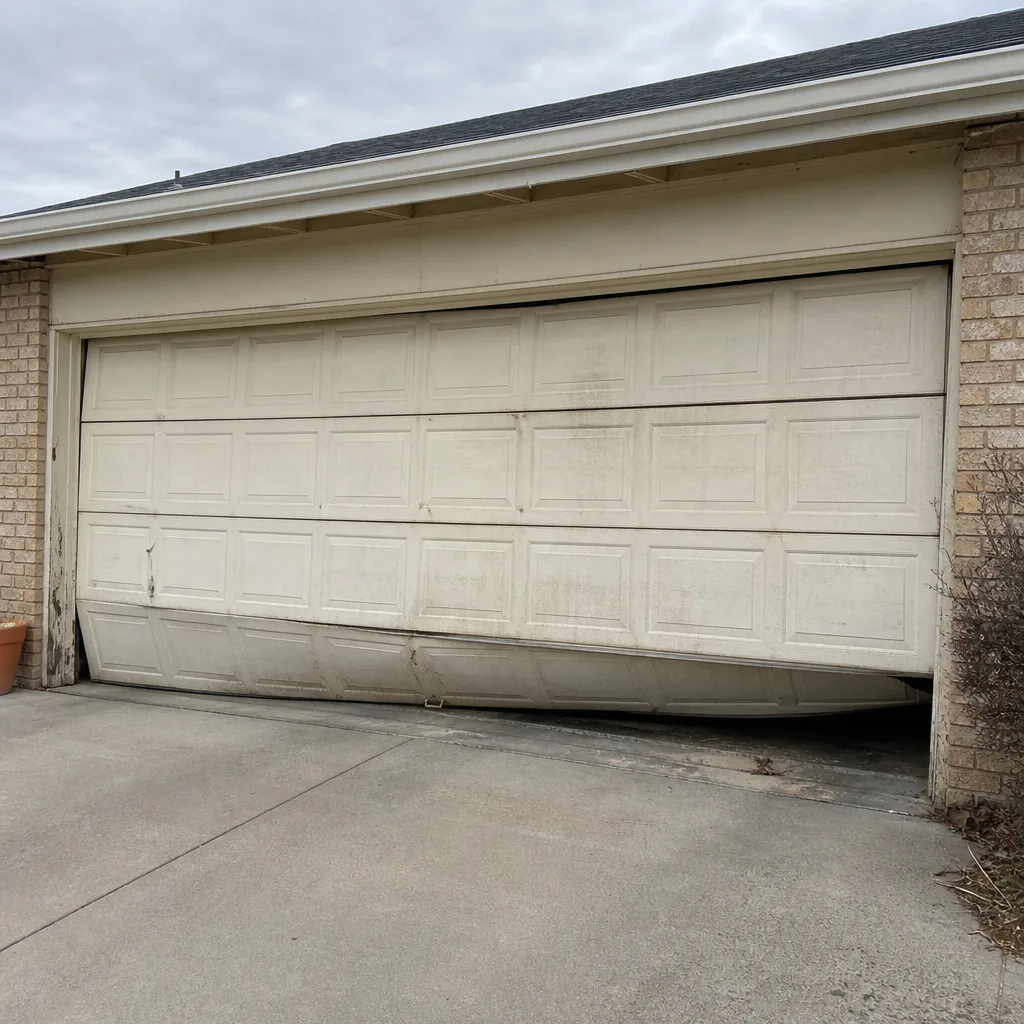 Before
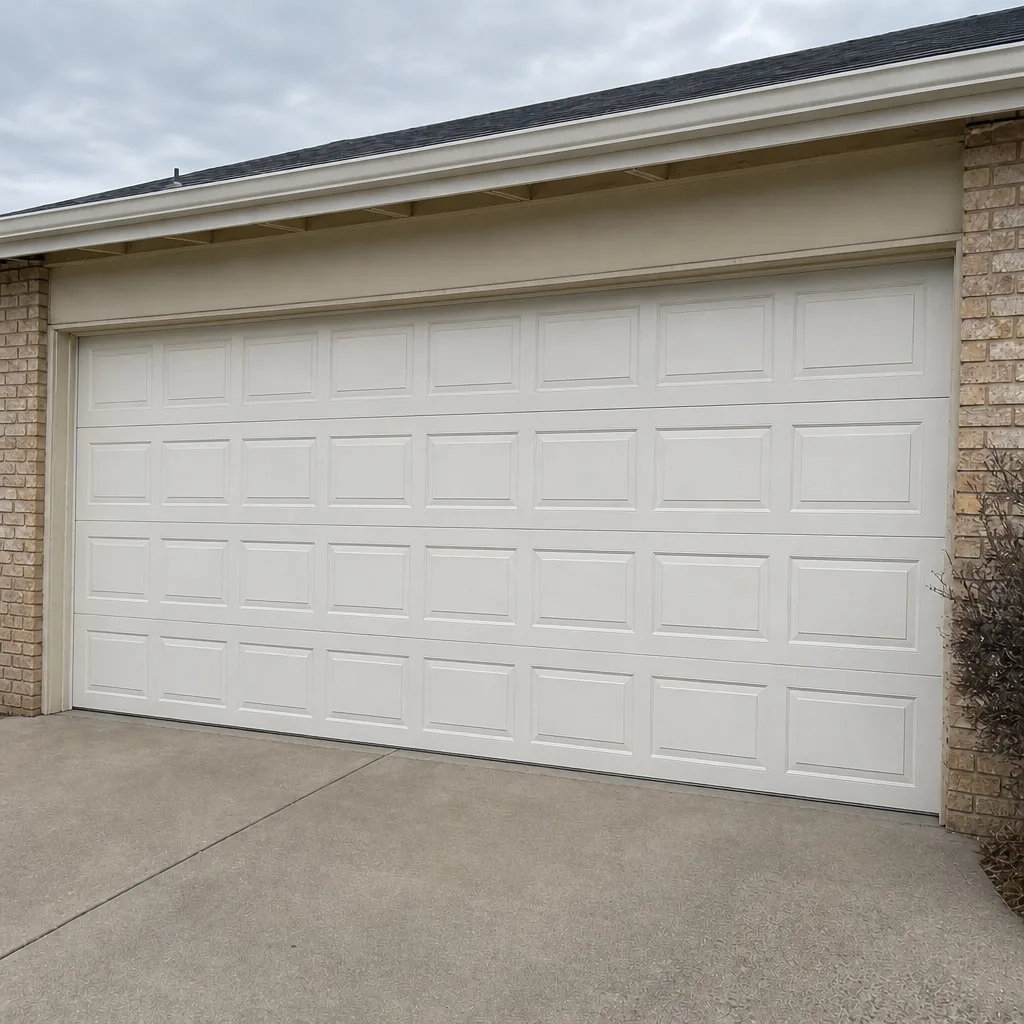 After
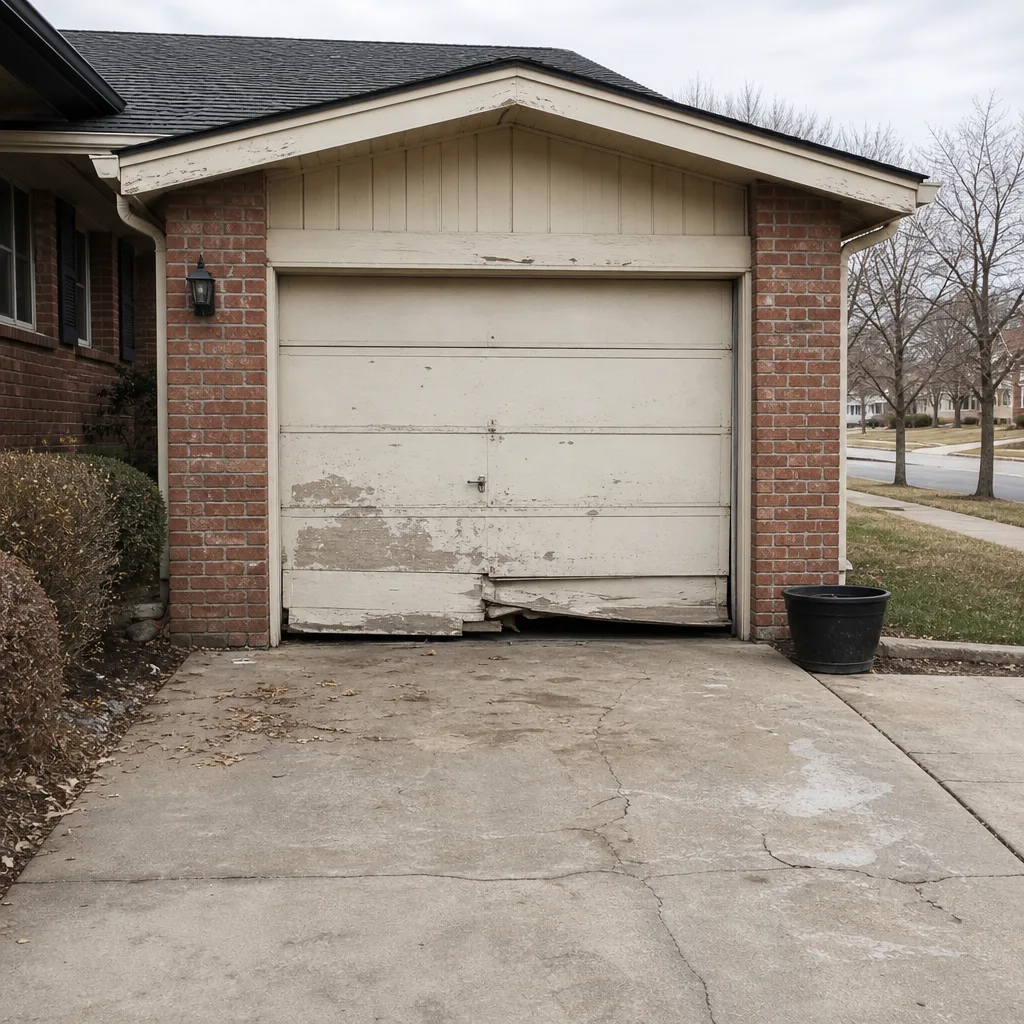 Before
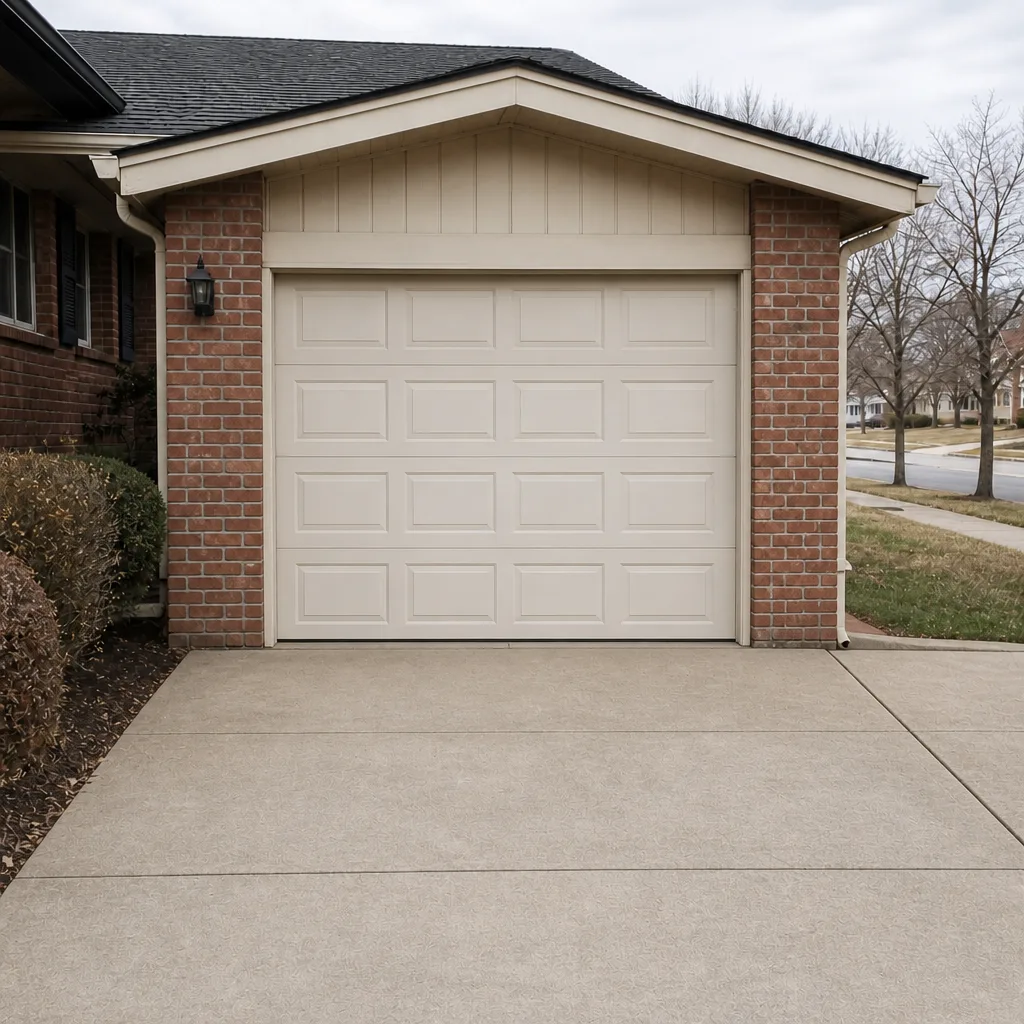 After
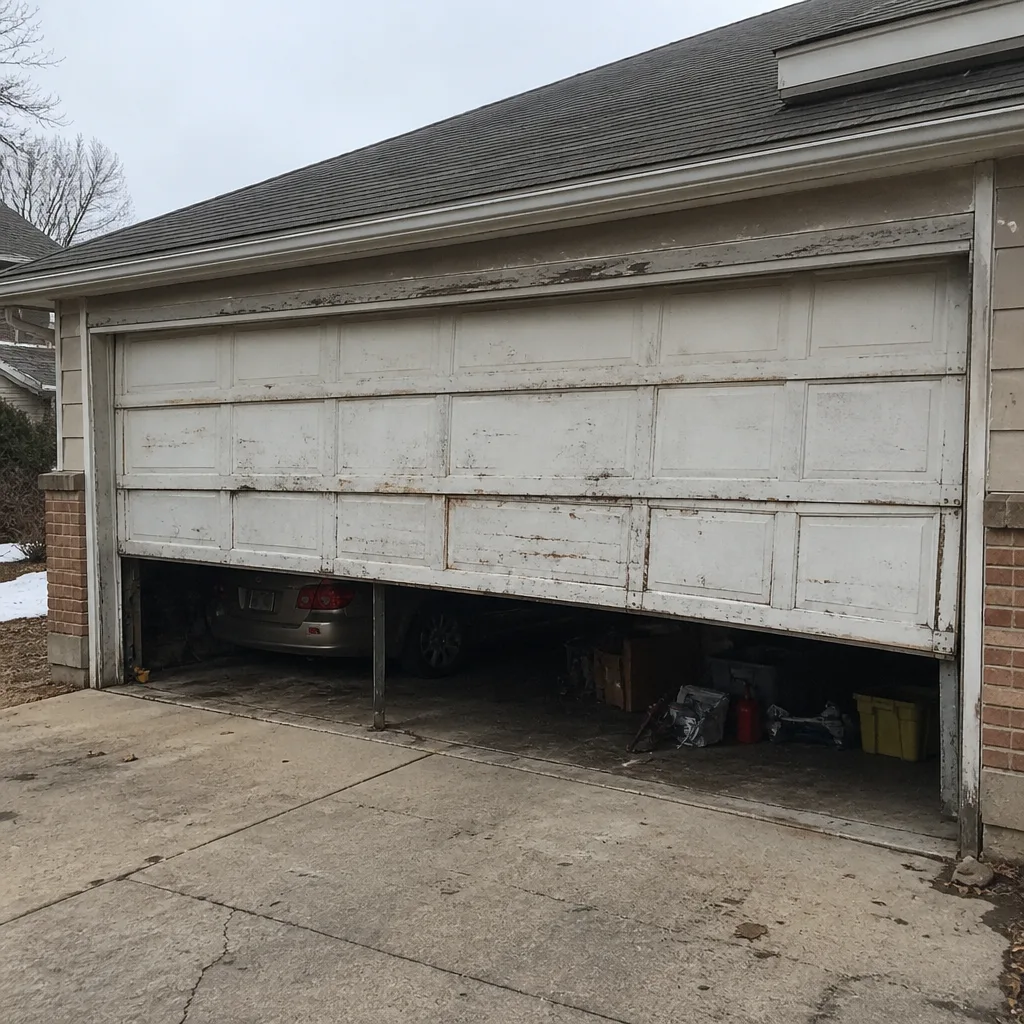 Before
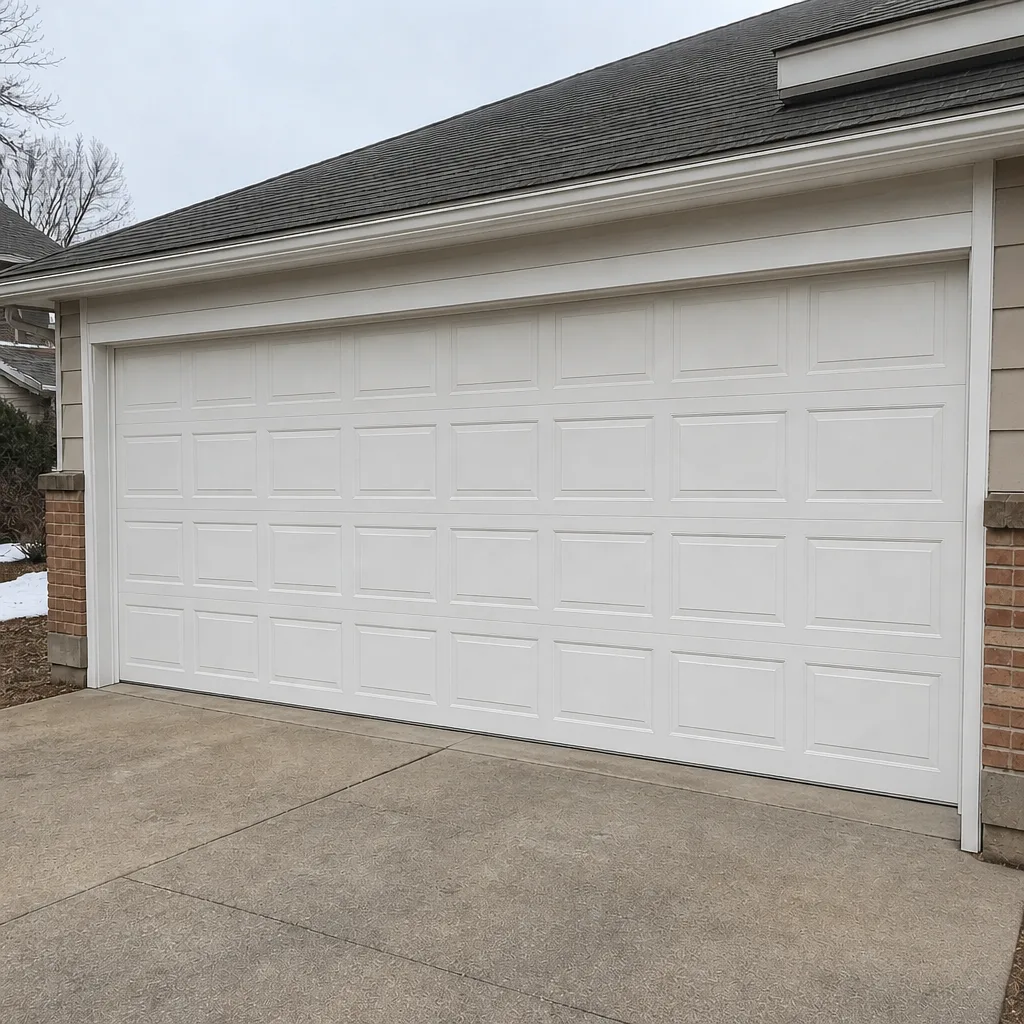 After