Last updated November 22, 2026
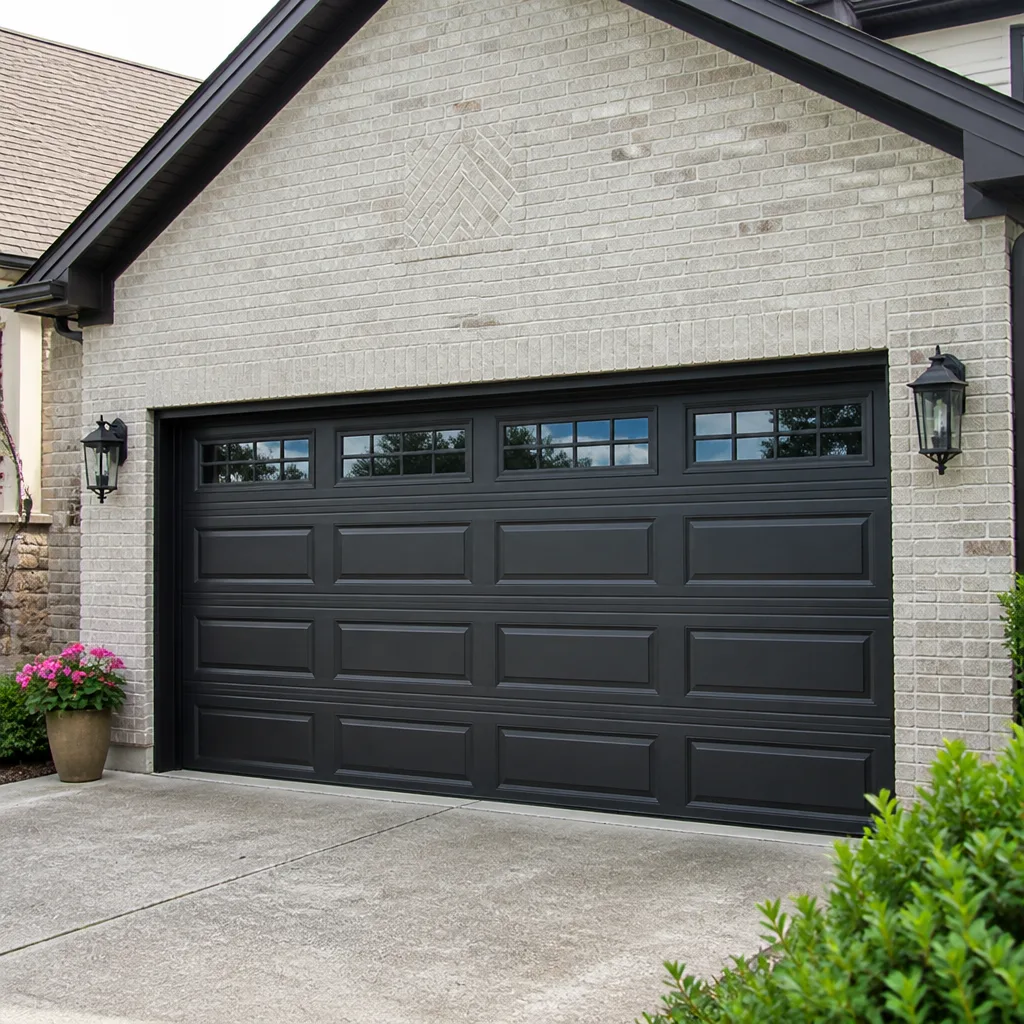 Raised-panel steel
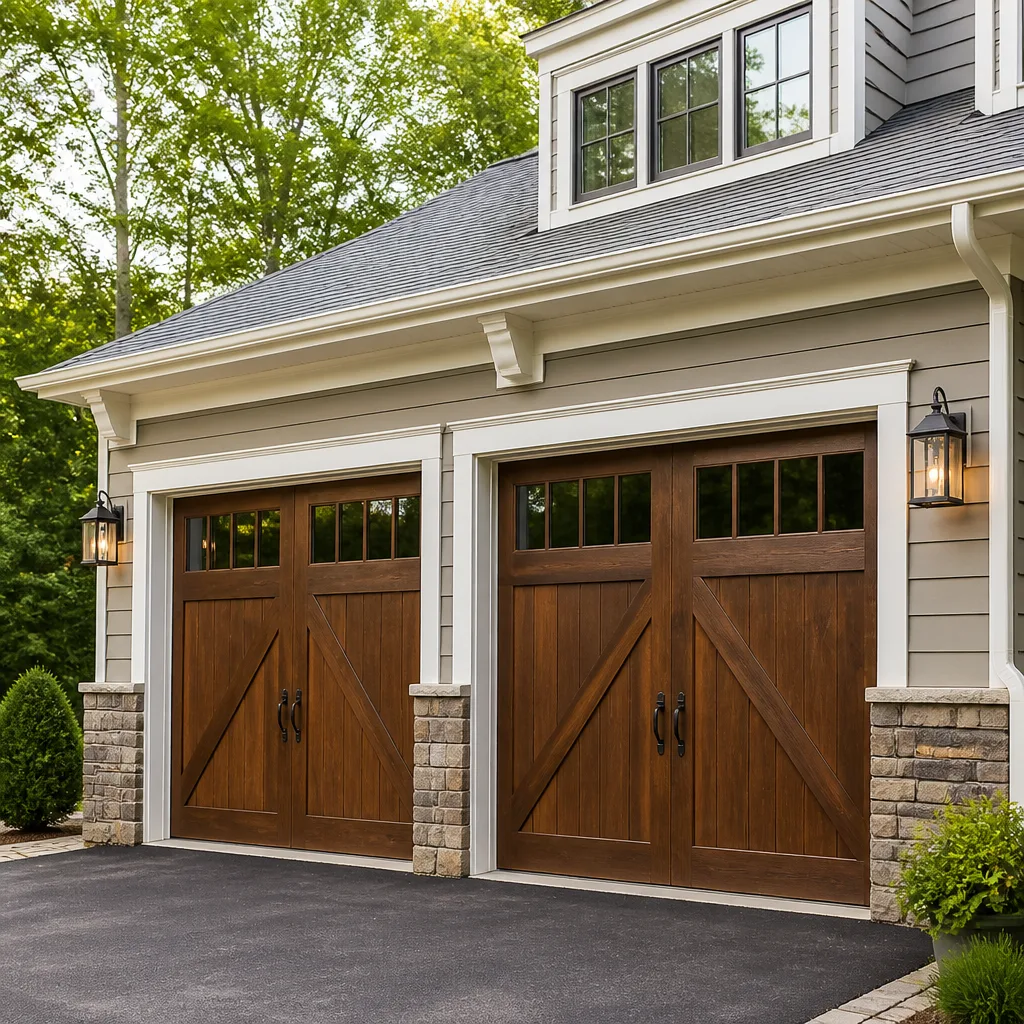 Carriage house
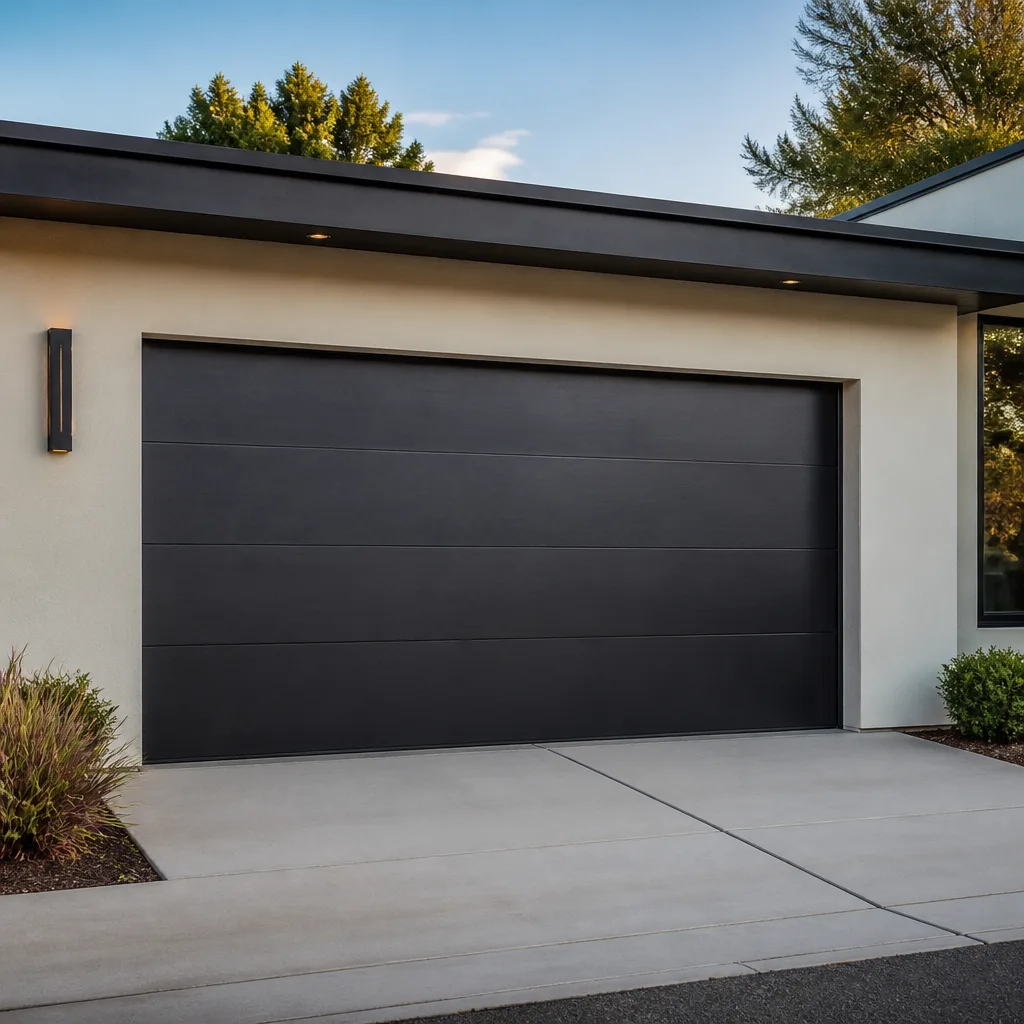 Modern flush
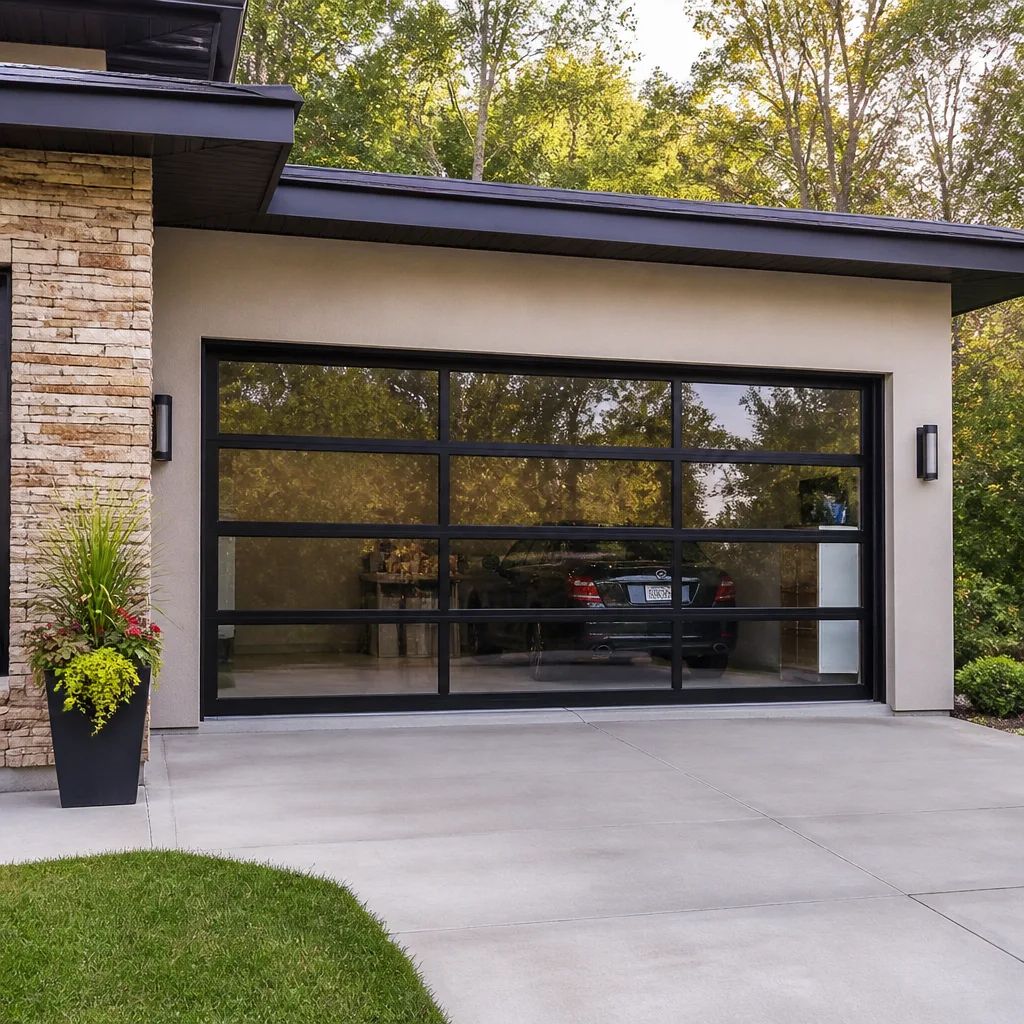 Full-view glass
 LiftMaster openers
 Chamberlain openers
Full 25-point door and opener safety check with every visit - springs, cables, rollers, tracks, and your LiftMaster or Chamberlain opener included
You get a price before we start. It does not change when the pro arrives.
Get your free estimateSeasonal Garage Door Care for University Park: Year-Round Homeowner’s Guide
Most garage door failures don’t announce themselves. They get set up months in advance. A door that quits in January was usually compromised back in October, when the first temperature swings started working on aged seals, loosened set screws, and springs already carrying more cycles than the homeowner realized. In University Park, the calendar isn’t neatly divided into spring, summer, fall and winter stress. There are two high-risk windows built around freeze-thaw cycling in the shoulder seasons, and a long dry summer in between that quietly wears down rubber and paint. This guide maps care to the risk that actually exists in University Park, month by month, so you’re maintaining ahead of failure instead of reacting to it.
Quick Answer
Garage door care in University Park should follow risk windows, not calendar quarters. That means a pre-winter protocol in October (lubrication, balance check, seal inspection, hardware tightening), close attention to bottom seals and cable drum set screws during the March and April freeze-thaw cycle, and UV-focused seal and finish checks through the dry summer. Torsion spring recalibration is worth scheduling on any door more than five years old once the cold season ends.
Styles & brands we work with
- Raised-panel steel
- Carriage house
- Modern flush
- Full-view glass
- LiftMaster openers
- Chamberlain openers
Table of Contents
- Why Risk Timing Beats a Four-Season Checklist in University Park
- The October Pre-Winter Protocol
- March and April: How Freeze-Thaw Cycling Stresses Seals and Set Screws
- Summer at Elevation: What UV and Ozone Do to Seals and Painted Steel
- Spring Torsion Recalibration After a Colorado Winter
- Month-by-Month Task Map for University Park
- Brand-Specific Care Notes: LiftMaster, Chamberlain, Wayne Dalton and Raynor
- Safety: What You Should Never Adjust Yourself
Why Risk Timing Beats a Four-Season Checklist in University Park
A generic “check your door in spring and fall” reminder treats every month the same. University Park’s climate doesn’t work that way. The damaging events here cluster around the transitions: the first sustained freeze, the repeated thaw-and-refreeze cycles of early spring, and the long dry stretch of summer that bakes rubber and paint without any obvious symptom until a seal fails outright.
Here’s the pattern we work with:
- October through November: temperatures drop and the door’s metal components contract at different rates than the seals and gaskets around them. This is when small issues become structural.
- March and April: freeze-thaw cycling puts the most stress on bottom seal adhesion and cable drum set screws. The freeze pulls, the thaw relaxes, and the cycle repeats.
- Summer: UV exposure and heat degrade rubber seals faster than most homeowners expect, and painted steel takes the brunt of it on south and west-facing doors.
The practical takeaway: if you treat October as your only inspection month and ignore the spring and summer windows, you’re likely to discover problems the hard way. Our technicians have up to 11 years of experience across the brands commonly installed in this area, and the pattern is consistent. Doors that get pre-winter maintenance and post-winter recalibration rarely fail suddenly. Doors that get neither do.
The October Pre-Winter Protocol
October is your highest-value maintenance month in University Park. Everything you do here sets the door up to handle the freeze season without a mid-winter callout. Work through these steps:
- Balance test. Disconnect the opener with the release cord, lift the door by hand to about halfway, and let go. A properly balanced door stays roughly where you put it. A door that drops or rises on its own is telling you the springs are losing tension or the track has shifted.
- Lubricate the moving parts. Rollers, hinges, and the torsion shaft bearings get a proper garage door lubricant, not general-purpose oil or WD-40. Seals and tracks stay dry; grease attracts grit.
- Inspect the bottom seal. Look for hardening, cracks, or separation where the seal meets the door panel. A seal that’s already stiff going into winter will crack further once the freeze hits.
- Check the hardware. Tighten the track bolts and hinge screws, but stop and call if you find anything loose on the torsion system itself.
- Test the safety reversal. Place a small object in the door’s path and confirm the door reverses. This takes seconds and catches sensor problems before they become a nuisance or a hazard.
- Look at the weatherstripping around the frame. The perimeter weatherstripping that seals against the door edges takes the same winter beating as the bottom seal. If it’s compressed flat or torn, replace it now.
This whole sequence takes an experienced homeowner maybe 20 minutes. If anything looks off during the balance test or the hardware check, that’s the right time to schedule a garage door repair visit, not in January when the door quits at 7am and you’re late for work.
March and April: How Freeze-Thaw Cycling Stresses Seals and Set Screws
The freeze-thaw window is where the least visible damage happens. Two things get hit specifically:
Bottom seal adhesion
On a day that hits the high 40s and then drops back below freezing the same night, the bottom seal expands and contracts against the door panel. If the seal was installed with a mounting channel, the rubber can creep slightly in that channel. If it was glued or pressed into a retainer, the bond takes repeated stress. Over one April, that can be a dozen or more cycles. The failure mode is a seal that starts to sag at one end or develop a gap at the corner, which then admits cold air, moisture, and eventually pests.
Cable drum set screws
The cable drums on each end of the torsion shaft are held by set screws. In the temperature swings of March and April, the steel drum and the steel shaft expand and contract slightly. Repeated cycling can loosen the set screws enough that the drum slips fractionally. This is a safety-critical failure. A slipping drum can let the cable lose tension suddenly with the spring still under load.
If you hear a sharp clank or notice the door operating unevenly, stop using it and get it looked at. This is one of the reasons we treat spring and cable issues as a safety service, not a convenience call. Book a post-winter inspection on any door over a few years old, and specifically ask about the set screws if you’ve had cable work done before.
Summer at Elevation: What UV and Ozone Do to Seals and Painted Steel
University Park’s elevation means more intense ultraviolet exposure than most of the country gets at lower altitudes. That intensity hits two components directly:
- Rubber seals and weatherstripping. The bottom seal, perimeter strip, and any rubber hinge isolators degrade faster under strong UV. Realistic replacement intervals for bottom seals here run somewhere in the three to five year range, with south and west-facing doors on the shorter end. Perimeter weatherstripping holds up a bit better but still needs checking every summer.
- Painted steel panels. UV and ozone work on paint over time. The finish chalks, then thins, then starts to let moisture into the steel underneath. Once that happens you’re looking at corrosion, not just cosmetics. A good wash once a season and a wax on painted steel slows this considerably.
If your door is a wood-composite or steel-backed model, the summer check should include looking at the seams between panels where moisture can pool. A weep hole that’s plugged with debris lets water sit in the panel and corrode it from inside. Keep the weep holes clear.
If your door is a Wayne Dalton or Clopay, their seal and finish designs differ, so replacement parts and the right seal profile matter when it’s time to swap. We source across those brands, which means a summer seal replacement usually doesn’t drag into a second callout once parts arrive. Sometimes a full door is better than chasing corrosion. In that case, garage door installation replaces the problem instead of fighting it.
Spring Torsion Recalibration After a Colorado Winter
On any door more than five years old, a post-winter torsion spring recalibration isn’t optional. Here’s why. Torsion springs lose tension slowly over their service life, and cold weather accelerates that loss because the spring steel is more brittle in the cold. By the time March rolls around, a spring that operated fine in September may be carrying meaningfully less tension. The symptom is subtle: the door feels heavier, the opener works harder, and the door drifts down slightly on its own. Left unaddressed, the extra strain accelerates wear on the opener, the hinges, and the spring itself.
Recalibration means setting the spring tension back to spec and confirming the door’s balance. It’s not a spring replacement unless the spring has actually failed or is near the end of its cycle life. On a five to ten year old door, recalibration is often the difference between a spring that lasts another few years and one that snaps in July.
We’ll be direct: this is not a homeowner task. Torsion springs store a large amount of energy, and adjusting them without the right winding bars and technique is how serious injuries happen. Call a trained technician. That’s the honest answer, and it’s the one that keeps the door’s spring system safe.
Month-by-Month Task Map for University Park
Here’s the calendar we recommend for University Park homeowners, organized by risk window rather than by generic season:
- January – February: Minimal active maintenance. Do a quick monthly visual check for obvious damage. Keep the tracks clear of ice and grit, and listen for any new noise.
- March: Post-winter inspection. Check the bottom seal, look at the cable drums and set screws, and test balance. Book a spring recalibration on any door over five years old.
- April: Follow-up on any seal or weatherstripping issues found in March while the freeze-thaw cycle finishes. Clear debris from the tracks and weep holes.
- May – June: Summer prep. Clean the door panels, apply a coat of wax on painted steel, and check the opener’s safety reversal function.
- July – August: Mid-summer seal check. Look specifically at the sunny side of the door for UV damage. Clean the tracks and relubricate any dry rollers.
- September: Pre-winter hardware check. Tighten bolts and screws (not the torsion system), verify the opener’s auto-reverse still works, and identify anything that needs replacing.
- October: The full pre-winter protocol outlined above. This is the last good window before the first sustained freeze.
- November – December: Winter readiness. Confirm the door operates smoothly, watch for any sign of spring weakening, and keep the bottom seal’s contact area clear of snow and ice.
If you only do one thing from this list, do the October protocol and the March spring check. Those two touchpoints carry more weight than everything else combined.
Brand-Specific Care Notes: LiftMaster, Chamberlain, Wayne Dalton and Raynor
Brand-specific mechanics matter more than homeowners often expect. Each manufacturer builds to slightly different tolerances and uses different components, and seasonal care for one isn’t automatically right for another.
LiftMaster and Chamberlain
These openers dominate the smart-home integrated market. Both rely on an auto-reverse safety system that needs testing more than once a year, and both have models where the travel limits and force settings should be re-verified after the door’s balance shifts. Seasonal opener issues like a door that won’t close fully in cold weather, or one that reverses without obstruction, often trace back to a force setting that was calibrated to a lighter door in September and is now fighting a heavier door in February. That’s a garage door opener repair call, not a replacement.
Wayne Dalton and Raynor
Wayne Dalton and Raynor doors have their own hardware conventions. Wayne Dalton uses some proprietary hardware on certain models, which means parts sourcing matters when something needs replacing. Raynor doors are built with a robust torsion system that still needs recalibration on the same schedule as anything else. For any of these brands, the right care is knowing the specific model, not just applying generic maintenance. We work across LiftMaster, Chamberlain, Genie, Clopay, Amarr, Wayne Dalton, Craftsman, and Raynor. When your door needs a part, we’re not going to tell you it has to be ordered from one specific supplier and take weeks. We source across the brands, and that means you’re more likely to get it fixed on the first visit.
Safety: What You Should Never Adjust Yourself
Some maintenance is homeowner-friendly. Some is not. Here’s the line:
- Safe to do yourself: lubrication, visual inspection, cleaning tracks, testing the safety reversal, tightening non-torsion hardware.
- Not safe to do yourself: anything involving the torsion spring, the torsion shaft, the cable drums, or the cables themselves. These components are under substantial tension, and a spring that releases unexpectedly can cause serious injury. The set screws and the spring winding cones are especially dangerous.
- Not safe to attempt without training: adjusting the opener’s force or travel limits if you’re not sure what you’re doing, because a mis-set opener can hide a mechanical problem and cause the door to force itself past an obstruction.
We recognize this is a common-sense warning, but it bears repeating because the temptation is real. A torsion spring is a stored-energy device, and treating it like a DIY repair is how people get hurt. That’s why we treat spring repair as a safety service, and we’d rather you call than guess.
Common Mistakes to Avoid
- Skipping October because nothing feels wrong yet. The whole point of October care is that the door is working fine. Waiting until it’s not means waiting until winter, when everything is harder and slower to fix.
- Ignoring the bottom seal in March. The freeze-thaw window is when seal adhesion fails. By summer, that gap has already let in moisture. Address it in March, not August.
- Using general-purpose oil on the tracks and springs. It attracts grit and gums up. Garage door lubricant on the moving parts only, and keep the tracks dry and clean.
- Assuming a door over five years old doesn’t need spring recalibration. It’s not the same as a spring replacement, and it’s the single most overlooked piece of post-winter maintenance in University Park.
- Putting off the opener’s force-setting check. A door that runs a bit heavy in winter will overwork the opener. Checking balance and recalibrating force settings when appropriate prevents premature opener wear.
- Treating summer as a maintenance-free season. UV damage is cumulative and invisible until it’s a problem. A quick seal check and panel wash once a month through summer is worth the effort.
- Trying to tighten torsion hardware yourself. This is the one to take seriously. If you find a loose set screw or a slipping drum, stop using the door and call. Don’t grab a wrench.
See the difference
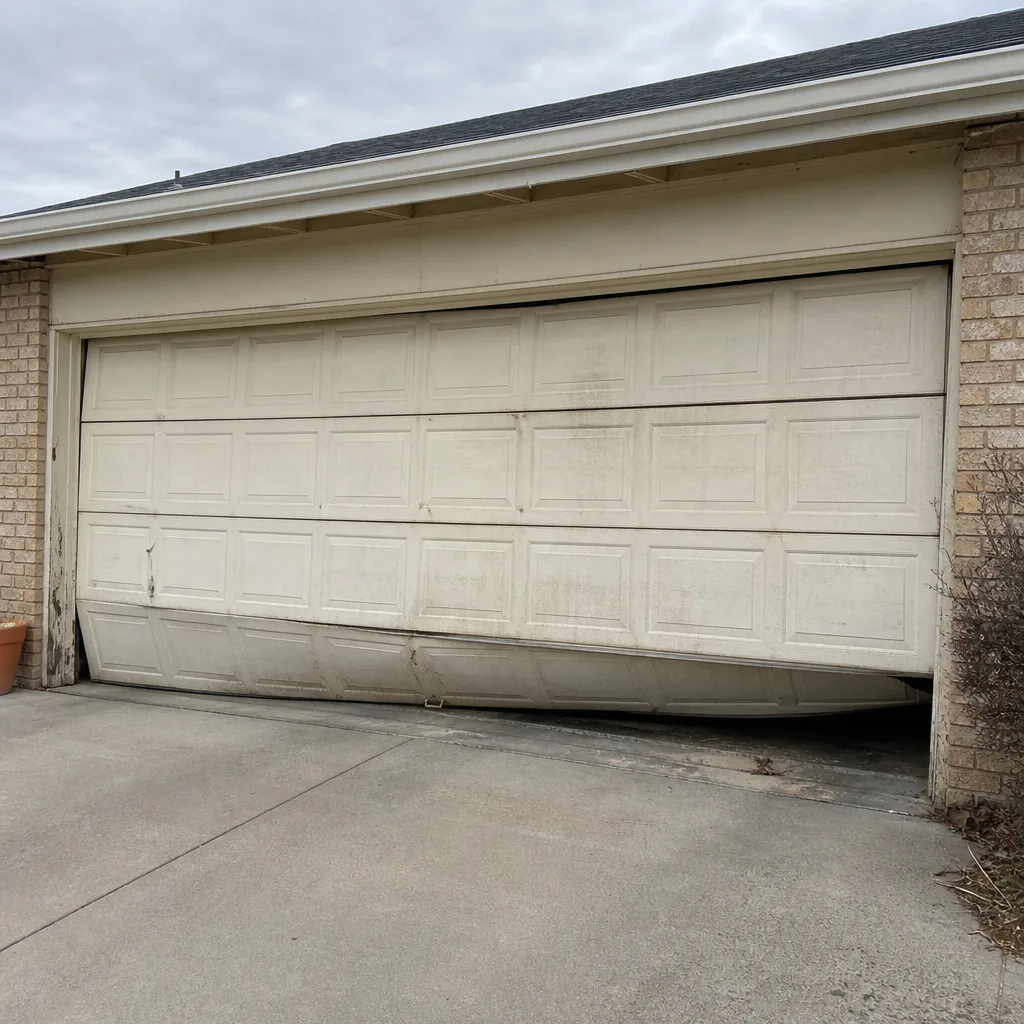 Before
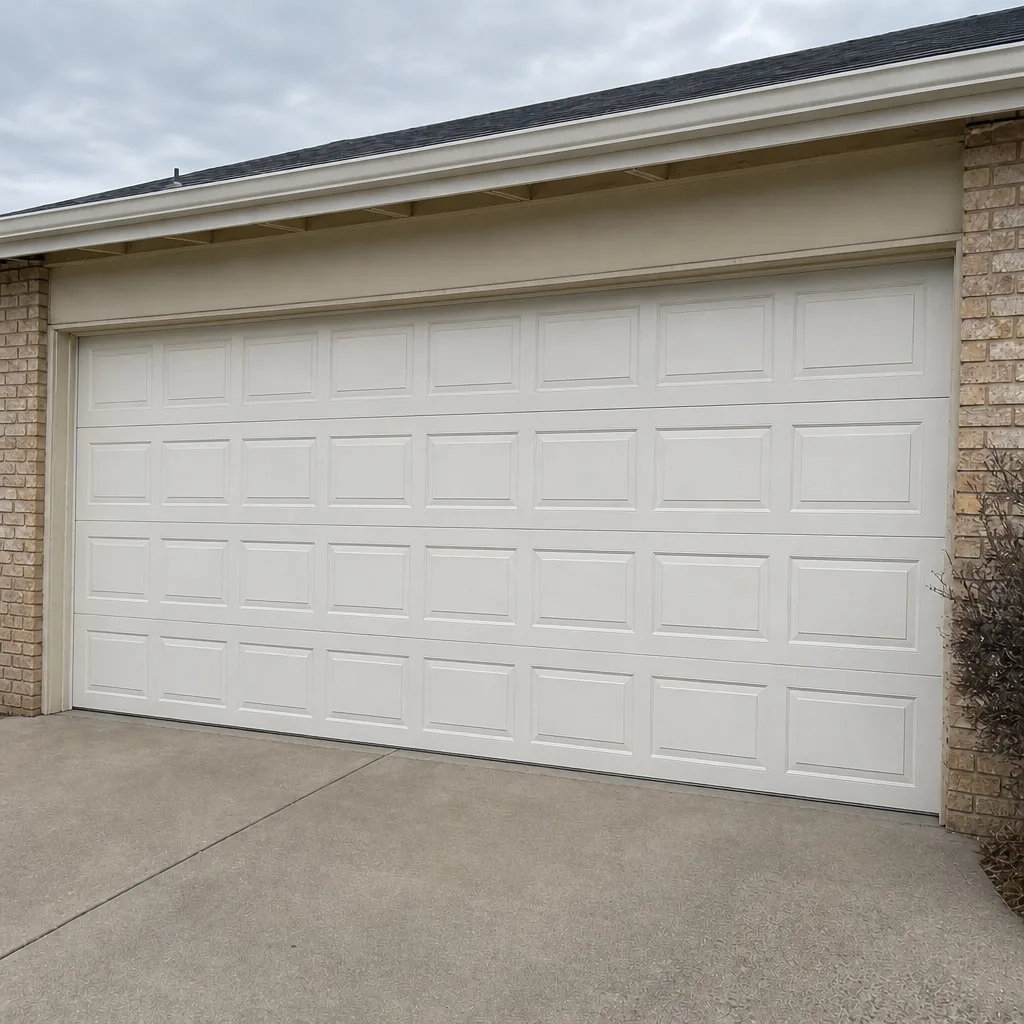 After
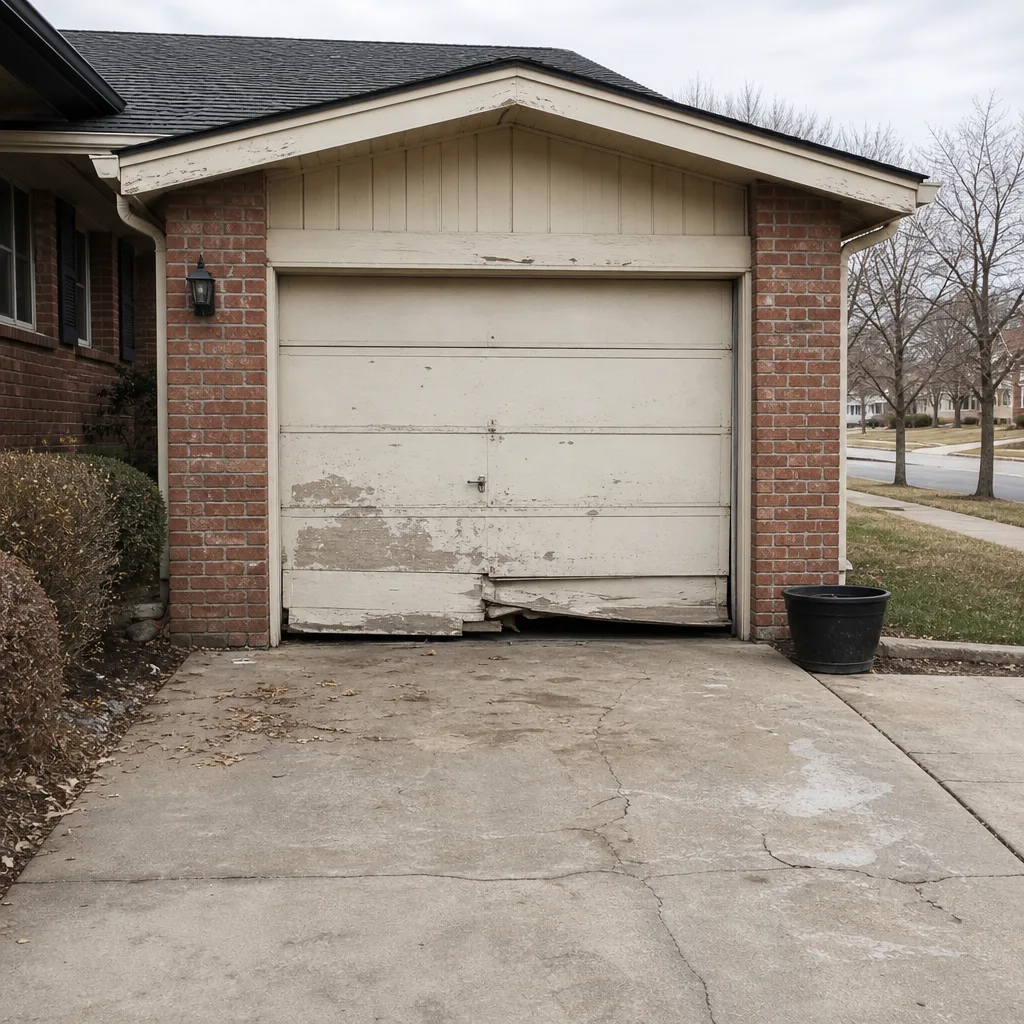 Before
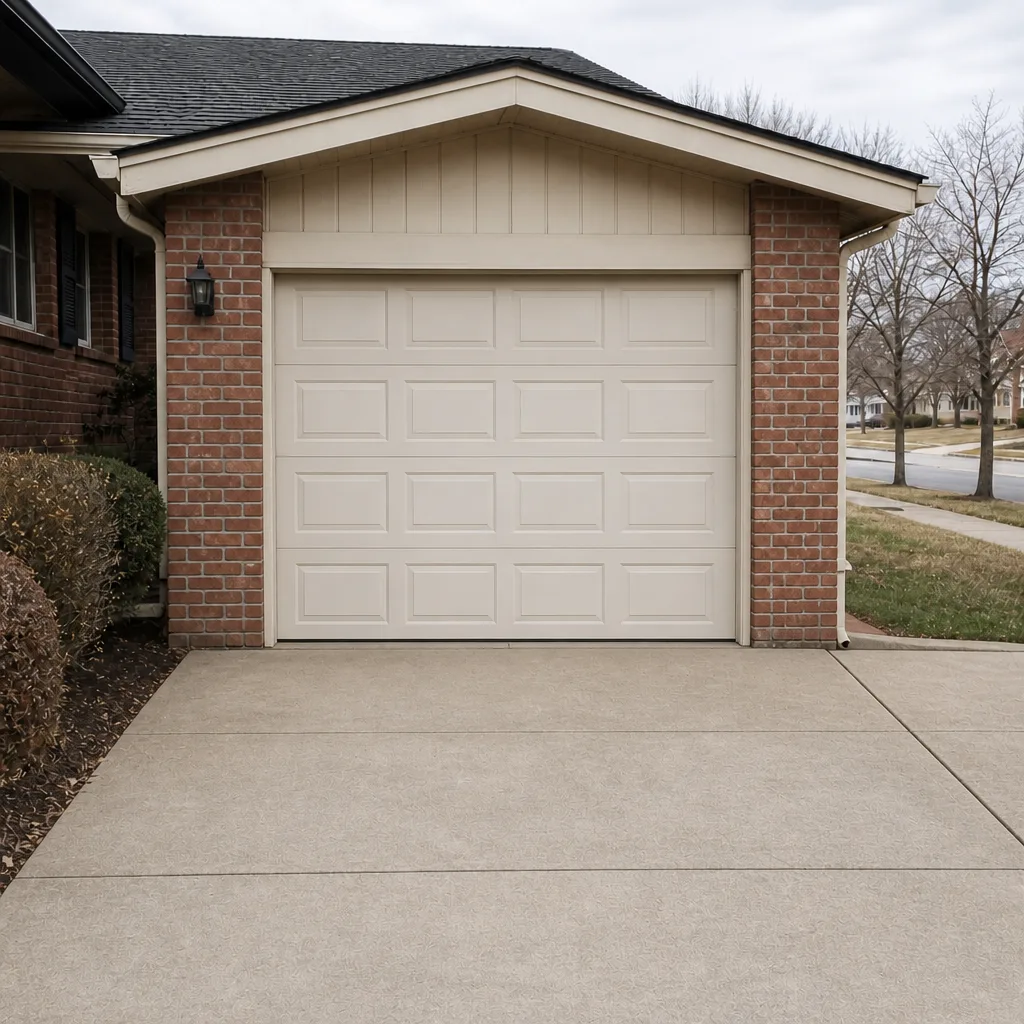 After
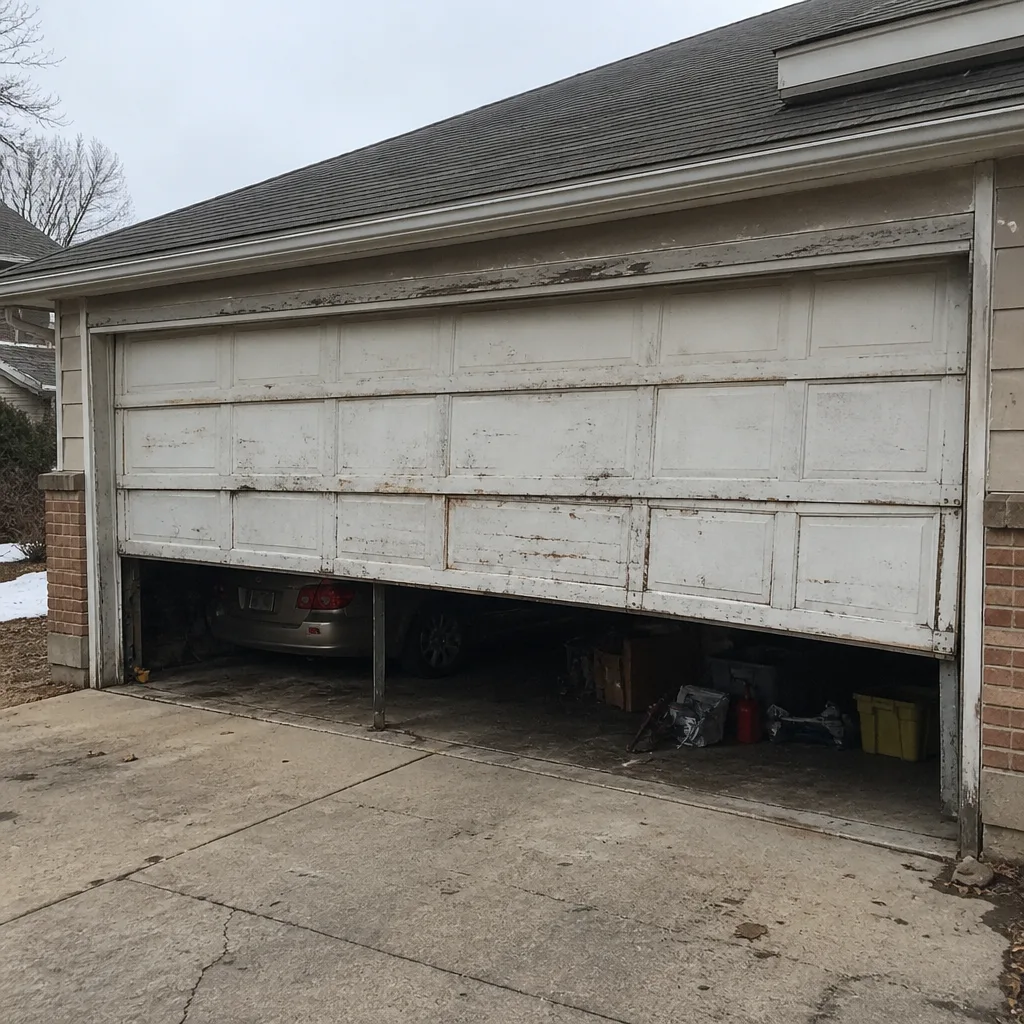 Before
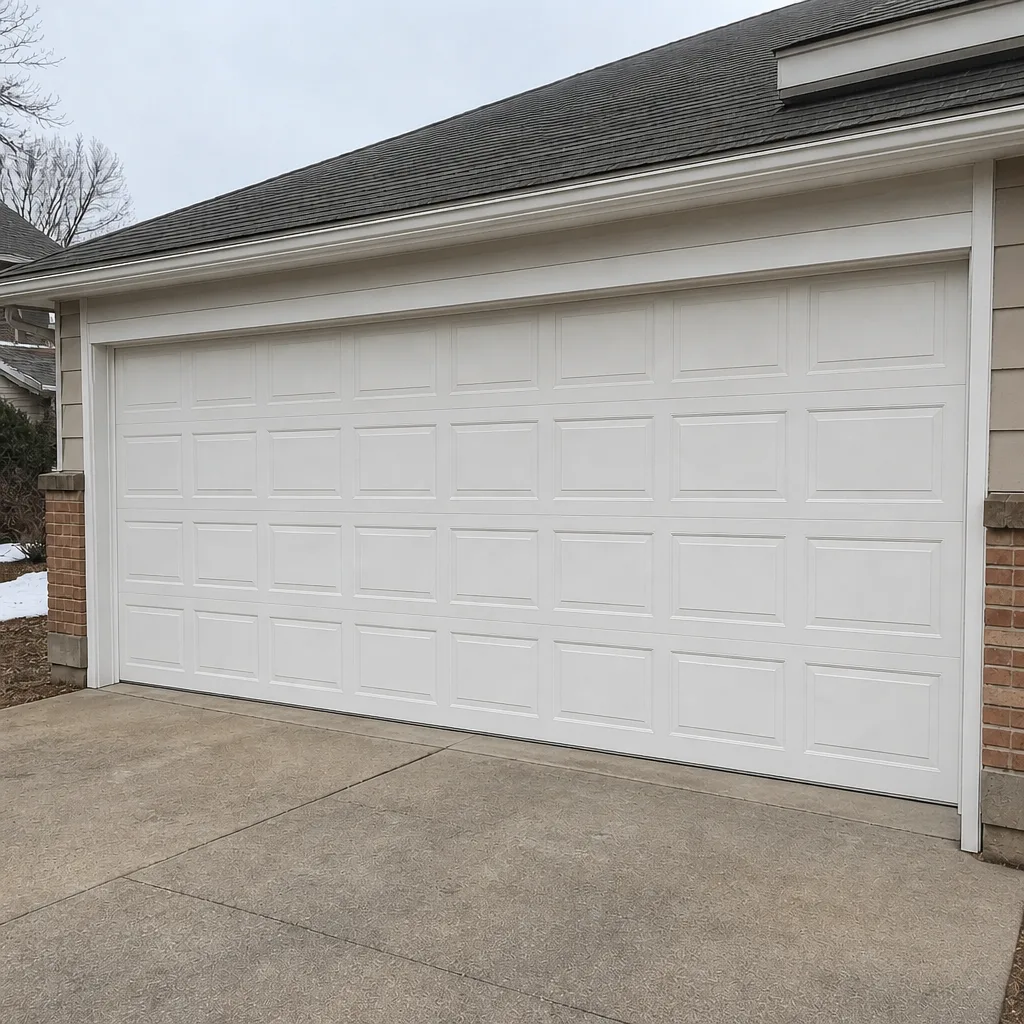 After
When to Call a Professional
Call a professional for anything involving the torsion spring, the cables, or the cable drums. Call if the door has become noticeably harder to lift, if it drifts down on its own, if you hear a sharp clank or a repetitive noise from the overhead mechanism, if the door reverses without an obstruction, or if the bottom seal has torn or detached. Call after a hard freeze if the door feels heavier than it did in the fall, and call if you’ve never had a spring recalibration on a door that’s more than five years old. University Park Garage Door Repair Pros offers free estimates in University Park – call (844) 524-3396 and we’ll give you a straight assessment of what the door needs.
Frequently Asked Questions
The two most important touchpoints are October, before the first sustained freeze, and March, after the freeze-thaw cycle peaks. October is where you prevent winter failures; March is where you catch the wear the freeze season caused. Adding a light summer check in June or July covers UV-related seal and finish issues.
Somewhere in the three to five year range is typical, with south and west-facing doors on the shorter side because of stronger UV exposure. Signs it’s time: hardening, cracks, a visible gap at the corners, or a seal that’s pulling away from the retainer. If you’re not sure, a free estimate from (844) 524-3396 will tell you quickly.
Not after every winter, but on any door more than five years old, scheduling it once is a good idea. Every subsequent year, check the balance and let a technician decide. Recalibration is not the same as spring replacement, and it’s typically a much smaller job than replacing a snapped spring.
The temperature swing causes different materials in the door assembly to expand and contract at different rates. Rubber seals lose adhesion where they meet steel, and steel set screws on the cable drums can loosen. March and April in University Park are the peak window for this, which is why that month gets its own inspection.
You can and should do lubrication, visual inspection, seal checks, safety reversal testing, and general hardware tightening yourself. Skip anything involving the torsion spring, cables, or cable drums. Those are the parts where a mistake can cause serious injury. For those, call a trained technician.
We work across the major installed brands, including LiftMaster, Chamberlain, Genie, Clopay, Amarr, Wayne Dalton, Craftsman, and Raynor. Knowing your model means we can recommend the right seal, the right opener settings, and the right replacement parts. Schedule a free estimate at (844) 524-3396 for a University Park-specific assessment. For a full look at everything the team covers, see University Park Garage Door Repair Pros.
The Bottom Line
University Park’s garage door stress isn’t a four-season problem. It’s an October-to-November problem and a March-to-April problem, with a long dry summer that quietly degrades seals and paint in between. If you do the October pre-winter protocol, pay attention to the freeze-thaw window in March and April, and keep an eye on UV damage through summer, your door will handle the year without a mid-season emergency. Spring recalibration on older doors is the single most overlooked task, and it’s worth scheduling. When something does need fixing, whether it’s a seal, an opener setting, or a spring issue, call University Park Garage Door Repair Pros at (844) 524-3396 for a free estimate and a straight answer on what the door actually needs. For the broader service overview, our garage door repair page covers how we handle diagnosis and repair once the door needs more than maintenance. For questions about spring and cable safety, our guide to garage door spring repair outlines what warrants a technician visit. For quality garage door parts guidance, see garage door parts.
Written by the team at University Park Garage Door Repair Pros.