Last updated November 22, 2026
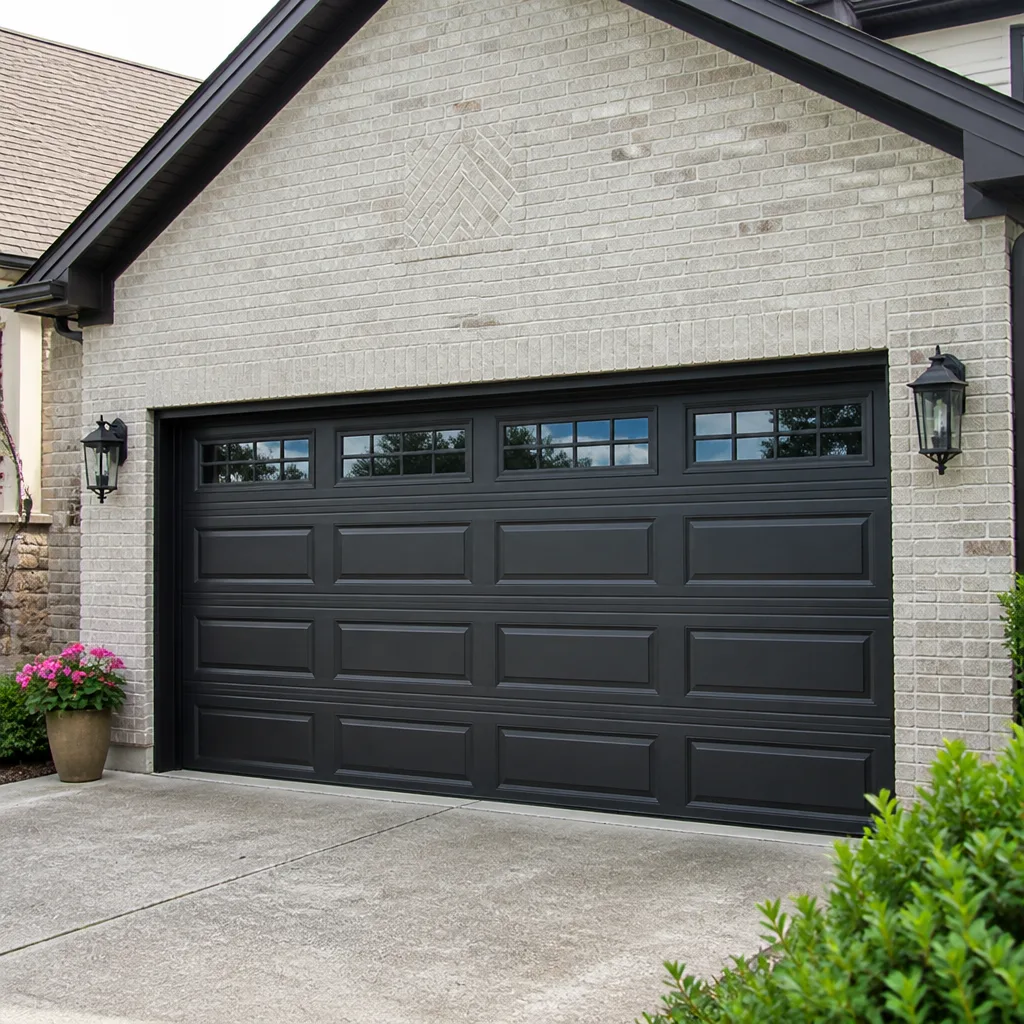 Raised-panel steel
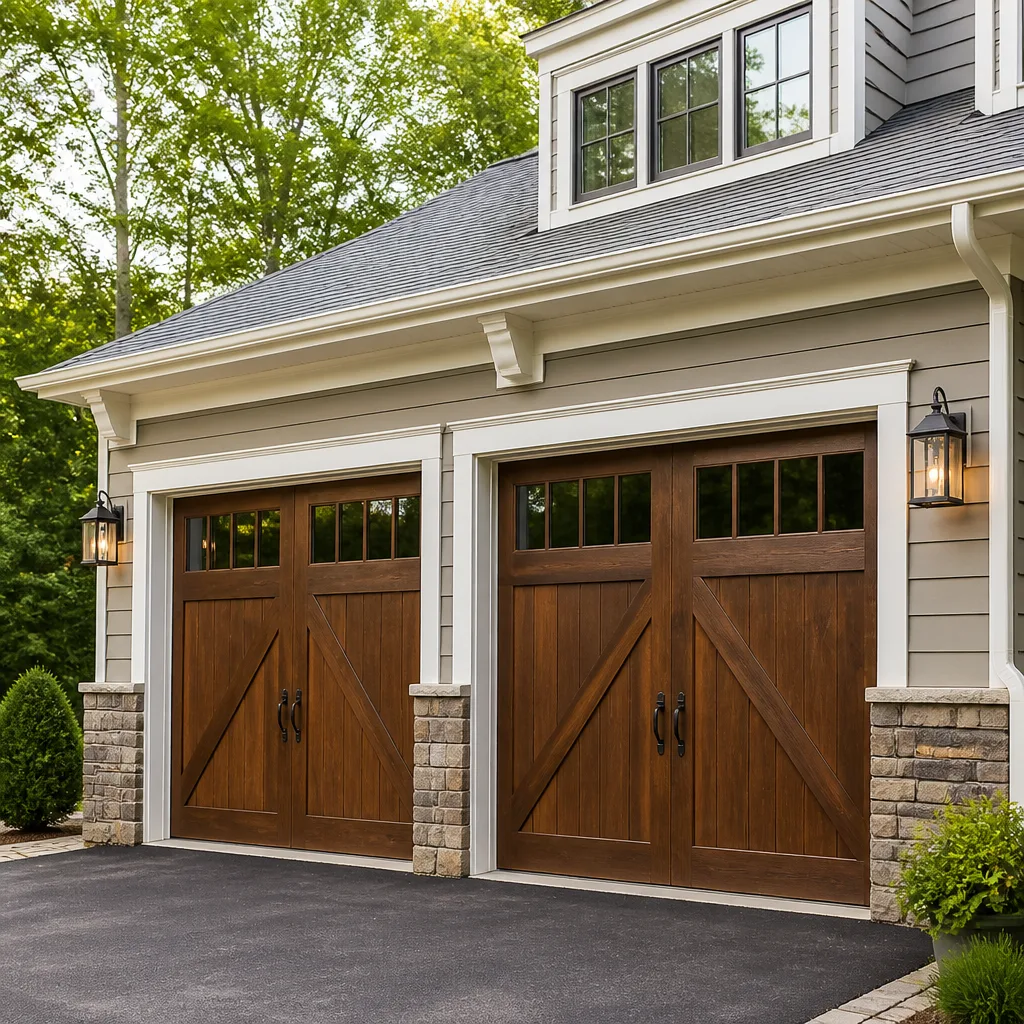 Carriage house
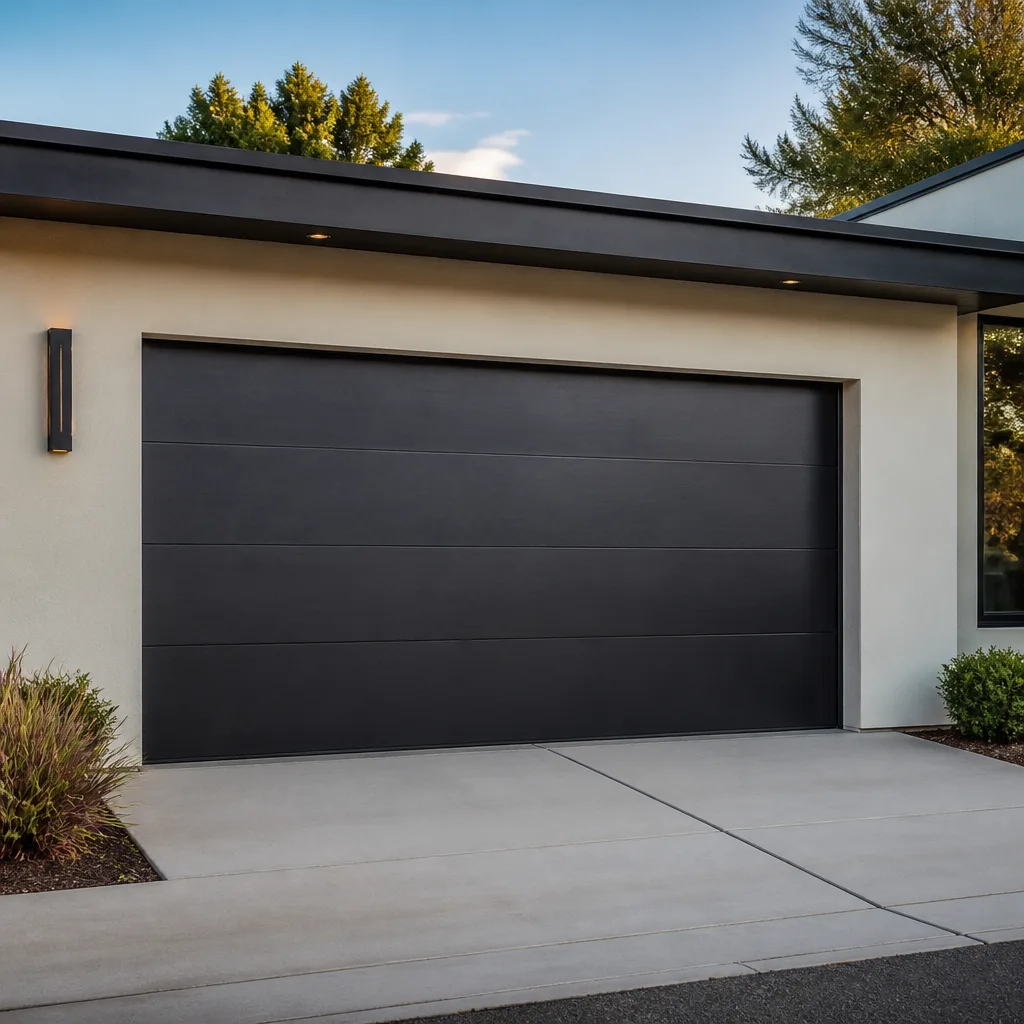 Modern flush
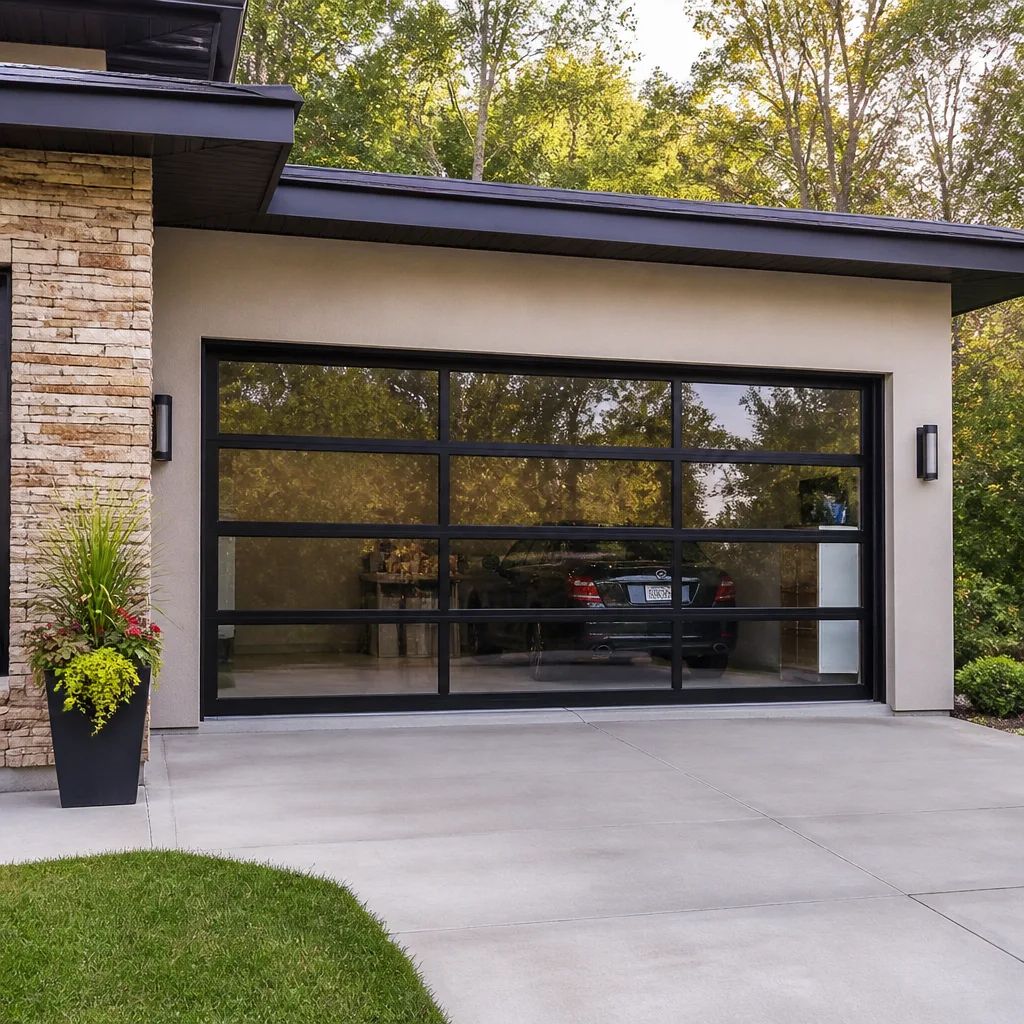 Full-view glass
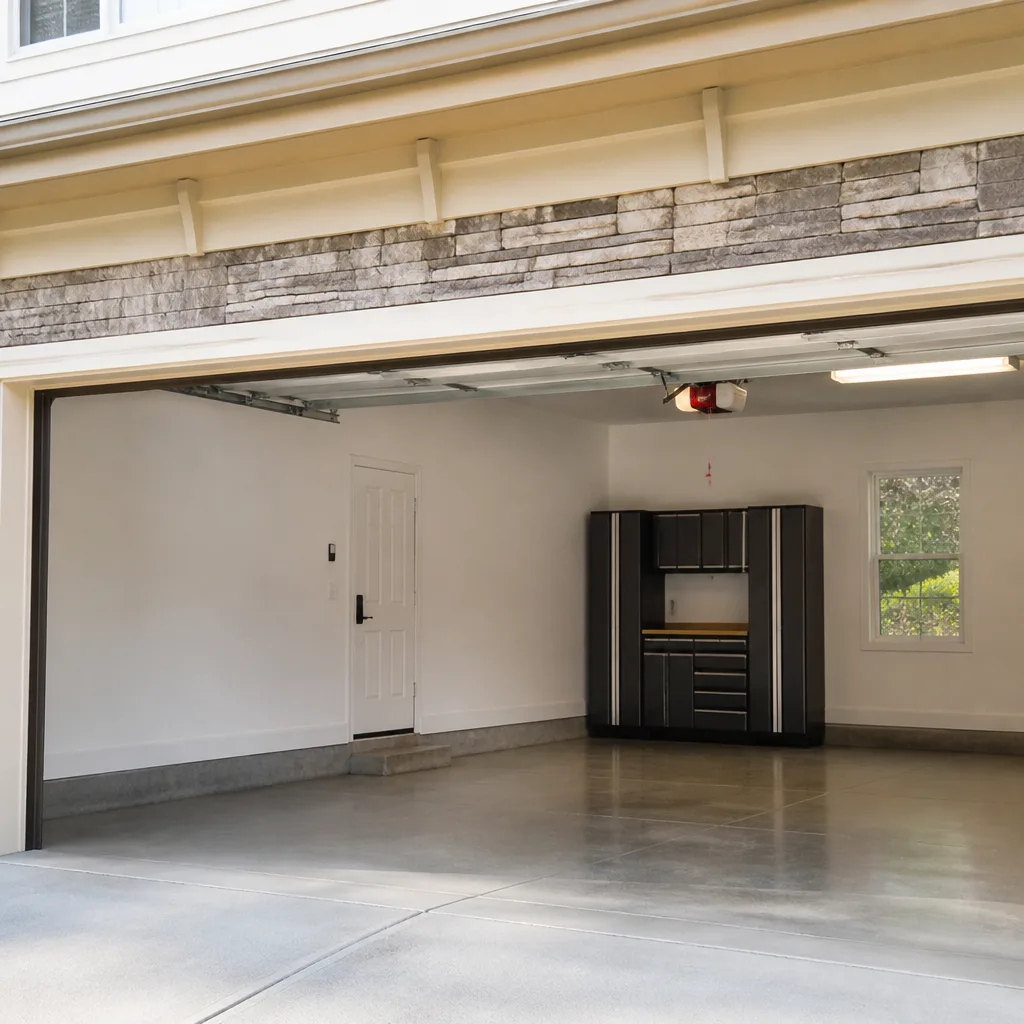 LiftMaster openers
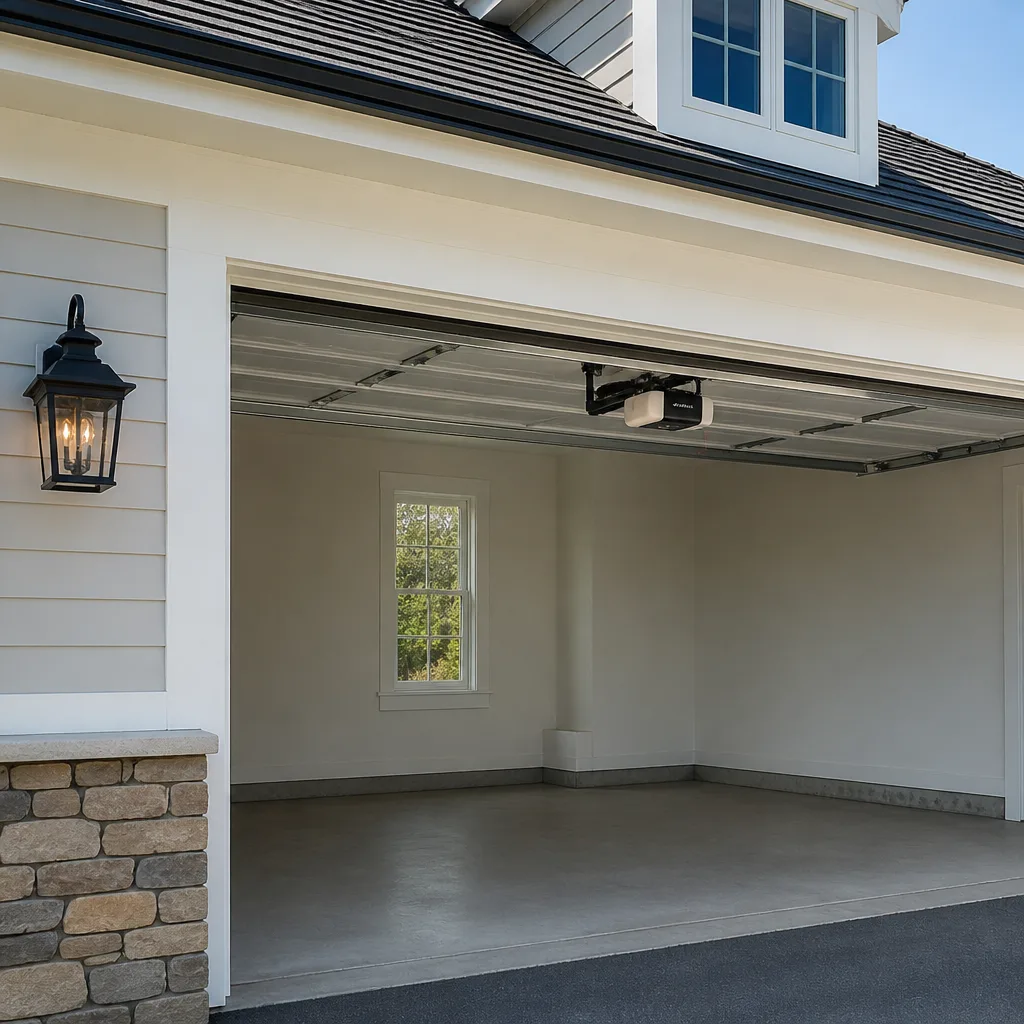 Chamberlain openers
Full 25-point door and opener safety check with every visit - springs, cables, rollers, tracks, and your LiftMaster or Chamberlain opener included
You get a price before we start. It does not change when the pro arrives.
Get your free estimateHow to Hire a Garage Door Contractor in University Park: A Step-by-Step Guide
Any contractor can tighten a bolt. The question is whether they know why that bolt was loose, and in a system with 15 interdependent components, the difference between those two answers costs hundreds of dollars. Most University Park homeowners shop for garage door help by comparing price. That’s the wrong first filter. Price tells you what a repair costs once someone has decided what’s wrong; it tells you nothing about whether that decision is correct. A technician who doesn’t know your brand’s system architecture can replace the wrong part, miss the real failure, and hand you a bill for work that didn’t solve anything. This guide teaches you how to interview a contractor before they touch your door, so the first visit is the only visit.
Quick Answer
Hire a garage door contractor in University Park by screening for three things before price: brand-specific diagnostic knowledge (can they explain how your opener’s logic board or torsion system works?), current Colorado licensing and bonding, and access to OEM parts for your specific manufacturer. Ask three diagnostic questions on the phone, request a written estimate with itemized labor and parts, and verify any claimed manufacturer training against that manufacturer’s published dealer list. A contractor who passes those checks is worth a higher quote than one who doesn’t.
Styles & brands we work with
- Raised-panel steel
- Carriage house
- Modern flush
- Full-view glass
- LiftMaster openers
- Chamberlain openers
Table of Contents
- Why the Cheapest Quote Is Rarely the Cheapest Repair
- Three Diagnostic Questions to Ask on the Phone
- What Licensing and Bonding Look Like in Colorado
- How to Read a Repair Estimate for Red Flags
- OEM Parts vs. Generic Substitutes: Why It Matters
- How to Verify Manufacturer Training Credentials
- What University Park Climate and Housing Demand From a Contractor
- Spring Work Is a Safety Job: What to Expect
- Common Mistakes to Avoid
- When to Call a Professional
- Frequently Asked Questions
Why the Cheapest Quote Is Rarely the Cheapest Repair
Garage doors fail in ways that mimic each other. A door that reverses immediately after closing looks like a sensor problem, sounds like a sensor problem, and often gets billed as a sensor problem. But the actual cause can be a binding track, a worn torsion spring that’s lost tension, or a logic board misreading limits. Replace the sensors and you’ve fixed nothing. The door still reverses, the homeowner calls someone else, and the second invoice covers both the original misdiagnosis and the real repair.
That pattern is what makes brand knowledge a cost issue rather than a comfort issue. An Amarr or Wayne Dalton door has different track geometry, hinge spacing, and panel weight than a Clopay model of similar size. An opener built by LiftMaster and one built by Genie handle force settings and travel limits differently. A technician trained across those systems narrows the diagnosis quickly because they’ve seen how each architecture fails. A generalist starts from zero on your particular door and works by substitution, swapping parts until the symptom stops.
Substitution is expensive. It’s also how you end up with a garage door in University Park that works for three weeks and then doesn’t. Here’s the mental shift that saves money: treat the diagnostic conversation as the product you’re buying. You’re not shopping for a spring or a sensor. You’re shopping for the judgment that identifies which one you need.
We work across LiftMaster, Chamberlain, Genie, Clopay, Amarr, Wayne Dalton, Craftsman, and Raynor systems, and that range exists for one reason: the diagnosis has to fit the equipment. If the contractor on the phone can’t tell you how your brand differs from another, price is the only thing you’re comparing, and price alone can’t protect you from the wrong repair.
Three Diagnostic Questions to Ask on the Phone
You can learn a lot before anyone gets in a van. These three questions take about four minutes and separate technicians who know your system from technicians who will figure it out in your driveway. Ask them exactly as written.
- “My opener is a [your brand and model]. How does its force adjustment differ from the other major brand?” A trained technician can tell you immediately how your unit sets sensitivity and travel limits. Someone who says “they’re all about the same” has just told you they don’t know your equipment.
- “My door reverses before it touches the floor. What are the three most likely causes on a door like mine?” Listen for whether the answer is specific to your setup (sensor alignment, track binding, spring tension loss, limit settings) or a generic “probably the sensors.” Naming several possible causes and how to distinguish between them is the mark of real diagnostic experience.
- “What’s your process if the part you need isn’t on hand?” The right answer describes how they’ll source the correct OEM component for your brand, not a substitute that fits “close enough.” A contractor who says every job is one visit because parts come from multiple manufacturers is telling you they’ve solved supply before it becomes your delay.
Ask one more if you want a fourth filter: “How do you handle a broken torsion spring?” The answer should include safety. Any technician who treats a snapped spring as a quick swap is either inexperienced or reckless. It’s a stored-energy component under significant load, and the job demands the right winding bars, the right technique, and a real respect for what happens if a spring lets go.
A contractor who answers these three cleanly on the phone is a reasonable bet. One who deflects, guesses, or promises a price before seeing the door is telling you what the repair will feel like.
What Licensing and Bonding Look Like in Colorado
Colorado doesn’t license garage door contractors under a single statewide trade license the way some states do for electricians or plumbers. That fact trips up homeowners who assume a general contractor license covers the work. It doesn’t, or at least it isn’t sufficient on its own. Local requirements vary, and the name on the van is not a credential.
What you should actually confirm before work begins:
- Business registration. The company should be registered to do business in Colorado. Ask for the legal business name and check it against state records.
- General liability insurance. Request a certificate of insurance and confirm it’s current. A garage door is heavy and the work happens near glass, vehicles, and people.
- Worker’s compensation coverage. If someone is injured on your property and the company doesn’t carry it, the exposure can land on you.
- Local permit requirements. Whether a new door installation needs a permit depends on your city and the scope of work. Ask the contractor to confirm with the city’s building department rather than assuming.
Bonding is separate from insurance. A surety bond protects you if the contractor fails to complete the work or violates terms, and reputable companies carry one. Ask. A contractor who can’t produce a certificate or bond document on request has given you your answer.
In our view, the licensing conversation is less about paperwork and more about willingness. A company that hands over documents without friction is a company that expects to be checked. In University Park, where a lot of homes have original or older equipment, that expectation matters, because older systems are where corners get cut most often.
How to Read a Repair Estimate for Red Flags
An estimate is a short document with a lot of information in it, if you know where to look. Vague line items are the most common problem. “Repair garage door – $450” tells you nothing about what’s being replaced, what brand part is going in, or how much of that figure is labor. You want parts and labor broken out separately, with manufacturer and part description named.
Watch for these patterns:
- “While we’re in there” upsells. A technician finds a worn roller and suddenly the estimate includes a full hardware replacement. Sometimes that’s legitimate; often it’s padding. Ask for each added item to be justified on its own.
- No labor breakdown. A single lump sum makes it impossible to judge whether the price is reasonable for the work described.
- Generic parts language. “Replacement spring” without a size, wire gauge, or cycle rating is a red flag on a torsion system. The specification matters.
- Pressure to decide today. Urgency that isn’t tied to an actual safety issue is a sales tactic. Genuine emergencies involve a door stuck open or a broken spring on a door in use, and those get explained, not sprung on you.
- No written estimate at all. Verbal-only pricing leaves you with no reference point when the invoice arrives.
The price should be quoted and agreed before any work starts. That’s not a favor; it’s the baseline. If a contractor resists putting numbers on paper, that’s the estimate telling you something.
A good estimate also tells you what isn’t wrong. When a technician diagnoses a single failed component and writes up that repair alone, that restraint is information. It means they’re fixing your door, not rebuilding it. Our garage door repair visits are scoped to the actual failure, and the written price is what you pay.
OEM Parts vs. Generic Substitutes: Why It Matters
OEM means original equipment manufacturer: the part is made by or for the company that built your door or opener. A generic substitute may fit physically and fail functionally. On a torsion spring, the difference between the right wire gauge and a close-enough one shows up as a door that’s out of balance within months. On an opener gear or logic board, a substitute can work briefly and then cause travel or force problems the original never had.
The warranty angle is the part homeowners miss. Many manufacturer warranties are conditioned on genuine replacement parts. Install a generic gear set in a LiftMaster or Chamberlain unit and you may have voided coverage on the components around it. The same logic applies to a Raynor or Amarr door where the manufacturer specifies particular hardware.
How do you check? Ask two questions: “Is this part OEM?” and “Which manufacturer is it from?” A contractor who stocks or sources across multiple brands can answer both without a pause. A single-brand operation may only have access to one supply chain, and a generalist may reach for whatever fits.
This is where parts availability becomes a real-world advantage. When a technician can pull the right component for an Amarr, Wayne Dalton, or Craftsman system from a broader supply, the repair happens on the first visit. When they can’t, you get a follow-up appointment and a door held together in the meantime. Right part, right visit is a hiring criterion, not a slogan. If you’re weighing a repair against replacement, our guide to garage door installation covers when a new door genuinely makes more sense than chasing parts on an old one.
How to Verify Manufacturer Training Credentials
Manufacturer training is verifiable, which is what makes it useful. Clopay, LiftMaster, Wayne Dalton, and other major brands publish authorized dealer and installer lists. If a contractor tells you they’re trained or authorized on your brand, you can check that claim against the manufacturer’s own published information. It takes a few minutes and it’s the single most reliable screen in this guide.
Here’s how to run the check:
- Note the exact brand and model of your door and opener. The label is usually on the opener motor housing and on the door’s end stile or bottom bracket.
- Ask the contractor directly which manufacturers they’re trained on and whether they appear on those manufacturers’ authorized lists.
- Verify against the manufacturer’s website or by calling the manufacturer’s customer line. Legitimate listings exist and are searchable.
- Ask what the training covered. Installation, service, or both? A company that does full-spectrum work should be able to describe both sides.
Training claims that can’t be verified aren’t necessarily dishonest, but they’re unproven, and you’re the one absorbing the risk. Our technicians are trained on 8 of the most widely installed garage door and opener brands in the country, which means the odds are good that your equipment is one we know by architecture rather than by guesswork.
For University Park homeowners with older homes, the opener question is worth extra attention. Legacy systems from Craftsman and older Genie models don’t behave like current smart-home units. A technician who only knows new equipment will struggle with an older opener, and that struggle comes out of your wallet. Ask specifically whether they work on legacy openers. If the answer is only new installations, keep calling. Our garage door opener repair work covers both current and older systems for exactly this reason.
What University Park Climate and Housing Demand From a Contractor
University Park sits at elevation along Colorado’s Front Range, and the garage door here lives a harder life than the same door in a mild climate. The temperature swing between a summer afternoon and a winter night is large, and that swing works on metal. Steel panels expand and contract. Tracks move. Springs cycle through tension changes that a stable climate never produces. A technician who works in University Park regularly knows what that cycling does to specific hardware and can tell you whether a component is failing from wear or from thermal movement.
The housing stock adds a second layer. University Park has a mix of older homes and newer construction, and the garage doors reflect it. Older doors may run on extension springs or older torsion setups with hardware that’s been adjusted many times. Newer homes often have tighter clearances and smart openers with more electronics to diagnose. A contractor needs to be comfortable on both, and that’s a fair question to ask: “Do you work on older doors as well as new smart systems?”
There’s also the practical matter of what a door failure means here. In a neighborhood where the garage is often the main entry, a door that won’t open is a daily disruption. That’s why diagnosis speed and parts availability matter more than a slightly lower hourly rate. A one-visit repair on a Tuesday is worth more than a three-visit repair that saved you a few dollars on the first invoice.
And it’s worth knowing our own schedule before you need it: we’re closed on Saturdays. We’re open Sunday through Friday, 7am to 7pm, so a door that fails midweek gets attention the same week. Plan the screening call for a weekday and you’ll have the contractor vetted before anything goes wrong.
Spring Work Is a Safety Job: What to Expect
A garage door spring stores enough energy to cause serious injury, and that’s not an exaggeration for effect. Torsion springs are wound under load; extension springs are under tension along the track. When either fails, it releases that energy instantly. This is why spring repair is a specialized service and why any contractor who treats it casually should be disqualified on the spot.
What proper spring work looks like from the homeowner’s side:
- The technician identifies the spring type and size before quoting, because a torsion spring is specified by wire gauge, inside diameter, and length.
- They ask about the door’s weight and balance, since a spring is matched to the door, not chosen generically.
- They explain that springs are usually replaced as a matched pair when both are the same age, since a new spring against a worn one puts uneven load on the system.
- They check the door’s balance and travel after replacement, because a correctly sized spring should hold the door at mid-height without drift.
We won’t walk you through doing this yourself, and no responsible contractor will either. The tools alone (winding bars sized to the spring) aren’t something a homeowner should improvise. What you can do is recognize when a spring is the problem: a loud bang from the garage, a door that feels extremely heavy when lifted manually (do this carefully, if at all), or a door that opens a few inches and stops. Any of those means stop operating the door and call a professional.
Safety caveats are part of a real expert’s job. If a contractor waves off the risk or suggests a homeowner can handle it, you’ve learned everything you need to know about their standards. Our garage door repair team treats spring work as the high-risk job it is, and we quote it before we start so the price and the plan are both clear.
Common Mistakes to Avoid
- Hiring on price alone. The lowest quote often reflects a technician who’ll diagnose by substitution. That’s how a simple fix becomes two invoices and a replacement recommendation you didn’t need.
- Skipping the phone screen. Three questions take four minutes. Skipping them means you learn whether the contractor knows your brand after they’re already in your garage, when it’s too late to change course cheaply.
- Accepting a verbal estimate. Without a written breakdown of parts and labor, you have no way to judge the invoice. Get it in writing, with the brand and part specified.
- Not verifying manufacturer claims. Authorized dealer lists are published by Clopay, LiftMaster, Wayne Dalton, and others. Checking takes minutes and it’s the most reliable way to confirm training claims.
- Assuming a general contractor license covers garage door work. In Colorado, trade licensing and local requirements vary, and the name on the van isn’t a credential. Ask for insurance, bonding, and business registration directly.
- Letting a spring fail twice. Replacing one spring of a matched pair leaves the older one carrying more load. Ask whether the pair is being replaced together and why.
- Ignoring what the climate does to hardware. In University Park, thermal cycling from Front Range temperature swings accelerates wear on tracks and springs. Regular visual checks (rollers, cables, spring appearance) catch problems before they become failures.
One more: don’t wait for a complete failure to start screening contractors. The best time to interview a garage door contractor is when nothing is broken, because that’s when you can compare answers calmly instead of accepting the first available technician.
When to Call a Professional
Some issues are genuinely do-it-yourself territory: a remote that needs reprogramming, a sensor eye that’s been knocked out of alignment, or a track that’s accumulated debris. Everything else, call a professional. A door that reverses without touching the floor, a loud bang followed by a door that won’t lift, a door that opens unevenly or binds partway up, a cable that’s frayed or hanging loose, or an opener that runs but doesn’t move the door – each of these points to a component under load or an electrical fault that needs proper diagnosis.
Also call if the door has been adjusted several times and still drifts. Repeated adjustments usually mean the underlying component is failing, and continuing to adjust it masks the real problem. In University Park, where temperature swings work on metal year-round, a door that needs retuning every few months is telling you something.
University Park Garage Door Repair Pros offers free estimates in University Park – call (844) 524-3396. Our technicians have up to 11 years of experience, and the price is quoted and agreed before any work starts. If you’re not sure whether your issue warrants a visit, call and describe it; the phone conversation is free and often settles the question.
Frequently Asked Questions
Most garage door repairs in University Park fall in the $150 to $400 range depending on the component, and spring replacement typically runs $180 to $340 per spring, with a matched pair costing about twice that. Opener repairs commonly land between $120 and $300, and new-door installation is a separate, measured quote. The written estimate sets the final price, and we quote it before any work starts. Call (844) 524-3396 for an exact quote; estimates are free.
For repair calls, same-day service is often available, and we’re open Sunday through Friday from 7am to 7pm. We’re closed on Saturdays, so a door that fails on Saturday gets booked for Sunday. Call (844) 524-3396 and describe what the door is doing; we’ll tell you what’s realistic rather than promising a window we can’t hold.
No. The price is quoted and agreed before any work starts, and the written estimate you approve is what you pay. If the diagnosis changes once the door is opened up, that’s a conversation before anything else gets done, not an invoice after. Call (844) 524-3396 for an exact quote; estimates are free.
The local professionals we connect you with are licensed and insured as their state and local requirements demand, and we can confirm current documentation before work begins. Colorado doesn’t issue a single statewide garage door trade license, so ask for business registration, general liability insurance, and bonding directly. Call (844) 524-3396 and we’ll walk you through what’s on file.
We work across 8 of the most widely installed brands in the country, including LiftMaster, Chamberlain, Genie, Clopay, Amarr, Wayne Dalton, Craftsman, and Raynor. That covers most University Park homes, old and new. Call (844) 524-3396 with your model number and we’ll confirm before scheduling.
Repair usually wins when the door’s panels, tracks, and structure are sound and a single component has failed. Replacement makes more sense when panels are dented or rusted through, the door is out of balance repeatedly, or repeated repairs are adding up against the cost of a new door. A written estimate for both paths is the honest way to decide. Call (844) 524-3396 for a free estimate.
The Bottom Line
Hiring a garage door contractor in University Park comes down to screening before you spend. Ask the three diagnostic questions and listen for brand-specific answers, not generic reassurance. Verify licensing, insurance, and bonding directly, because Colorado’s licensing picture makes assumptions risky. Read the estimate for itemized parts and labor, and confirm the parts are OEM for your manufacturer. Check training claims against the manufacturer’s published lists. And treat spring work as the safety job it is. The contractor who passes those checks costs a little more up front and almost always costs less overall, because the diagnosis is right the first time.
University Park Garage Door Repair Pros works on your brand, diagnoses rather than guesses, and quotes the price before any work starts. Our technicians have up to 11 years of experience across LiftMaster, Chamberlain, Genie, Clopay, Amarr, Wayne Dalton, Craftsman, and Raynor systems. Whether you need garage door opener repair, a full replacement, or hard-to-find parts, we’re a single point of contact for the life of your door. Call (844) 524-3396 for a free estimate, or start with our garage door repair and garage door installation pages to see how we scope the work. For everything else, visit University Park Garage Door Repair Pros and tell us what your door is doing.
Written by the team at University Park Garage Door Repair Pros.
See the difference
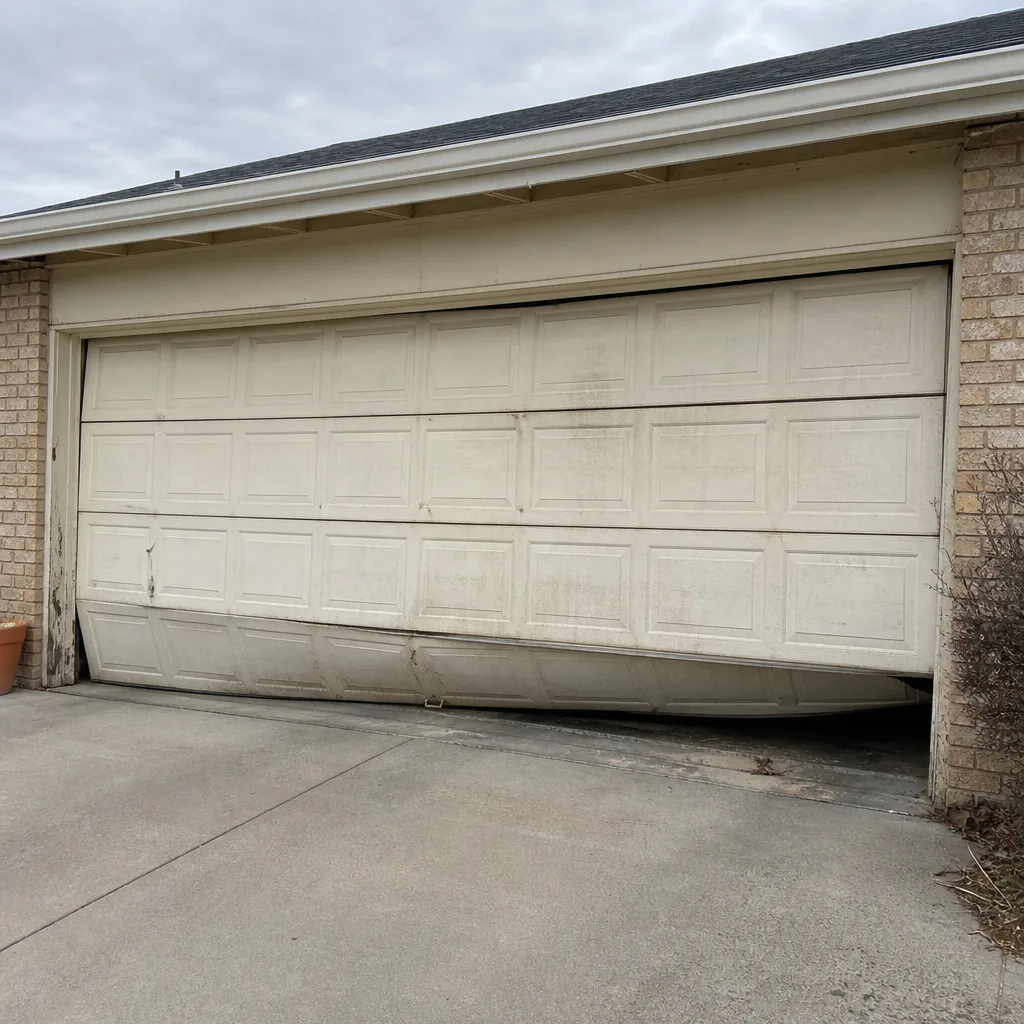 Before
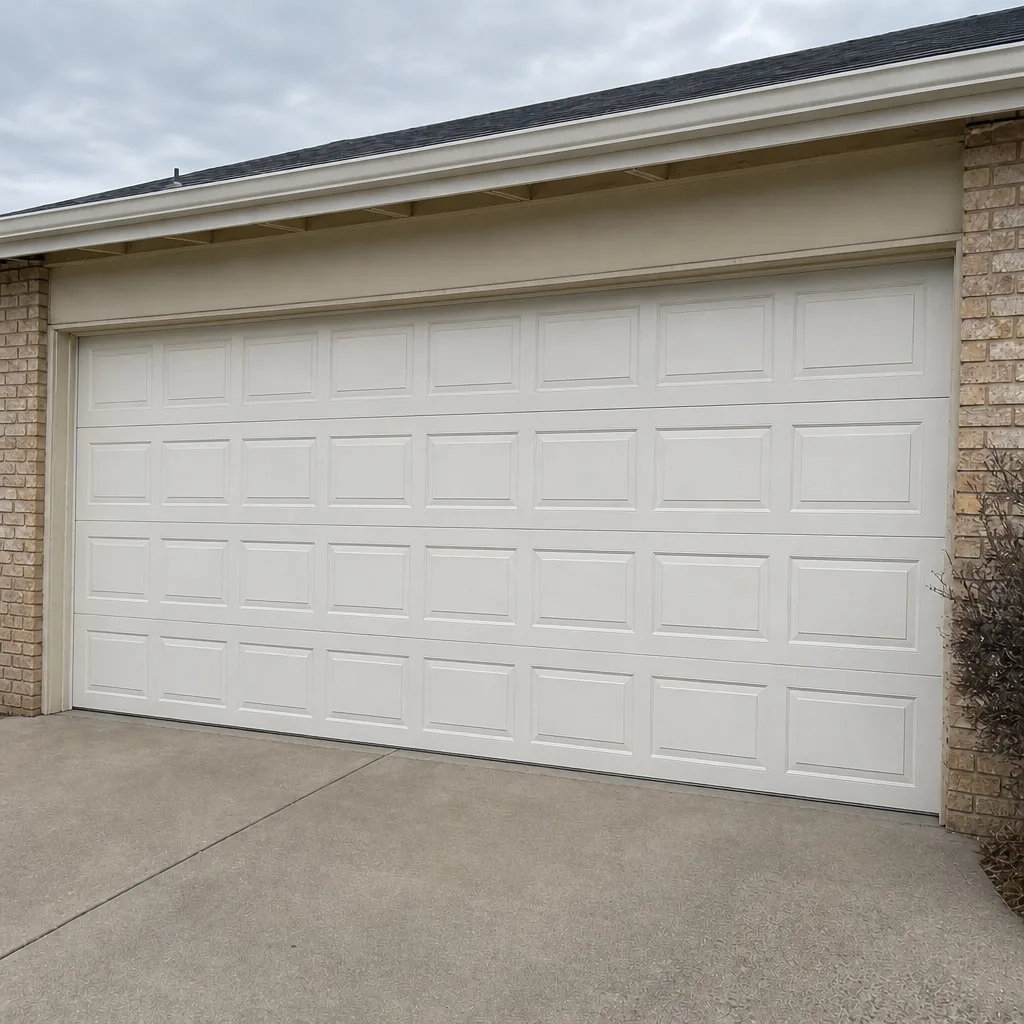 After
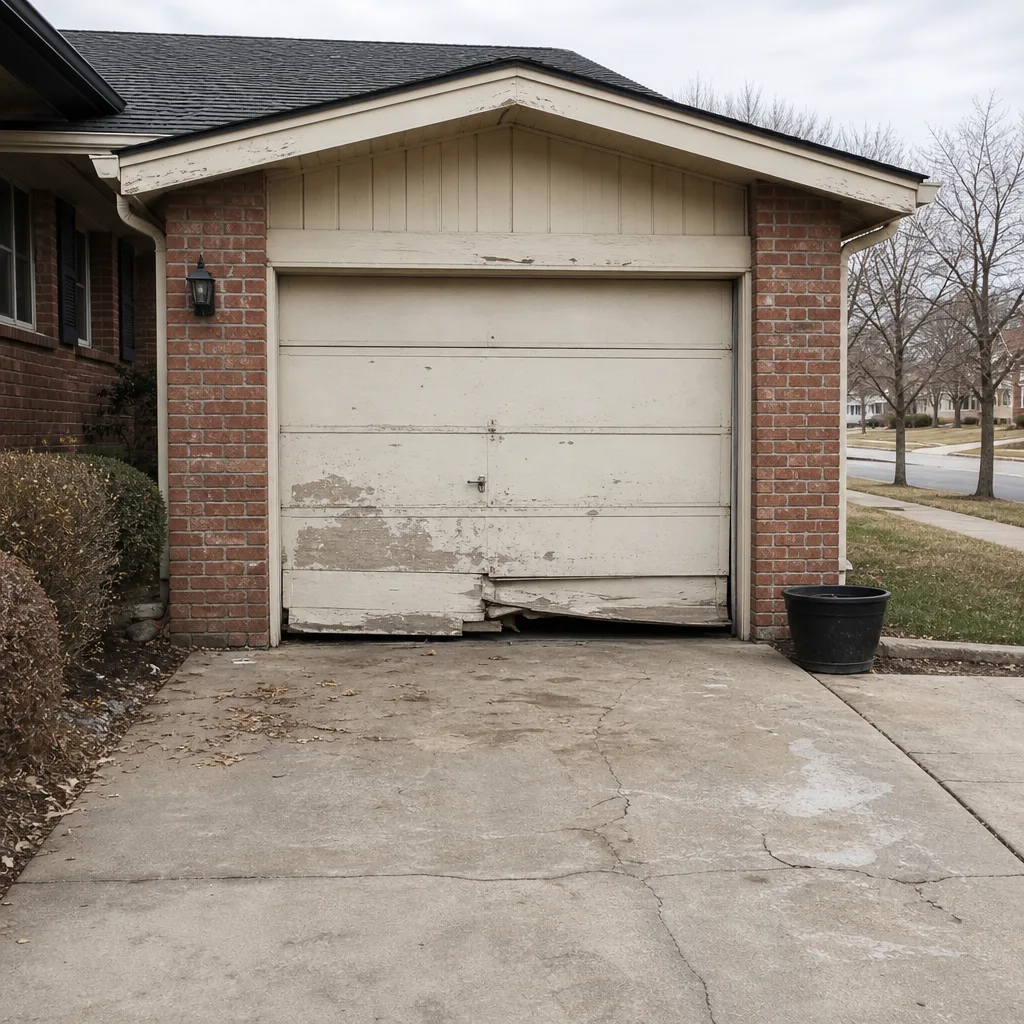 Before
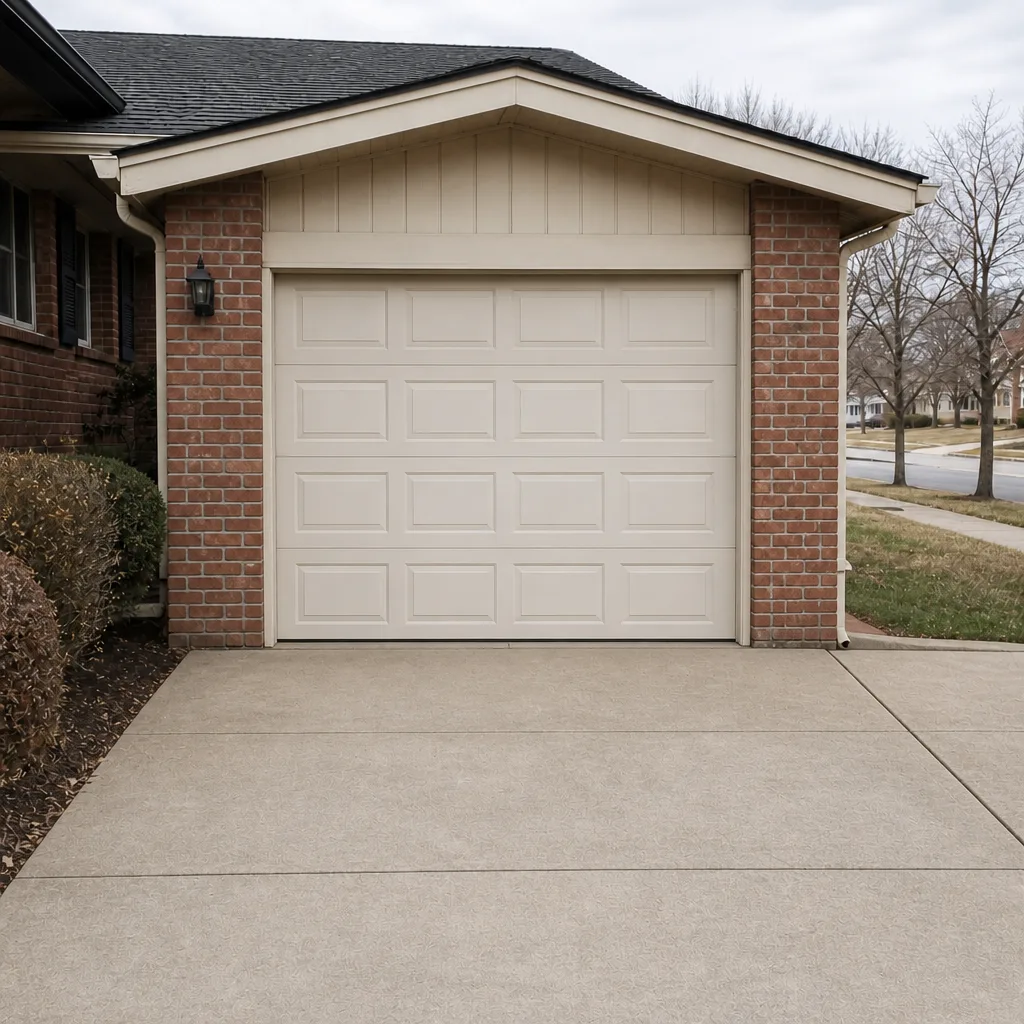 After
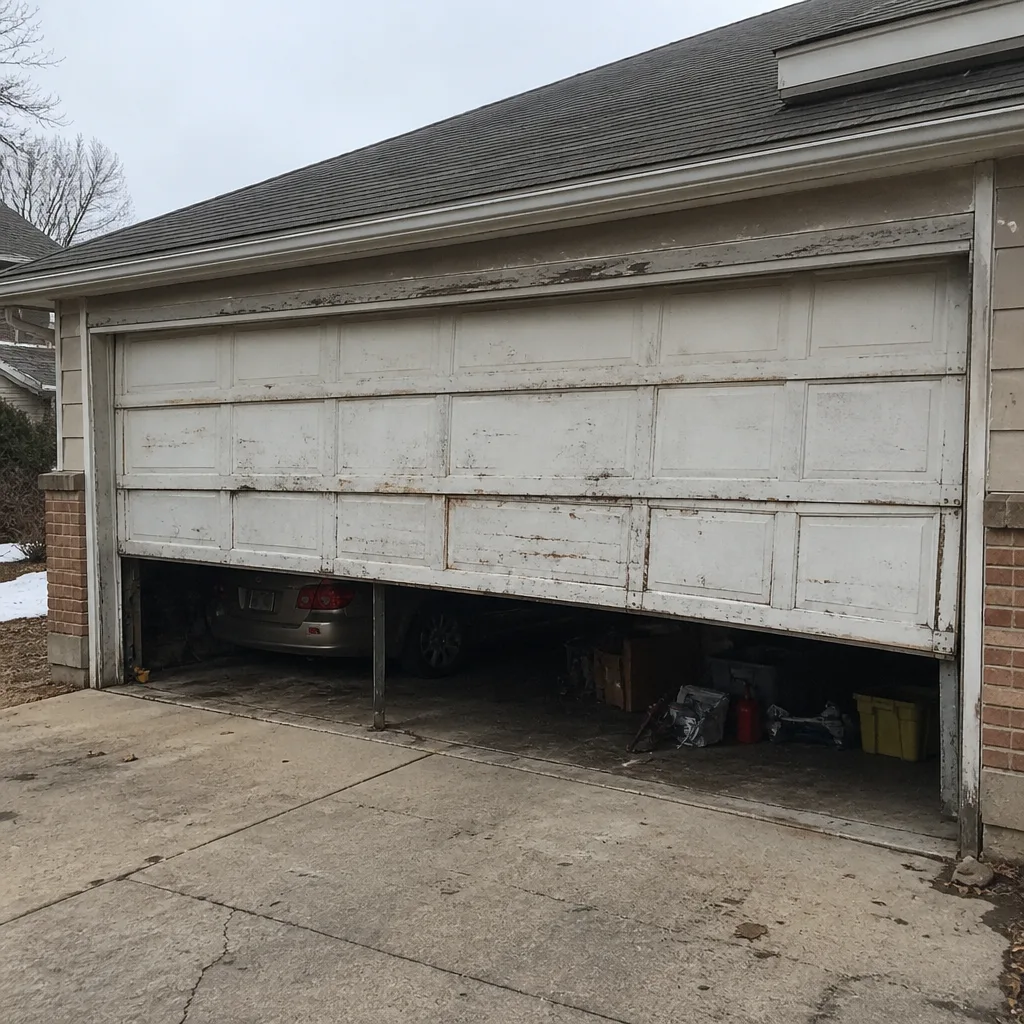 Before
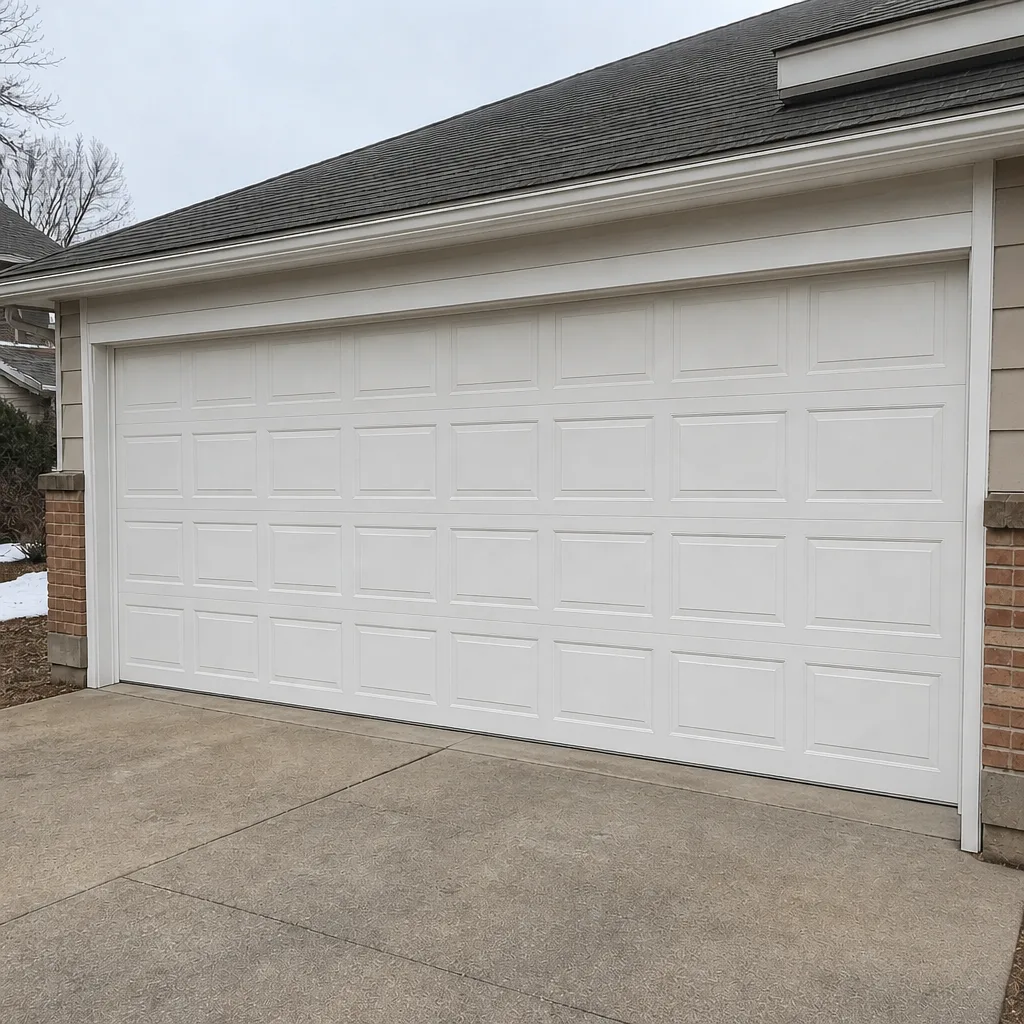 After